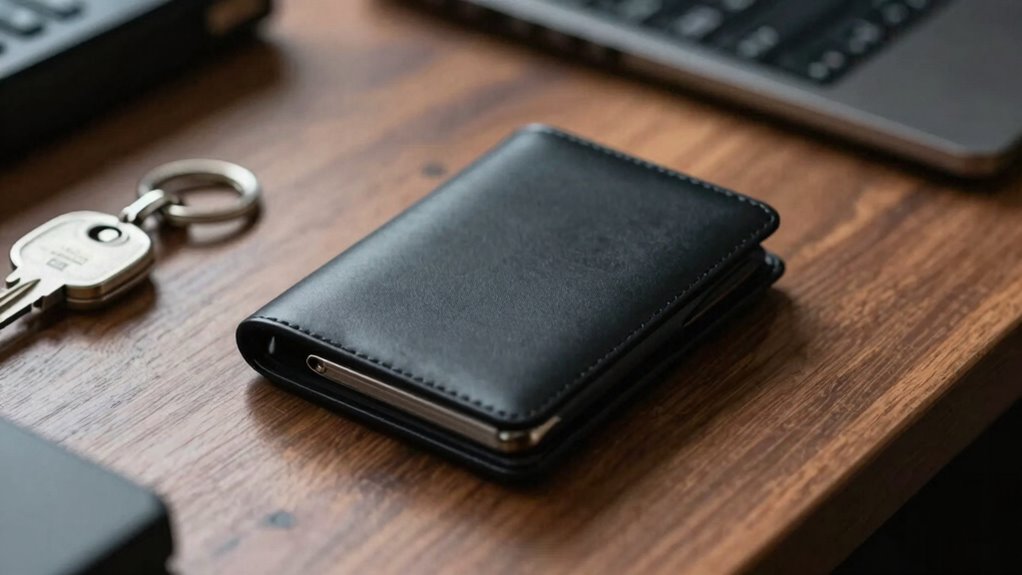

An air-gapped wallet keeps your private keys completely offline, meaning it never connects to the internet, drastically reducing hacking risks. You generate keys on a secure, offline device and transfer transaction data through physical methods like USB or QR codes, not online channels. This physical and digital separation creates a strong barrier against malware and remote attacks. If you want to understand how this setup provides maximum security and manages operational challenges, keep exploring how these wallets work in practice.

Get smart everyday buys delivered free with Prime
- Fast, free delivery on millions of items
- Prime Video, Amazon Music and more included
- Member-only deals all year
Key Takeaways
- Private keys are generated and stored entirely offline, isolated from internet-connected devices.
- Transactions are created offline and transferred securely via USB or QR codes before broadcasting.
- Air-gapped wallets eliminate exposure to malware, phishing, and remote hacking vectors.
- Physical security measures, like tamper-proof hardware, safeguard the offline storage environment.
- The operational process involves careful manual transfer procedures, making it more secure but more cumbersome.
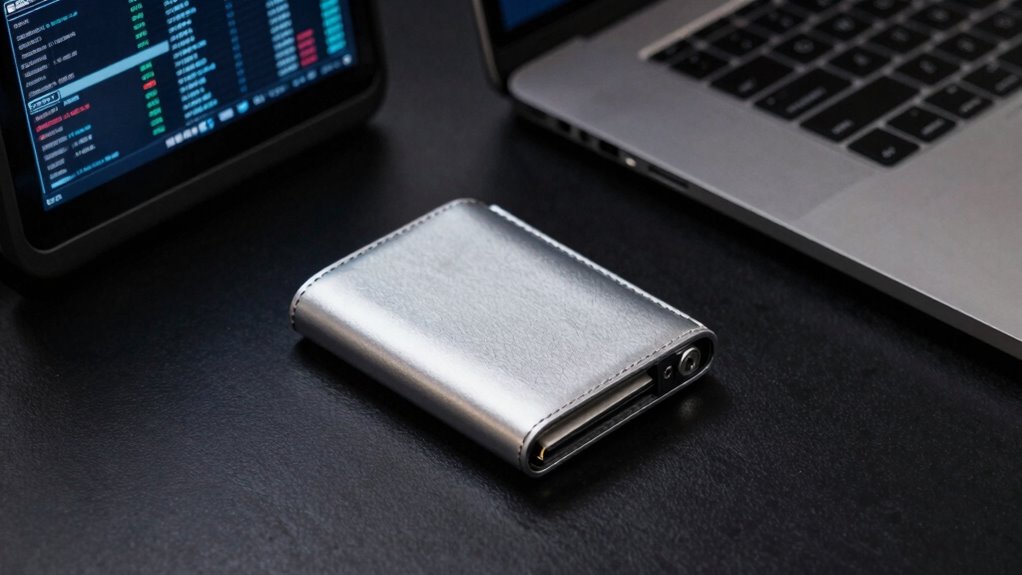
Air-Gapped wallets stand out in the world of cryptocurrency security because they isolate private keys from internet-connected devices, reducing the risk of hacking. Unlike online wallets or software-based options, these wallets operate entirely offline, making them a form of cold storage that’s exceptionally secure. When you use an air-gapped wallet, you’re relying on hardware security to keep your digital assets safe. The core idea is simple: by keeping your private keys completely disconnected from the internet, you eliminate the primary vectors hackers exploit—malware, phishing, and remote attacks. This physical separation ensures that your crypto holdings are protected even if your computer or network is compromised.
In practice, an air-gapped wallet often involves a hardware device designed explicitly for secure storage. You generate your private keys on a device that never touches the internet, often in a secure environment like a dedicated hardware wallet or a specialized offline computer. When you need to move funds, you create a transaction offline, then transfer the signed data via a secure method—such as a USB drive or QR code—to an internet-connected device for broadcasting. This process enhances hardware security because it minimizes exposure; your private keys never leave the secure offline environment, drastically reducing the chance of theft or exposure. Additionally, understanding the importance of hardware security can significantly improve your overall crypto safety practices. The use of tamper-proof features in hardware wallets further guards against physical tampering.
Because of this strict separation, air-gapped wallets demand careful handling. You must guarantee that the hardware used for cold storage remains uncompromised. Physical security becomes paramount—if someone gains access to your hardware or intercepts your transfer methods, they might compromise your keys. That’s why many users choose hardware security modules designed for this purpose, often with tamper-proof features and encrypted storage. The additional layer of physical security makes these wallets not just a digital safeguard but a thorough security solution. Furthermore, understanding the role of physical security is essential for maintaining the integrity of your crypto assets.
Using an air-gapped wallet requires a disciplined approach. You generate and store your private keys offline, then perform transactions by securely transferring data between devices. This process might seem cumbersome compared to online wallets, but it’s a trade-off you make for maximum security. Fundamentally, you’re creating a robust barrier—physical, hardware-based, and offline—that keeps your cryptocurrency safe from virtually all external threats. As technology advances, the integration of secure transfer methods further enhances the safety of offline transactions. Employing multi-factor authentication can also add an extra layer of protection during transfer processes. This meticulous approach to cold storage and hardware security makes air-gapped wallets stand apart as one of the most secure options for safeguarding your digital assets in practice.
hardware wallet for crypto security
As an affiliate, we earn on qualifying purchases.
As an affiliate, we earn on qualifying purchases.
Frequently Asked Questions
Can an Air-Gapped Wallet Be Hacked Remotely?
No, an air-gapped wallet can’t be hacked remotely because of its network isolation, which prevents direct internet access. However, you still need to guarantee physical security, as someone could potentially access your device physically or use compromised transfer methods like infected USB drives. While remote hacking is highly unlikely, maintaining strict physical security and avoiding insecure transfer methods are vital to protect your assets.
What Are the Main Risks of Using an Air-Gapped Wallet?
The main risks of using an air-gapped wallet involve offline security and physical access. If someone gains physical access to your device, they could potentially steal your private keys or install malicious hardware or software. While offline security protects you from remote hacking, you must also safeguard against theft, loss, or damage to your hardware wallet. Proper storage and strict access controls are essential to minimize these risks.
How Often Should I Update My Air-Gapped Wallet’s Software?
Think of your air-gapped wallet’s software as a fortress that needs regular strengthening. You should update its firmware whenever security patches roll out—usually every few months—to keep hardware security tight. Skipping updates leaves vulnerabilities like cracks in your defenses. Stay vigilant and proactive, ensuring your wallet’s firmware stays fresh and resilient, protecting your assets from evolving threats while maintaining a secure, air-gapped barrier.
Is It Possible to Accidentally Expose My Private Keys?
Yes, it’s possible to accidentally expose your private keys if you’re not careful. You should prioritize physical security by handling your wallet in a secure environment and avoid exposing it to potential threats. Implement backup strategies like securely storing seed phrases offline. Always double-check that your private keys aren’t visible during transfers or when connecting devices, and keep your hardware and backup copies protected from theft or damage.
What Are the Best Practices for Setting up an Air-Gapped Wallet?
To set up an air-gapped wallet securely, start by preparing a dedicated offline device for secure offline storage, ensuring it never connects to the internet during setup. Use a hardware wallet compatible with your chosen software, and generate your private keys in a completely offline environment. Always verify transactions on your offline device, and store backup seed phrases securely. This minimizes risks, keeping your assets safe from online threats.
As an affiliate, we earn on qualifying purchases.
Conclusion
In the end, air-gapped wallets offer a unique blend of security and peace of mind. By keeping your private keys completely offline, you dramatically reduce hacking risks—up to 99% compared to online wallets. This hands-off approach might seem complex, but it’s worth it for the added protection. If safeguarding your crypto assets is a priority, embracing an air-gapped wallet could be the smartest move you make.
As an affiliate, we earn on qualifying purchases.
offline cryptocurrency storage device
As an affiliate, we earn on qualifying purchases.
As an affiliate, we earn on qualifying purchases.
Halloween Picks
halloween
As an affiliate, we earn on qualifying purchases.