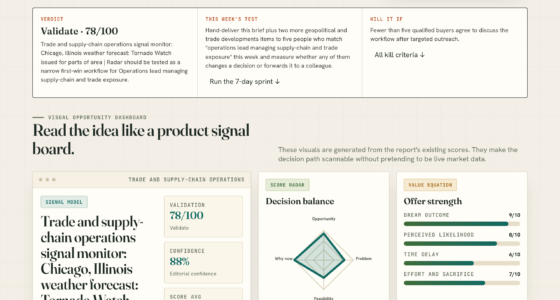

📊 Full opportunity report: The bridge. Why the AI buildout runs on a nuclear story and a gas reality. on ThorstenMeyerAI.com — validation score, market gap, and execution plan.
TL;DR
The AI industry’s nuclear procurement rush is real but delayed, while current power needs are being met by behind-the-meter natural gas. This creates a timeline gap with significant emissions implications.
The AI industry is investing heavily in nuclear power projects that are expected to deliver large-scale, carbon-free energy late in the decade, but the power currently fueling data centers predominantly comes from natural gas generators installed behind the meter.
Major tech firms such as Meta, Microsoft, Google, and Amazon have signed nuclear deals totaling up to 6.6 gigawatts, aiming for nuclear capacity to arrive between 2030 and 2035. However, the actual nuclear projects, including the restart of Three Mile Island and new SMR agreements, are years away from operational status, with some not expected to produce power until the late 2020s or early 2030s.
Meanwhile, the immediate power demands of data centers are being met by an expanding fleet of natural gas turbines, reciprocating engines, and fuel cells. Industry estimates indicate over 40 gigawatts of behind-the-meter gas generation are either planned or under construction, primarily to ensure reliable, on-site power supply amid grid connection delays that can span three to thirteen years depending on the region.
This discrepancy creates a timeline mismatch: the nuclear capacity that is being procured is not yet available, but the power needs are urgent, leading to a reliance on fossil fuels in the short term. The gas infrastructure being built now is effectively serving as a bridge until the nuclear projects come online.
The bridge.
Why the AI buildout runs
on a nuclear story and
a gas reality.
to early 2026 · the real rush
2027-2035, grid 3-7 years
generation · near-term mostly gas
(~10M cars) · Cornell analysis
- A data center is built in under two years
- Data center electricity use +17% in 2025, doubling by 2030
- Gartner: 40% of AI data centers electricity-constrained by 2027
- Three Mile Island ~2027 · Oklo ~2030 · Kairos 2030-2035
- No commercial SMR yet operates in the US
- Grid interconnection 3-7 years (up to 13 in Europe)
early 2030s
· mostly gas
The industry leads with the nuclear it has bought for the end of the decade and builds the gas it needs for now — and sites that gas behind the meter where it moves fastest and shows least. The behind-the-meter siting is the tell that the bridge will be here longer than the word implies.Thorsten Meyer · The Bridge · AI Energy 03
Implications of the Nuclear-Gas Power Gap for AI’s Climate Goals
This divergence between long-term nuclear commitments and short-term gas use has significant implications for the industry’s carbon footprint. While the nuclear deals reflect a genuine intent to shift toward clean, firm energy, the reliance on natural gas for immediate power raises questions about the actual emissions impact of the current AI buildout. The extent to which this gas infrastructure is temporary or becomes a permanent fixture will shape the industry’s environmental footprint for years to come.
Furthermore, the timeline mismatch underscores the challenges of aligning infrastructure development with rapid technology deployment, highlighting potential risks of delayed climate progress if nuclear projects face further setbacks or if gas reliance persists beyond expectations.
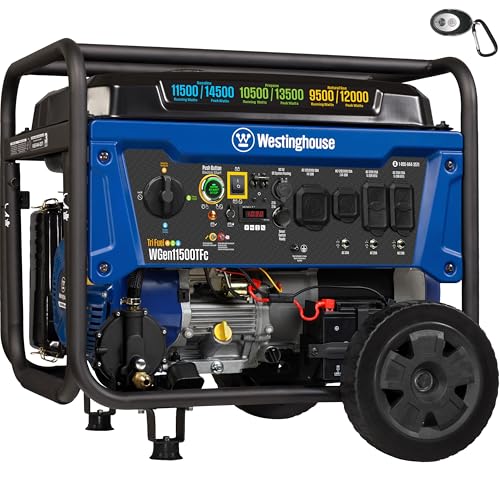
Westinghouse 14500 Peak Watt Tri-Fuel Home Backup Portable Generator, Remote Electric Start, Transfer Switch Ready, Gas, Propane, and Natural Gas Powered
Perfect as a backup power source for larger homes or a dependable source of portable power
As an affiliate, we earn on qualifying purchases.
As an affiliate, we earn on qualifying purchases.
Timeline Mismatch Between Nuclear Commitments and Power Needs
The push for nuclear energy among hyperscalers has accelerated over the past year, with deals signed and projects announced that aim to add several gigawatts of capacity by the late 2020s. However, actual nuclear projects, especially small modular reactors (SMRs), remain unproven at commercial scale in the US, with no operational SMRs yet in service and existing conventional nuclear projects experiencing significant delays and cost overruns, such as the Vogtle plant.
In contrast, data centers require reliable power within 18 to 24 months. Given the lengthy grid interconnection processes and construction timelines, the immediate power is being supplied by natural gas generators installed behind the meter—on-site or off-grid—burchased quickly and with fewer regulatory hurdles.
This creates a structural gap: the industry’s narrative of a clean nuclear future is ahead of the reality of infrastructure being built today, which is predominantly fossil-based gas generation.
“The nuclear deals are real and long-term, but the capacity won’t arrive on the schedule the AI industry needs, so gas is filling the immediate gap.”
— Thorsten Meyer
small modular nuclear reactor kit
As an affiliate, we earn on qualifying purchases.
As an affiliate, we earn on qualifying purchases.
Unclear Duration of Gas Reliance and Future Emissions Impact
It remains uncertain whether the current reliance on natural gas will be temporary or become a long-term fixture, especially if nuclear projects face further delays or cancellations. The future emissions impact hinges on whether the gas infrastructure is phased out once nuclear capacity is operational or if it persists, potentially undermining climate goals.

DuroMax XP16000iHT 16,000-Watt Tri Fuel Portable Digital Inverter Generator – Gas, Propane & Natural Gas, Remote Electric Start, Whole Home Power Backup, Transfer Switch Ready, RV & Emergency Ready
16,000 Watts of Reliable Tri-Fuel Power – Power your whole home, RV, or job site with clean sine…
As an affiliate, we earn on qualifying purchases.
As an affiliate, we earn on qualifying purchases.
Next Steps in Nuclear Deployment and Gas Infrastructure Development
Monitoring the progress of nuclear projects, particularly SMRs, over the next 1-3 years will clarify whether the industry can meet its clean energy commitments on schedule. Simultaneously, the expansion of behind-the-meter gas generation is likely to continue as a short-term solution, with potential regulatory or market shifts influencing its longevity.
Further analysis will be needed to assess the environmental impact of this infrastructure gap and whether additional policies or technological breakthroughs can accelerate nuclear deployment or reduce reliance on fossil fuels.

CyberPower ST425 Standby UPS Battery Backup and Surge Protector, 425VA/260W, 8 Outlets, Compact, UL Certified
425VA/260W Standby Uninterruptible Power Supply (UPS): Uses simulated sine wave output to provide battery backup power and to…
As an affiliate, we earn on qualifying purchases.
As an affiliate, we earn on qualifying purchases.
Key Questions
Why are nuclear projects delayed despite large investments?
Nuclear projects, especially SMRs, face technical, regulatory, and financial challenges, including long construction timelines, high costs, and uncertain commercialization timelines.
Is the current gas infrastructure intended to be permanent?
It is unclear. Industry sources suggest much of the gas buildout is intended as a temporary measure to meet immediate power needs, but economic and regulatory pressures could influence its future role.
How does this gap affect the industry’s climate commitments?
The reliance on fossil fuels in the short term could undermine the industry’s emissions goals unless offset by rapid nuclear deployment or renewable energy integration.
What are the risks if nuclear projects keep slipping?
Persistent delays could prolong dependence on fossil fuels, increase emissions, and challenge the industry’s narrative of a clean energy transition for AI infrastructure.
Source: ThorstenMeyerAI.com