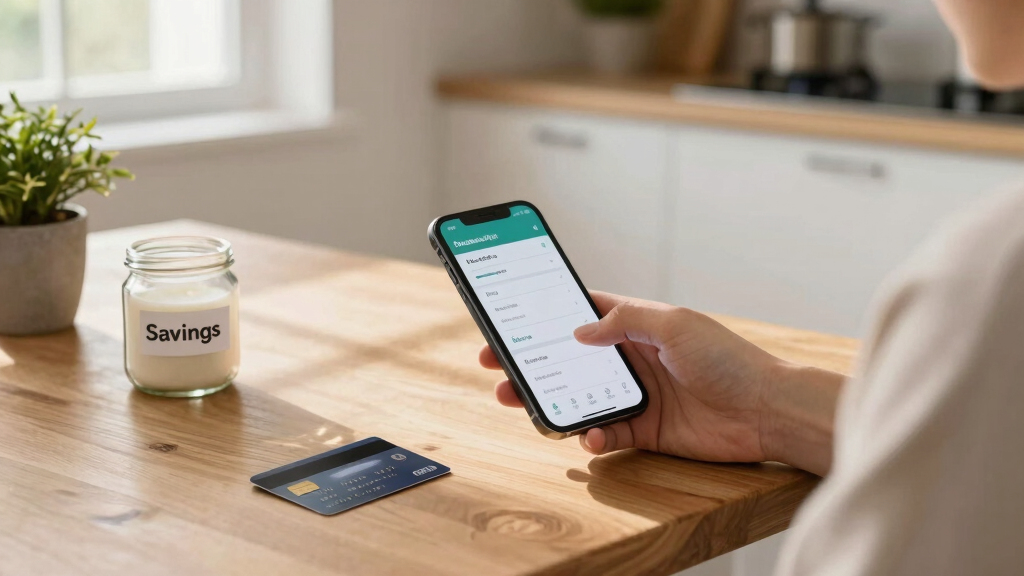

Choosing the right budgeting and savings app can make a significant difference in how effectively you manage your money. This year, four standout options offer varying features, from simple expense tracking to comprehensive financial advice. Expense Tracker 2.0 shines for its user-friendly interface and budgeting tools, making it a good pick for those who want straightforward expense management. DIY Money offers practical advice for beginners seeking to improve their overall financial health, while the other options focus more on organization or planning. Understanding the core differences will help you pick the best app based on your needs and experience level.
Prime for Young Adults — start your free trial
Fast free delivery, streaming and member deals for eligible 18–24 year olds.
Try it freeAs an affiliate, we earn on qualifying purchases.
Key Takeaways
- Expense Tracker 2.0 is best for users seeking an easy-to-use expense management tool with solid budgeting features.
- DIY Money stands out for providing actionable financial advice suitable for beginners and those looking to improve their money habits.
- Expense Book offers straightforward organization but lacks detailed features and reviews for performance assessment.
- Budget Manager & Expense Tracker is ideal for those who want a simple, organized approach without complex features.
- Tradeoffs include limited feature details and the absence of extensive user feedback across all options.
| Expense Tracker 2.0 – Financial Assistant for Budgeting and Saving |  | Best for Simple Expense Management and Budgeting | Platform Compatibility: iOS, Android, Web | Expense Categories: Multiple | Budgeting Tools: Yes | VIEW LATEST PRICE | See Our Full Breakdown |
| DIY Money | Personal Finance, Budgeting, Debt, Savings, Investing |  | Best for Practical Financial Advice and Education | Content Type: Books, Articles, Tips | Topics Covered: Budgeting, Debt, Savings, Investing | Accessibility: Beginner-friendly | VIEW LATEST PRICE | See Our Full Breakdown |
| Expense Book: Finance Management and Budgeting App |  | Best for Basic Expense Organization | Platform Compatibility: Unknown | Expense Tracking: Yes | Income Tracking: Yes | VIEW LATEST PRICE | See Our Full Breakdown |
| Budget Manager & Expense Tracker – Personal Finance Planner |  | Best for Organized Financial Planning | Platform Compatibility: Unknown | Expense Tracking: Yes | Budgeting Tools: Yes | VIEW LATEST PRICE | See Our Full Breakdown |
| budgeting and savings app | Platform Compatibility | Budgeting Tools | Expense Tracking |
|---|---|---|---|
| Expense Tracker 2.0 | iOS, Android, Web | Yes | — |
| DIY Money | Personal Finance | — | — | — |
| Expense Book: Finance Manageme | Unknown | — | Yes |
| Budget Manager & Expense Track | Unknown | Yes | Yes |
More Details on Our Top Picks
Expense Tracker 2.0 – Financial Assistant for Budgeting and Saving
Expense Tracker 2.0 stands out for its intuitive, user-friendly interface that makes expense monitoring accessible for beginners. It offers core budgeting tools like expense categorization and savings goal tracking, which can help users develop better money habits. Compared with more comprehensive apps, it’s limited in integrations and detailed features, making it less suitable for users needing advanced financial planning. This app is ideal for those who want straightforward expense tracking without the complexity of larger financial platforms.
Pros:- Intuitive and easy-to-navigate interface
- Focuses on essential budgeting and expense tracking
- Helps improve money management habits
Cons:- Limited information on features and integrations
- No clear platform compatibility details
- Lacks advanced financial planning tools
Best for: Budget-conscious users wanting a simple, effective way to track expenses and create basic budgets.
Not ideal for: Users seeking detailed investment advice or extensive financial integrations.
- Platform Compatibility:iOS, Android, Web
- Expense Categories:Multiple
- Budgeting Tools:Yes
- Savings Goals:Yes
- Sync with Bank Accounts:Limited
- Data Security:Standard
Our verdict“A straightforward app perfect for beginners who want basic expense tracking without extra frills.”
DIY Money | Personal Finance, Budgeting, Debt, Savings, Investing
DIY Money offers a broad overview of personal finance topics, making it ideal for beginners or those wanting to improve their overall financial literacy. While it provides valuable tips on budgeting, debt reduction, and savings strategies, it doesn’t offer detailed investment plans or advanced tools. Compared with dedicated budgeting apps, it’s more about education than direct expense management. This makes it a good starting point for users who prefer learning and applying financial principles over managing complex features.
Pros:- Comprehensive coverage of personal finance topics
- Provides actionable advice and tips
- Accessible language suitable for beginners
Cons:- Lacks specific product features or tools
- No detailed investment strategies or tracking features
- Limited interactivity or app-based tools
Best for: Beginners looking for accessible, practical advice to improve their financial health.
Not ideal for: Users who want a dedicated, feature-rich budgeting app or detailed investment strategies.
- Content Type:Books, Articles, Tips
- Topics Covered:Budgeting, Debt, Savings, Investing
- Accessibility:Beginner-friendly
- Platform:Web, eBook
- Financial Planning Tools:None
- Update Frequency:Periodic
Our verdict“A practical guide for those new to personal finance who want to learn and apply basic money management principles.”
Expense Book: Finance Management and Budgeting App
Expense Book is designed for users who want a simple, organized way to keep track of their finances. While it offers straightforward expense and income tracking, it doesn’t specify advanced features like goal setting or automatic bank syncs, making it less versatile than some competitors. Its simplicity could appeal to those new to budgeting but may fall short for users needing more detailed insights or integrations. The lack of user reviews or detailed functionality limits the ability to assess its performance fully.
Pros:- Easy to use for basic budgeting
- Helps improve financial organization
- Suitable for simple expense tracking
Cons:- Limited feature details
- No platform or user review information
- Lacks advanced functionalities
Best for: Individuals seeking an uncomplicated method to organize their expenses and income.
Not ideal for: Advanced users or those wanting comprehensive financial planning tools.
- Platform Compatibility:Unknown
- Expense Tracking:Yes
- Income Tracking:Yes
- Automatic Bank Sync:No
- Budgeting Features:Limited
- User Reviews:None
Our verdict“A minimalistic expense organizer best suited for those just starting out or needing simple record-keeping.”
Budget Manager & Expense Tracker – Personal Finance Planner
Budget Manager & Expense Tracker offers a straightforward approach to managing personal budgets and expenses, helping users stay organized. Its simplicity makes it suitable for those who prefer clean, focused tools without complicated features. However, it lacks detailed specifications and user feedback, which makes it harder to evaluate its full capabilities or reliability. This app makes sense for users who want minimalism over extensive features but might not satisfy those seeking in-depth financial analysis.
Pros:- Helps organize budgets clearly
- Effective for expense tracking
- Easy to use interface
Cons:- Limited specifications and features
- No user reviews or detailed performance data
- Lacks advanced financial tools
Best for: Users who prioritize organized budgeting without needing complex features.
Not ideal for: Advanced users or those requiring detailed investment or debt management tools.
- Platform Compatibility:Unknown
- Expense Tracking:Yes
- Budgeting Tools:Yes
- Sync with Accounts:Unknown
- User Feedback:None
- Additional Features:Minimal
Our verdict“A basic, organized budgeting app suitable for straightforward financial planning.”
How We Picked
Our selection process focused on apps that directly support budgeting and savings, prioritizing user-friendliness, feature clarity, and overall value. We considered the range of tools offered, ease of use for beginners and advanced users, and availability across platforms. Since detailed feature lists and user reviews are often limited, we also weighed the clarity of each app’s purpose and its potential to improve financial habits. The goal was to identify options that serve different types of users, from those seeking simplicity to those wanting comprehensive financial guidance.
| budgeting and savings app | Platform Compatibility |
|---|---|
| Expense Tracker 2.0 | iOS, Android, Web |
| DIY Money | Personal Finance | — |
| Expense Book: Finance Manageme | Unknown |
| Budget Manager & Expense Track | Unknown |
Factors to Consider When Choosing Budgeting And Savings Apps
Selecting the right budgeting or savings app depends on your financial goals, experience level, and the features you need. Whether you’re seeking a simple expense tracker or a comprehensive guide to your financial health, understanding what each app offers will help you choose wisely. In this guide, I’ll walk through key considerations that can influence your decision, including ease of use, feature set, platform compatibility, and the level of financial guidance provided.
Ease of Use
If you’re new to digital budgeting, look for apps with intuitive interfaces and straightforward features. Apps like Expense Tracker 2.0 and Expense Book excel in simplicity, making them suitable for beginners. More advanced users might prefer apps with detailed tools and integrations, which could come with a steeper learning curve.
Feature Set
Consider what functionalities you need. Basic expense tracking is sufficient for many, but if you want to manage debt, savings goals, and investments, look for apps like DIY Money or those offering comprehensive financial planning. Be aware that some apps focus solely on organization, lacking automation or integration capabilities.
Platform Compatibility
Check whether the app supports your devices. Many apps work across iOS, Android, and web, but some, like Expense Book and Budget Manager, do not specify their platform compatibility. Ensuring compatibility is essential for seamless access and updates.
Financial Guidance
If you want more than just expense recording, choose apps or resources that offer educational content or personalized advice. DIY Money is ideal for learning, while other apps focus solely on tracking. Think about whether you prefer a tool that guides your financial decisions or simply records your data.
Frequently Asked Questions
What features should I look for in a budgeting app?
When choosing a budgeting app, focus on core features like expense tracking, budget creation, and savings goal setting. For more advanced management, look for tools that include debt tracking, automatic bank syncs, and investment advice. The right features depend on your financial complexity and goals, so prioritize those that align with your needs.
Are free apps sufficient for managing my finances?
Many free apps cover basic expense tracking and budgeting needs effectively, making them suitable for casual users. However, paid options often offer more advanced features, integrations, and personalized guidance. If you’re serious about detailed financial planning, investing in a more comprehensive app or service might be worthwhile.
Can I use multiple budgeting apps at the same time?
Yes, using multiple apps can sometimes help if each specializes in different areas—one for expense tracking and another for financial education. However, this can lead to data silos or duplicated effort, so it’s often better to choose one app that best fits your main needs or ensure they sync smoothly if used together.
How important is platform compatibility for a budgeting app?
Platform compatibility is crucial if you want seamless access across your devices. Apps supporting iOS, Android, and web give flexibility and ensure your data is available wherever you are. Confirm compatibility before committing, especially if you rely on multiple devices or need offline access.
Is it better to choose an app with educational content or just expense tracking?
This depends on your goals. If you’re new to managing money, an app or resource with educational content like DIY Money can help build your skills and confidence. For straightforward expense management, a dedicated tracking app may be enough. Combining both approaches can be effective if you want to learn and track simultaneously.
Conclusion
If you’re just starting out and want simple expense management, Expense Tracker 2.0 and Expense Book are excellent choices for their ease of use. Those seeking a broader understanding of personal finance should consider DIY Money for its educational focus. Budgeting and expense organization enthusiasts who prefer straightforward tools without complex features will find Budget Manager & Expense Tracker suitable. Your choice should align with your familiarity with financial topics and the level of detail you need to stay on top of your money.
Fall Picks
fall essentials
As an affiliate, we earn on qualifying purchases.