
📊 Full opportunity report: Best AI Microphones For Perfect Sound In Streaming And Calls In 2026 on ThorstenMeyerAI.com — validation score, market gap, and execution plan.
TL;DR
In 2026, the market for AI-enhanced microphones has expanded, offering smarter, more versatile options for streaming and calls. The Logitech Blue Yeti remains top for its multi-pattern versatility, while new AI-driven models improve noise cancellation and auto-tuning. This development impacts content creators and remote workers seeking superior audio quality.
In 2026, the market for AI-powered microphones has seen significant innovation, with new models offering advanced noise cancellation, auto-tuning, and other top microphone options. These developments are transforming streaming, remote work, and content creation by providing better sound quality and user experience. The Logitech Blue Yeti continues to be a leading choice, while new AI-driven designs are gaining traction for their smart features.
Several manufacturers have introduced microphones equipped with AI-enhanced noise suppression and automatic sound optimization, catering to the increasing demand for high-quality remote communication devices. The Blue Yeti remains popular due to its four polar patterns, but newer models incorporate AI for adaptive pickup patterns and real-time feedback correction.
Major brands like Logitech, Rode, and newer startups are launching AI-integrated microphones that automatically adjust gain, filter background noise, and enhance voice clarity without user intervention. For more details, see the original analysis. These features are especially valuable in noisy environments or multi-user setups, where traditional microphones struggle to deliver consistent quality.
Why AI Microphones Are Changing Audio Quality in 2026
The integration of AI technology into microphones represents a significant leap forward for streamers, remote workers, and content creators. These microphones reduce the need for manual adjustments and background noise management, resulting in more professional sound and less post-production effort. As AI capabilities advance, microphones are becoming smarter, more adaptable, and easier to use, which could redefine standards for remote communication and content production.
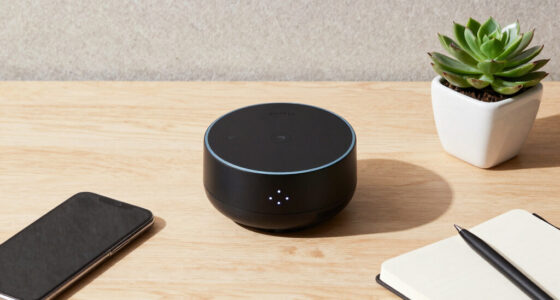
AI noise cancelling microphone for streaming
As an affiliate, we earn on qualifying purchases.
As an affiliate, we earn on qualifying purchases.
Evolution of Microphone Technology and AI Integration
Over the past decade, microphone technology has shifted from basic condenser and dynamic models to more sophisticated devices with digital processing. In 2026, AI integration is the latest trend, building on previous innovations like multi-pattern selection and onboard controls. The market has responded to the surge in remote work and streaming by prioritizing features like noise suppression and auto-tuning, with companies racing to incorporate AI for competitive advantage.
Previously, high-end microphones with noise-canceling features were costly and complex. Now, AI enables these features to be embedded in affordable, user-friendly devices, broadening access and improving overall audio quality across various use cases.
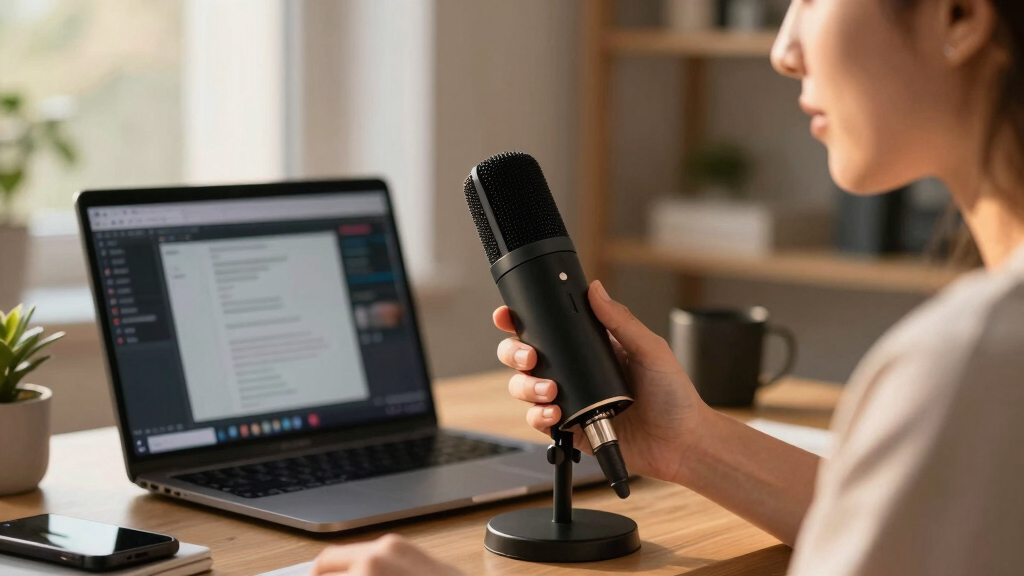
best AI-powered podcast microphone
As an affiliate, we earn on qualifying purchases.
As an affiliate, we earn on qualifying purchases.
Uncertainties Surrounding AI Microphone Adoption in 2026
While many new AI microphones are launching, it is still unclear how quickly consumers and businesses will adopt these advanced features widely. The long-term reliability of AI noise cancellation and auto-tuning remains to be fully tested in diverse environments. Additionally, the cost and availability of AI-enabled microphones may influence market penetration, especially for budget-conscious users.
auto-tuning USB microphone for calls
As an affiliate, we earn on qualifying purchases.
As an affiliate, we earn on qualifying purchases.
Future Developments and Market Trends for AI Microphones
In the coming months, expect further refinement of AI algorithms to improve sound quality and reduce latency. Manufacturers are likely to introduce more affordable models with AI features, expanding access. Additionally, integration with smart home and conferencing platforms could make AI microphones a standard component in remote work setups and streaming gear. Monitoring how these technologies evolve will be key for users seeking the best audio solutions in 2026 and beyond.
AI integrated microphone for remote work
As an affiliate, we earn on qualifying purchases.
As an affiliate, we earn on qualifying purchases.
Key Questions
What are the main advantages of AI microphones in 2026?
AI microphones automatically optimize sound quality, suppress background noise, and adapt to different environments, providing clearer audio for streaming, calls, and recording without manual adjustments.
Are AI-enabled microphones worth the extra cost?
For users who need consistent, high-quality audio in noisy or variable environments, AI features can justify a higher investment by reducing post-processing and improving clarity.
Which models are leading the AI microphone market in 2026?
The Logitech Blue Yeti remains popular, but newer models from Rode, Shure, and startups with advanced AI noise cancellation and auto-tuning are emerging as top contenders.
Will AI microphones replace traditional models?
While AI features add significant value, traditional microphones still serve niche applications or budget needs. AI integration is expected to complement, rather than fully replace, existing microphone technologies.
How reliable are AI noise cancellation features?
Most current AI noise cancellation systems are effective in typical environments, but their performance can vary in highly unpredictable or extreme noise conditions. Ongoing improvements are expected to enhance reliability.
Source: ThorstenMeyerAI.com