
Choosing the right budgeting tool as a student can be challenging with options ranging from simple guides to sophisticated apps. Budgeting Basics for Students offers a quick, straightforward approach for those just starting out. Smart Budgeting provides an interactive, expense-tracking experience suited for students who want more control. Meanwhile, Personal Finance for Teens and Young Adults serves as a comprehensive guide for beginners eager to learn essential money skills. Each has its strengths and tradeoffs, but understanding their differences helps you pick what best fits your needs.

Get smart everyday buys delivered free — and shop member deals
- Fast, free delivery on millions of items
- Access to Prime Big Deal Days deals on October 6–7
- Prime Video, Amazon Music and more included
Key Takeaways
- Budgeting Basics is ideal for absolute beginners needing quick, fundamental guidance.
- Smart Budgeting suits students who prefer interactive tools and expense tracking without complex features.
- The finance book provides in-depth financial education but lacks digital tracking and interactivity.
- Tradeoffs include simplicity versus depth; choose based on whether you want quick tips or detailed learning.
- All options serve different stages of financial literacy, from beginner to more engaged money management.
| Budgeting Basics for Students: A 30-Page Guide to Financial Success |  | Best for Quick, Foundational Learning | Length: 30 pages | Format: PDF/Printable | Focus: Fundamental budgeting skills | VIEW LATEST PRICE | See Our Full Breakdown |
| Smart Budgeting |  | Best for Interactive Expense Tracking | Platform: Web and mobile (unspecified) | Features: Expense tracking, goal setting | Automation: Manual input | VIEW LATEST PRICE | See Our Full Breakdown |
| Personal Finance for Teens and Young Adults: Learn Money Skills Not Taught in School |  | Best for In-Depth Financial Education | Format: Paperback, eBook | Focus: Money skills, budgeting, investing | Audience: Beginners and young adults | VIEW LATEST PRICE | See Our Full Breakdown |
| student budgeting app | Price | Support | Format | Focus |
|---|---|---|---|---|
| Budgeting Basics for Students: | Affordable | None | PDF/Printable | Fundamental budgeting skills |
| Smart Budgeting | Moderate | Basic | — | — |
| Personal Finance for Teens and | Variable | None | Paperback, eBook | Money skills, budgeting, investing |
More Details on Our Top Picks
Budgeting Basics for Students: A 30-Page Guide to Financial Success
This guide stands out for its brevity and clarity, making it perfect for students who need a quick primer on budgeting. It focuses on essential skills like tracking expenses and setting simple goals, which are enough to get started without feeling overwhelmed. Compared with more comprehensive programs, it lacks depth and detailed planning strategies, but its concise format makes it easy to digest. This makes it ideal for students who want a straightforward introduction but less suitable for those seeking advanced financial planning.
Pros:- Concise and easy to understand
- Focuses on essential budgeting skills
- Great for quick reference and initial learning
Cons:- Limited content due to short length
- Lacks detailed financial planning strategies
- Not suitable for advanced budgeting needs
Best for: Students new to budgeting who need a quick, easy-to-understand resource
Not ideal for: Students looking for detailed financial strategies or long-term planning tools
- Length:30 pages
- Format:PDF/Printable
- Focus:Fundamental budgeting skills
- Audience:Beginners
- Price:Affordable
- Support:None
Our verdict“A perfect starting point for absolute beginners who want a quick, straightforward overview of budgeting basics.”
Smart Budgeting
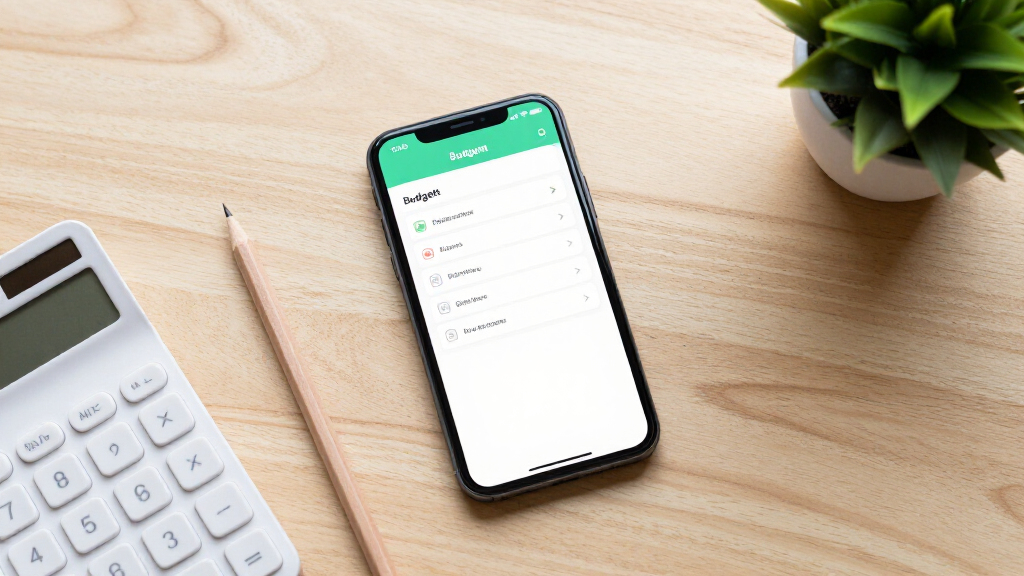
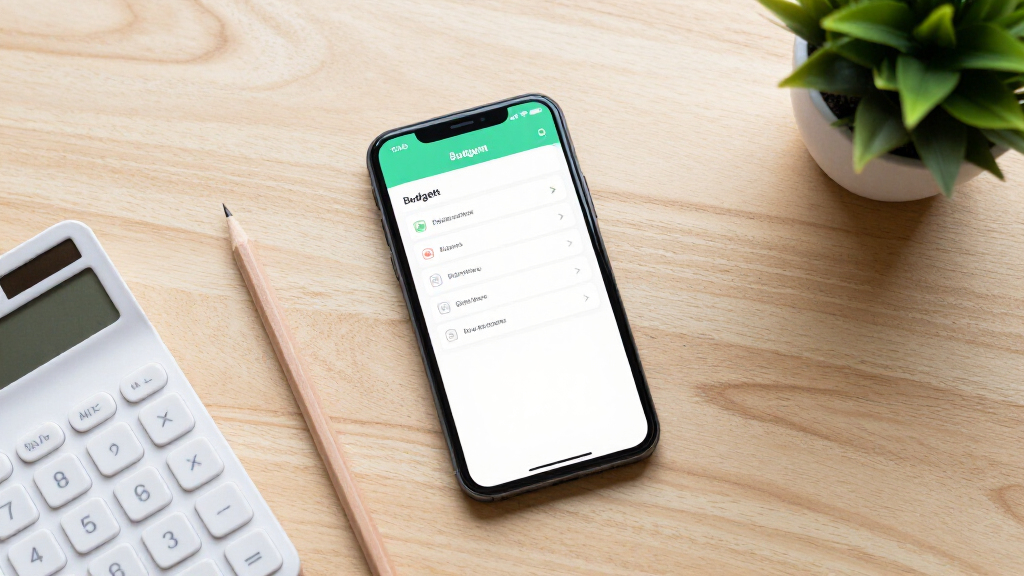
Compared with the guide, Smart Budgeting offers a digital, user-friendly experience that helps students actively track expenses and set financial goals. Its intuitive interface makes it easier to stay on top of daily spending, which is a key benefit for students managing limited funds. However, its features are somewhat basic, lacking advanced tools like automated categorization or mobile app support, which could limit its usefulness for students seeking a more automated experience. The need for manual input can also be a barrier for those preferring an app that automates data collection.
Pros:- User-friendly interface
- Helps with expense tracking
- Supports goal setting
Cons:- Limited advanced features
- No mobile app mentioned
- Requires manual data entry
Best for: Students wanting simple, visual expense management and goal setting
Not ideal for: Students seeking advanced features or fully automated tracking
- Platform:Web and mobile (unspecified)
- Features:Expense tracking, goal setting
- Automation:Manual input
- Ease of Use:High
- Price:Moderate
- Support:Basic
Our verdict“An excellent choice for students who prefer hands-on control and visual tracking over automation or complex features.”
Personal Finance for Teens and Young Adults: Learn Money Skills Not Taught in School
This book offers a comprehensive overview of personal finance tailored to young adults stepping into financial independence. Unlike the previous two options, it emphasizes foundational knowledge like saving, investing, and long-term planning, making it ideal for students who want to build a solid financial base. Its practical advice is accessible, but it doesn’t integrate digital tools or interactive features, which might limit engagement for tech-savvy students. It’s best suited for those who prefer learning through reading and reflection rather than digital tracking.
Pros:- Provides practical financial skills
- Focuses on budgeting, saving, and investing
- Easy-to-understand guidance
Cons:- No digital or interactive features
- No specific price or ratings available
- Less suited for quick reference
Best for: Students seeking detailed financial education and life skills
Not ideal for: Students wanting interactive apps or quick-start guides
- Format:Paperback, eBook
- Focus:Money skills, budgeting, investing
- Audience:Beginners and young adults
- Coverage:Fundamentals of personal finance
- Price:Variable
- Support:None
Our verdict“This book is a solid resource for students eager to learn comprehensive money management skills from a beginner-friendly perspective.”
How We Picked
Our selection process focused on how each product helps students manage their finances effectively. We prioritized ease of use, practicality, and relevance to typical student needs. Digital tools like Smart Budgeting were evaluated for their user interface and feature set, while guides and books were chosen for clarity and applicability to real-life scenarios. We also considered the level of interactivity, depth of content, and suitability for beginners. Products that offered straightforward, actionable advice or tools without overwhelming complexity made the cut.
| student budgeting app | Format | Focus | Audience | Price |
|---|---|---|---|---|
| Budgeting Basics for Students: | PDF/Printable | Fundamental budgeting skills | Beginners | Affordable |
| Smart Budgeting | — | — | — | Moderate |
| Personal Finance for Teens and | Paperback, eBook | Money skills, budgeting, investing | Beginners and young adults | Variable |
Factors to Consider When Choosing Student Budgeting Apps
When selecting the best student budgeting tool, consider your current financial literacy, preferred learning style, and whether you want quick tips or in-depth education. The right choice balances ease of use, interactivity, and the level of detail you need to stay on top of your finances without feeling overwhelmed.
Understanding Your Needs
Assess whether you’re looking for a simple guide, an interactive app, or a comprehensive financial education resource. Beginners may prefer quick guides or basic apps, while students interested in long-term planning might lean toward detailed books or advanced apps.
Ease of Use vs. Depth
Simple guides like Budgeting Basics are quick and easy but lack depth. Interactive apps like Smart Budgeting provide a balance of usability and tracking, while books offer thorough knowledge but lack immediate interactivity. Choose based on your comfort level and learning style.
Interactivity and Automation
If you want automatic expense tracking and alerts, look for apps with mobile support and automation capabilities. If you prefer learning at your own pace, a book or quick guide might suffice. Consider how much effort you’re willing to put into managing your finances daily.
Frequently Asked Questions
What is the best starting point for a complete beginner?
For those just starting out, Budgeting Basics for Students offers a quick, understandable foundation. It covers essential skills without overwhelming details, making it a perfect first step into personal finance.
Are digital apps better than books for managing money?
Digital apps like Smart Budgeting provide real-time expense tracking and goal setting, which can be more engaging and practical. However, books are better for in-depth understanding and developing a strong financial mindset, especially if you prefer learning through reading.
Can these apps and resources help me save money?
Yes, especially apps like Smart Budgeting that help track expenses and set savings goals. The guide and book provide foundational knowledge to develop saving strategies and make smarter financial decisions over time.
Do I need a mobile app to manage my finances as a student?
Not necessarily. While mobile apps offer convenience and instant updates, a simple guide or book can be enough for basic budgeting skills. If you want automated tracking or quick access on the go, a mobile app like Smart Budgeting is more suitable.
Which resource is best for learning about investing?
The book, Personal Finance for Teens and Young Adults, covers investing basics along with budgeting and saving. Digital apps tend to focus more on expense tracking and goal setting rather than detailed investment education.
Conclusion
If you’re a complete beginner or need quick advice, Budgeting Basics for Students is the best fit. Students who prefer interactive, hands-on tools should choose Smart Budgeting. Those eager to build a solid financial foundation with in-depth knowledge will benefit most from the comprehensive book. Select your resource based on how much guidance and interaction you prefer to stay on top of your finances confidently.
Fall Picks
fall essentials
As an affiliate, we earn on qualifying purchases.