

Incorporating Ethereum into your IRA can enhance your retirement strategy by leveraging its tax advantages and growth potential. With tax-deferred growth or tax-free withdrawals, Ethereum offers a way to diversify and tap into the increasing institutional adoption of cryptocurrencies. However, be mindful of contribution limits, security considerations, and compliance challenges. Understanding these factors can help you make informed decisions moving forward. Discover how you can effectively integrate Ethereum into your investment portfolio.
Key Takeaways
- Including Ethereum in your IRA offers tax advantages like tax-deferred growth or tax-free withdrawals, enhancing your overall investment potential.
- Ethereum’s growing institutional adoption indicates long-term growth prospects, making it an appealing addition to your retirement portfolio.
- A self-directed IRA is necessary to hold Ethereum, providing investment control and diversification across multiple cryptocurrencies.
- Diversifying with Ethereum can mitigate portfolio volatility and balance risks, particularly in a market increasingly accepting digital assets.
- Regulatory clarity anticipated beyond 2025 may influence future strategies for incorporating Ethereum into retirement accounts.
Ethereum IRA custodian
As an affiliate, we earn on qualifying purchases.
As an affiliate, we earn on qualifying purchases.
Understanding the Tax Advantages of Ethereum in an IRA
When you include Ethereum in an IRA, you open considerable tax advantages that can enhance your investment strategy. For instance, holding Ethereum in a Traditional Crypto IRA allows your investments to grow tax-deferred, meaning you won’t owe taxes until withdrawal, typically at lower retirement income rates. If you opt for a Roth Crypto IRA, you can enjoy tax-free withdrawals on gains after five years, provided you’re over 59½. Plus, trading Ethereum within the IRA won’t trigger capital gains taxes, so you can rebalance your portfolio without immediate tax consequences. This tax deferral or exemption markedly boosts the compounding potential of your Ethereum investments compared to taxable accounts, making it an attractive option for long-term retirement planning. Furthermore, the enhanced cybersecurity measures provided by AI can help protect your digital assets, including Ethereum, within your IRA.
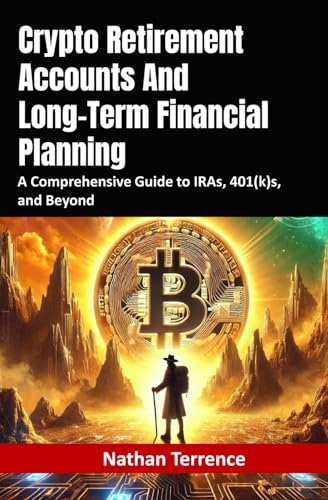
Crypto Retirement Accounts And Long-Term Financial Planning: A Comprehensive Guide to IRAs, 401(k)s, and Beyond
As an affiliate, we earn on qualifying purchases.
As an affiliate, we earn on qualifying purchases.
Contribution Limits and Rules for Crypto IRAs in 2025

Understanding the tax advantages of including Ethereum in your IRA is just the beginning; knowing the contribution limits and rules for Crypto IRAs in 2025 is equally important. For 2025, you can contribute up to $7,000 if you’re under 50, or $8,000 if you’re 50 or older. These contributions must adhere to IRS rules, ensuring all earnings stay within the IRA for tax benefits. Direct rollovers from traditional IRAs to Crypto Roth IRAs are allowed, though taxes may apply. To hold Ethereum, you’ll need a self-directed IRA since regular IRAs don’t support crypto. Here’s a quick reference:
| Age Group | Contribution Limit |
|---|---|
| Under 50 | $7,000 |
| 50 and Older | $8,000 |
| Direct Rollover | Allowed |
| Self-Directed Required | Yes |
| Tax Reporting | Only outside trades |
Additionally, it’s crucial to stay informed about IRS rules that govern cryptocurrency investments to maximize your benefits.

TANGEM Wallet Pack of 2 – Secure Crypto Wallet – Trusted Cold Storage for Bitcoin, Ethereum, NFT's & More Coins – 100% Offline Hardware Wallet
THE HIGHEST LEVEL OF SECURITY: Tangem Wallet generates the private key that never leaves the card. Your crypto…
As an affiliate, we earn on qualifying purchases.
As an affiliate, we earn on qualifying purchases.
Crypto IRA Custody, Fees, and Security Considerations

When you choose a Crypto IRA, selecting the right custodian is essential for securing your investments. You’ll encounter various fees, from setup to annual maintenance and trading costs, which can impact your overall returns. Understanding these elements helps you make informed decisions about safeguarding your Ethereum and other crypto assets. Additionally, considering the importance of consulting experts in both financial and technical aspects can enhance your investment strategy.
Custodian Selection Importance
How can you guarantee your Ethereum investments are secure and compliant within a Crypto IRA? Selecting the right custodian is vital. A reputable custodian ensures your assets are stored securely and transactions are compliant with IRS regulations. Look for providers that offer strong security measures, such as cold storage and insurance coverage.
Here’s a quick comparison to help you:
| Feature | Importance |
|---|---|
| Security Measures | Protects against hacking risks |
| Regulatory Compliance | Ensures IRS adherence |
| Fees | Impacts overall investment cost |
Additionally, consider how strong security measures can enhance your peace of mind while managing your investments.
Fee Structure Overview
While steering through the world of Crypto IRAs, understanding the fee structure associated with custody and management is essential. You’ll want to be aware of the following costs:
- Account Setup Fees: Expect to pay between $50 and $300 to get your Crypto IRA up and running.
- Annual Maintenance Fees: These typically range from $100 to $295, covering ongoing account management.
- Trading Fees: When you buy or sell crypto, anticipate fees around 0.5% to 1% per trade. Additionally, regular checks on statements can aid in financial management, ensuring you stay informed about your investment costs.

Buy, Rehab, Rent, Refinance, Repeat: The BRRRR Rental Property Investment Strategy Made Simple
As an affiliate, we earn on qualifying purchases.
As an affiliate, we earn on qualifying purchases.
Investment Diversification: Ethereum and Other Cryptocurrencies in IRAs

Including Ethereum and other cryptocurrencies in your IRA can substantially broaden your asset allocation, allowing you to tap into the growing trends of institutional adoption. This diversification helps mitigate portfolio volatility by balancing the risks associated with digital assets. By strategically incorporating these investments, you can enhance your retirement strategy and position yourself for potential long-term gains.
Broader Asset Allocation
What if you could enhance your retirement portfolio by diversifying with Ethereum and other cryptocurrencies? Including these digital assets might not only boost your returns but also reduce your overall risk. Here are three ways you can benefit from broader asset allocation:
- Expanded Exposure: By holding Ethereum alongside Bitcoin and other cryptocurrencies, you gain access to a wider range of market opportunities.
- Risk Mitigation: Combining volatile cryptocurrencies with stable assets can balance your portfolio, potentially reducing risk during market fluctuations.
- Flexibility: Integrating various asset types allows for easier rebalancing strategies, ensuring your investments align with your retirement goals.
Incorporating cryptocurrencies into your IRA can help you implement risk management strategies that protect your investments and enhance long-term growth potential. Diversifying with Ethereum and other cryptocurrencies can be a smart move in your IRA, helping you secure a more resilient financial future.
Institutional Adoption Trends
How is institutional adoption of cryptocurrencies like Ethereum reshaping the landscape of retirement investing? As more institutional players embrace Ethereum, it signals a shift in how you can diversify your retirement portfolio. You’re no longer limited to traditional assets; you can now include Ethereum alongside Bitcoin and a variety of other cryptocurrencies. This growing acceptance reflects a broader trend, with financial institutions launching crypto-focused products and ETFs. By adopting Ethereum in your IRA, you gain exposure to potential long-term growth while aligning with evolving market trends. This diversification can help you navigate market volatility and enhance your overall investment strategy. Keeping an eye on institutional moves will guide you in making informed decisions for your retirement savings. Additionally, the diversification benefits of including assets like Ethereum can further safeguard against market fluctuations.
Portfolio Volatility Mitigation
While diversifying your retirement portfolio with Ethereum and other cryptocurrencies can be an effective strategy, it’s essential to understand how this approach can help mitigate volatility. By including a variety of digital assets, you can balance out the fluctuations typical in this market. Here are three ways this diversification benefits you:
- Risk Reduction: Spreading investments across Ethereum, Bitcoin, and other cryptocurrencies can lower the overall risk of your portfolio.
- Market Resilience: Different assets may react differently to market changes, providing a buffer against significant losses.
- Increased Opportunity: A well-rounded crypto portfolio opens up multiple avenues for potential growth, even in a volatile environment.
Incorporating Ethereum alongside other assets can enhance long-term stability and returns in your IRA. Additionally, understanding transfer switch safety is crucial when considering backup power solutions for your investments.
Risks and Compliance Challenges of Ethereum in IRAs

Handling the risks and compliance challenges of including Ethereum in your IRA requires careful attention to IRS regulations and investment strategies. The IRS treats cryptocurrencies as property, meaning any non-compliance with IRA rules can jeopardize your tax advantages and lead to penalties. You must avoid prohibited transactions, such as using IRA-held crypto for personal purposes or lending it out. Additionally, verify you disclose any crypto transactions outside your IRA during tax filing to dodge potential fines. Be mindful of Ethereum’s volatility and assess your risk tolerance carefully. Finally, activities like staking or mining within your IRA could trigger Unrelated Business Income Tax (UBIT), so consider seeking professional tax guidance to stay compliant and protect your investments. Understanding the importance of compliance challenges is crucial to navigating the complexities of crypto investments in your IRA.
Future Trends for Including Ethereum in IRAs
As the landscape of cryptocurrency continues to evolve, including Ethereum in your IRA presents exciting future trends that could reshape your retirement investment strategy. Here are three key trends to watch:
- Regulatory Clarity: Expect evolving IRS guidance that may expand options and protections for crypto IRAs beyond 2025.
- Technological Advances: Innovations in custody solutions could enhance security and lower fees for managing Ethereum in your IRA.
- Institutional Adoption: Increased involvement from institutions signals a growing acceptance of Ethereum as a viable retirement asset class. Furthermore, as high refresh rates become more prevalent in technology, they may also influence how digital assets are traded and valued in the future.
Comparing Traditional and Roth Crypto IRAs

When considering your crypto investment options, comparing Traditional and Roth Crypto IRAs is essential for effective retirement planning. A Traditional Crypto IRA allows your Ethereum investments to grow tax-deferred, meaning you’ll only pay taxes upon withdrawal, typically at your retirement income rate. In contrast, a Roth Crypto IRA lets you withdraw your gains tax-free if you’ve held the account for at least five years and are over 59½. Both types allow you to trade Ethereum within the IRA without triggering capital gains taxes, enhancing your investment strategy. Ultimately, your choice depends on your tax situation and retirement goals. Evaluating these factors will help you determine which IRA fits best with your long-term investment plans.
The Role of Self-Directed IRAs in Crypto Investments

Self-directed IRAs play a crucial role in enabling you to invest in cryptocurrencies like Ethereum, as they offer the flexibility to manage your investments without the constraints of traditional IRAs. Here are three key benefits of using a self-directed IRA for your crypto investments:
- Investment Control: You choose which cryptocurrencies to invest in, including Ethereum, and can adjust your portfolio as needed.
- Tax Advantages: Enjoy potential tax-deferred growth or tax-free withdrawals, depending on your IRA type, maximizing your returns over time.
- Diverse Options: Self-directed IRAs allow you to hold multiple cryptocurrencies, enhancing your investment diversification beyond just Ethereum.
Evaluating Your Risk Tolerance With Ethereum in Retirement Accounts
Investing in Ethereum through a self-directed IRA offers significant flexibility, but it also requires a careful assessment of your risk tolerance. Before diving in, consider how much volatility you can handle, as Ethereum’s price can fluctuate dramatically.
Here’s a quick guide to help you evaluate your risk tolerance:
| Risk Level | Description |
|---|---|
| Low | Stable investments, minimal risk |
| Moderate | Some volatility, balanced approach |
| High | High-risk, aggressive growth potential |
| Very High | Significant volatility, speculative |
Understanding your comfort with risk will guide your investment decisions and help you strategize effectively for retirement. Always remember to balance your portfolio to mitigate potential losses.
Frequently Asked Questions
Can I Hold Other Assets Besides Ethereum in My Crypto IRA?
Yes, you can hold other assets besides Ethereum in your crypto IRA. Many platforms support a variety of cryptocurrencies, including Bitcoin, Solana, and Chainlink, allowing you to diversify your portfolio. This diversification can help manage risk and balance the volatility of individual assets. Just make sure to adhere to IRA contribution limits and compliance rules to maintain your tax advantages while enjoying the benefits of a broader crypto investment strategy.
What Are the Tax Implications of Selling Ethereum in My IRA?
Imagine trading your Ethereum like it’s hot stock on the trading floor. When you sell Ethereum in your IRA, you won’t face immediate capital gains taxes, as those taxes are deferred until you withdraw funds. If you’re in a Roth IRA, you can potentially enjoy tax-free withdrawals after meeting specific conditions. Just remember, any transactions outside the IRA need to be reported for tax purposes, so keep your records straight!
How Do I Choose a Crypto IRA Provider?
When choosing a crypto IRA provider, start by researching their reputation and security measures. Look for providers with regulated custodians and robust insurance policies. Compare fees, including setup, maintenance, and trading costs, to find a cost-effective option. Confirm they offer a variety of cryptocurrencies and have user-friendly platforms. Check their customer support and educational resources to assist you in managing your investments effectively. Make sure they comply with IRS regulations for crypto assets.
Is There a Minimum Investment Required for a Crypto IRA?
Yes, most crypto IRA providers do have a minimum investment requirement, typically ranging from $1,000 to $5,000. This initial investment helps you open and fund your account. Keep in mind that some platforms may offer different tiers or fee structures based on your investment level. Always check with your chosen provider for specific details and confirm you’re comfortable with the minimum before proceeding with your crypto IRA setup.
Can I Transfer Ethereum From My Exchange to My Crypto IRA?
Sure, you can transfer Ethereum from your exchange to your crypto IRA. Think of it like moving your prized comic book collection from a dusty attic to a secure vault; it’s all about protecting your assets. Just make certain you’re using a self-directed IRA that allows such transfers. Follow the proper procedures set by your IRA custodian, and you’ll be on your way to managing your crypto investments for retirement without a hitch.
Conclusion
As you ponder the potential of adding Ethereum to your IRA, consider it a golden opportunity rather than a gamble. With its unique advantages and the allure of diversification, Ethereum could be the spark your retirement portfolio needs. Just remember to navigate the waters with caution, weighing risks and compliance, while keeping an eye on future trends. Embrace the possibilities, and you might just find Ethereum is the perfect fit for your financial journey.