
Maximizing security for your IRA crypto starts with self-custody. By holding your assets directly, you gain control and can customize your investment strategy. However, you’re also responsible for ensuring that your custodian is legitimate, as fraud and security risks are real. Without federal protections, relying on a trustworthy custodian is vital. You’ll want to contemplate various risk management strategies too. Let’s explore the structure and advantages of self-custody in more detail.
Key Takeaways
- Self-custody offers direct control over your crypto assets, enhancing security and investment strategy customization.
- Ensure your chosen custodian is IRS-approved to avoid fraud and compliance issues.
- Regular risk assessments and portfolio diversification can mitigate volatility in your crypto investments.
- Implement strong security measures and consider Crypto Custody™ insurance for additional asset protection.
- Stay informed about IRS regulations and prohibited transactions to maintain your IRA’s tax benefits.
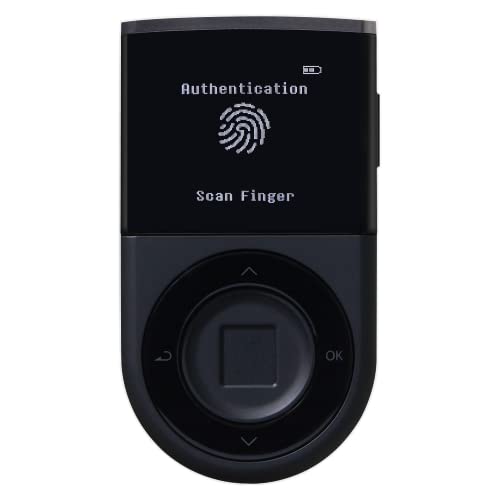
D'CENT Hardware Wallet – Biometric Cold Wallet for Crypto with Fingerprint Authentication | Secure Bluetooth Storage for Bitcoin, Ethereum, XRP, XDC, Solana, Stablecoins & More
UNMATCHED SECURITY WITH BIOMETRIC PROTECTION – Protect your crypto with certified EAL5+ Secure Element chip and advanced fingerprint…
As an affiliate, we earn on qualifying purchases.
As an affiliate, we earn on qualifying purchases.
Understanding Regulatory Framework for IRA Crypto Self-Custody

When you consider self-custody for your IRA crypto, understanding the regulatory framework governing these investments is essential. The IRS classifies cryptocurrency as property, which means it can be included in IRAs but under strict regulations. To comply, your crypto must be held by an IRS-approved custodian, not in personal wallets or exchanges. Typically, custodians are banks or trust companies, so verifying their legitimacy is important to avoid scams. Self-directed IRAs allow crypto investments but impose restrictions on transactions to prevent personal use. Importantly, without federal protections like FDIC insurance, your crypto’s security relies heavily on the custodian’s protocols. Therefore, knowing these regulations can help you make informed decisions about your IRA crypto investments. Additionally, practicing mindful decluttering strategies when managing your crypto assets can help you maintain focus and organization in your investment approach.

KEYSTONE Crypto Seed Storage, Crypto Steel Capsule Metal Wallet, Cold Storage Backup, 24 Words Bitcoin Key Phrase Storage, Steel Plate, Compatible with Ledger, Trezor, KeepKey (Keystone Tablet)
【 DURABLE AND INDESTRUCTIBLE 】: Made with grade 304 Steel, the Keystone Tablet is the long term solution…
As an affiliate, we earn on qualifying purchases.
As an affiliate, we earn on qualifying purchases.
Assessing Security Risks and Fraud Concerns
With the regulatory framework in mind, it’s vital to recognize the security risks and fraud concerns that can arise in self-custody crypto IRAs. The risk of fraud is considerable, as scammers often exploit self-directed IRAs through fake custodians or unvetted promoters. Since custodians typically don’t investigate the backgrounds of crypto asset promoters, you might find yourself exposed to higher risks. Without federal insurance like FDIC or SIPC, your holdings depend entirely on the custodian’s security protocols. Implementing robust security measures, including insured storage options, is essential to prevent hacking or theft. Additionally, keep an eye on high custodian and trading fees, which can greatly impact your overall investment strategy compared to traditional retirement fund structures. It’s crucial to maintain positive energy around your financial decisions to help attract the best opportunities and protect your investments.
crypto custody insurance for IRA
As an affiliate, we earn on qualifying purchases.
As an affiliate, we earn on qualifying purchases.
Navigating Volatility and Risk Management Strategies
Although steering the volatility of cryptocurrencies can be intimidating, implementing effective risk management strategies is essential for IRA holders. To navigate these turbulent waters, consider the following approaches:
Managing cryptocurrency volatility is challenging, yet crucial for IRA holders; effective risk management strategies can guide your investment journey.
- Assess your risk tolerance regularly to align with your investment strategy.
- Diversify your portfolio by including both traditional assets and various cryptocurrencies.
- Use position sizing to limit exposure to any single investment, especially in crypto’s unpredictable market.
- Monitor your portfolio frequently to react quickly to market changes.
- Set disciplined entry and exit points to prevent emotional decisions during price swings.
- Incorporating diversification strategies can enhance resilience against market fluctuations.

TANGEM Wallet Pack of 2 – Secure Crypto Wallet – Trusted Cold Storage for Bitcoin, Ethereum, NFT's & More Coins – 100% Offline Hardware Wallet
THE HIGHEST LEVEL OF SECURITY: Tangem Wallet generates the private key that never leaves the card. Your crypto…
As an affiliate, we earn on qualifying purchases.
As an affiliate, we earn on qualifying purchases.
Exploring the Benefits of Self-Custody in Crypto IRAs
Self-custody in crypto IRAs offers distinct advantages, empowering you to take control of your investment strategy. With direct ownership of your assets, you can tailor your portfolio to fit your unique goals and risk tolerance. This flexibility allows for timely rebalancing and strategic allocation across various cryptocurrencies. You also retain the tax benefits associated with retirement accounts, preserving your IRA’s tax deferral or Roth tax-free growth. Additionally, the transparency of blockchain technology enhances the security of your transactions. Unlike traditional investment vehicles, self-custody gives you the autonomy to make decisions without third-party restrictions, enabling you to navigate the volatile crypto market more effectively. Embracing self-custody can be a powerful step toward maximizing your crypto IRA’s potential. Furthermore, just as eye patches can provide hydration and nourishment to delicate skin, managing your crypto assets directly can ensure they receive the attention and care needed for optimal growth.
Legal Considerations and Structuring Your Self-Custodial IRA
When considering a self-custodial IRA, understanding the legal requirements and structural nuances is essential for compliance and effective asset management. Here are key points to keep in mind:
- Establish an IRA LLC specifically for crypto investments to simplify operations.
- Guarantee your custodian is IRS-compliant and adheres to reporting requirements.
- Be aware of prohibited transactions to avoid penalties and disqualification.
- Consider obtaining Crypto Custody™ insurance for added security on your assets.
- Consult legal expertise to navigate state-specific requirements and IRS rules.
- Additionally, explore sustainability and eco-friendly packaging options for your crypto investments to align with emerging trends in responsible financial practices.
Frequently Asked Questions
What Types of Cryptocurrencies Can I Hold in a Self-Custody IRA?
In a self-custody IRA, you can hold a diverse range of cryptocurrencies, including Bitcoin (BTC), Ethereum (ETH), stablecoins, and various altcoins. This flexibility allows you to tailor your investment strategy according to your preferences. Just make sure your chosen cryptocurrencies comply with IRS regulations and your custodian’s policies. By diversifying your portfolio, you can better manage risks while taking advantage of the potential growth in the crypto market.
How Do I Choose a Reliable Crypto Custodian?
When it comes to selecting a trustworthy crypto custodian, think of it as finding the right partner in a dance. Start by researching custodians’ credentials and regulatory compliance. Look for positive reviews and testimonials that highlight their reliability. Make certain they offer robust security measures, like insurance and secure storage. Finally, discuss fees and services openly to avoid surprises. By doing your homework, you’ll find a custodian that keeps your assets safe and sound.
Can I Transfer Existing Crypto Assets Into My IRA?
Yes, you can transfer existing crypto assets into your IRA, but there are specific steps to follow. First, verify your IRA is a self-directed account that allows crypto investments. Then, work with your chosen custodian to initiate the transfer, as they’ll handle the necessary paperwork and compliance. Remember, the assets must be compliant with IRS regulations, so make sure you understand the rules before proceeding to avoid penalties.
What Happens if My Custodian Goes Bankrupt?
If your custodian goes bankrupt, you could face significant risks, as up to 80% of custodians may not have adequate insurance. Your assets might be tied up in legal proceedings, making it difficult to access your funds. It’s vital to verify your custodian’s legitimacy and make certain they have robust insurance policies. Always have a backup plan, and consider diversifying your holdings to minimize risk in case of custodian failures.
How Are Crypto Transactions Reported for Tax Purposes?
Crypto transactions are reported for tax purposes by tracking each trade’s gains or losses. You’ll need to report your capital gains on your tax return when you sell, trade, or use your crypto. The IRS requires you to provide details like the date of acquisition, date of sale, amount received, and your basis in the asset. Keeping accurate records is vital to guarantee compliance and avoid potential penalties during tax season.
Conclusion
As you weigh the pros and cons of self-custodying your IRA crypto, picture yourself standing at a crossroads. One path leads to enhanced control and potential rewards, while the other veers toward regulatory challenges and security risks. Coincidentally, the choice aligns with your financial comfort and risk tolerance. Embrace the journey of self-custody, but remember to stay informed and prepared. The right approach can empower you to navigate the evolving landscape of crypto investment with confidence.