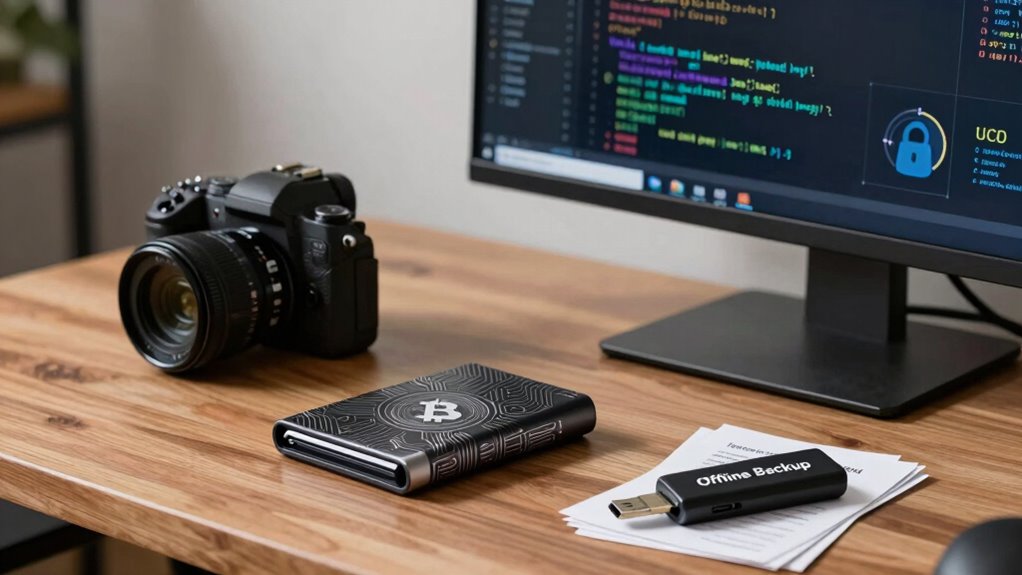

Performing firmware updates offline is essential for securing your crypto assets. Online updates expose your devices to cyber threats, increasing risk of hacks or tampering. By updating firmware offline, you keep private keys disconnected from the internet, reducing vulnerability. This method also verifies firmware authenticity via cryptographic signatures, ensuring authenticity. Regular offline updates help protect against evolving threats and maintain long-term security. Continue exploring to understand how offline updates strengthen your crypto safety even further.

Get smart everyday buys delivered free — and shop member deals
- Fast, free delivery on millions of items
- Access to Prime Big Deal Days deals on October 6–7
- Prime Video, Amazon Music and more included
Key Takeaways
- Offline updates reduce the risk of interception and tampering during firmware installation.
- They ensure firmware integrity through cryptographic verification, preventing malicious modifications.
- Offline methods protect private keys and assets from exposure during the update process.
- Regular offline updates enhance long-term resilience against emerging cyber threats.
- They provide a secure way to keep hardware wallets and cold storage devices up-to-date without online vulnerabilities.
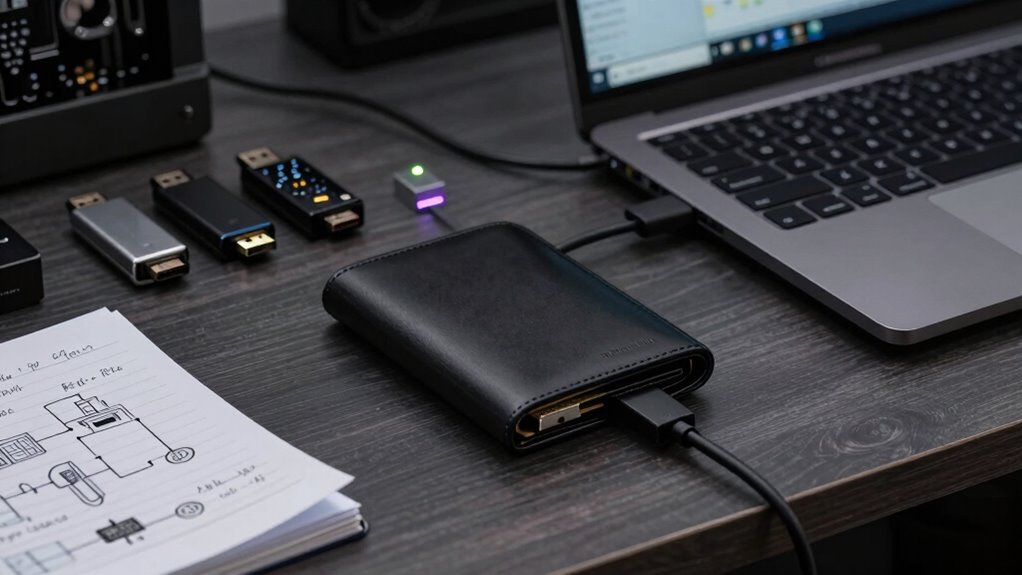
In the rapidly evolving world of cryptocurrency, staying secure often means going beyond online protections. While online security measures like strong passwords and two-factor authentication are essential, they’re not enough on their own. You need to contemplate offline strategies, especially when it comes to safeguarding your assets from hacking and malware. That’s where hardware wallets and cold storage come into play. These tools allow you to store your crypto private keys offline, away from internet-connected devices that are vulnerable to cyberattacks. By keeping your keys offline, you markedly reduce the risk of theft, hacking, or accidental exposure.
Offline storage and updates are essential for protecting crypto assets from evolving cyber threats.
But even with hardware wallets and cold storage, the need for offline updates becomes imperative. These devices and storage methods require firmware updates to patch security vulnerabilities, improve functionality, and add new features. If you only update your hardware wallet or cold storage device online, you expose yourself to risks during the update process. Hackers often target online update channels to inject malicious code or exploit vulnerabilities. This is why offline updates are a safer alternative. When you perform updates in a secure, offline environment, you eliminate the threat of interception or tampering. You can verify the firmware integrity through cryptographic signatures, ensuring that the update is genuine before applying it.
Performing offline updates might seem complex at first, but it’s a necessary step to maintain the highest level of security. You’ll typically download the firmware update onto a secure computer, verify its authenticity, and then transfer it to your hardware wallet or cold storage device via an air-gapped method—using a USB drive or SD card that has never been connected to the internet. This process ensures that no malicious code can sneak in during the update. It’s especially important for long-term cold storage solutions, where your crypto assets are meant to remain untouched for extended periods. Regular offline updates help keep your cold storage devices resilient against new threats without exposing your private keys to online vulnerabilities. Additionally, understanding and implementing proper offline update procedures further enhances your security posture. Incorporating cryptographic verification into your update process adds an extra layer of assurance that your firmware remains uncompromised. Moreover, understanding the importance of secure transfer methods can significantly reduce the risk of tampering during the update process. Recognizing the value of physical security measures can further prevent unauthorized access to your hardware during updates.
In essence, adopting offline updates is about controlling every point of entry into your crypto environment. It’s an extra layer of protection that complements your use of hardware wallets and cold storage. By updating firmware offline, you’re proactively defending your assets against evolving cyber threats, especially as cyberattacks become more sophisticated and targeted. Ensuring your firmware updates are conducted securely minimizes the risk of malicious interference. This disciplined approach might require a bit more effort, but it’s an investment in peace of mind and long-term security.
hardware crypto wallet with offline firmware updates
As an affiliate, we earn on qualifying purchases.
As an affiliate, we earn on qualifying purchases.
Frequently Asked Questions
How Do Offline Updates Prevent Hacking During the Update Process?
Offline updates prevent hacking during the process by keeping your hardware wallets and air-gapped systems disconnected from the internet. When you update offline, hackers can’t access your private keys or inject malicious code, since there’s no network connection. This isolation guarantees that even if your device is compromised elsewhere, the update remains secure, protecting your assets from remote attacks during the critical updating process.
What Are the Main Risks of Online Updates in Crypto Security?
Did you know that 60% of crypto thefts occur during online updates? Online updates expose your system to risks like man-in-the-middle attacks, malware, and compromised servers. These threats can bypass your security measures if threat detection isn’t quick or user training isn’t thorough. By updating offline, you reduce these vulnerabilities, ensuring safer transactions and protecting your assets from cybercriminals.
Can Offline Updates Be Automated Effectively?
Yes, offline updates can be automated effectively by leveraging air gapped systems and firmware verification. You can set up secure processes where updates are prepared on an isolated device, then verified before manual or automated transfer to your main system. Automation tools can handle repetitive tasks, but you must guarantee strict firmware verification to prevent malicious modifications. This approach minimizes risks, maintains security, and streamlines offline update workflows.
How Often Should Offline Updates Be Performed?
You should perform offline updates as often as your security protocols demand, which means regularly—probably daily or weekly. Irony strikes: the more frequently you update, the more secure you are, yet many overlook this, risking vulnerabilities. Maintaining a strict update frequency guarantees your system stays protected, preventing potential breaches. It’s a simple yet vital step that keeps your crypto assets safe while highlighting the importance of consistent security practices.
What Tools Are Necessary for Secure Offline Updates?
To perform secure offline updates, you need hardware wallets that support firmware upgrades. Make certain you have a secure transfer method, like a USB drive or dedicated offline device, to prevent hacking. Use encrypted storage for transfer files, verify updates on the hardware wallet directly, and avoid internet connections during the process. These tools help maintain the integrity and security of your crypto assets during offline updates.
As an affiliate, we earn on qualifying purchases.
Conclusion
By now, it’s clear that offline updates are a smart move for your crypto security. They protect your assets from online threats and give you peace of mind. Think of it as putting your eggs in a safe basket—less risk, more control. Don’t wait for a breach to wake you up; stay ahead of the game. Remember, it’s better to be safe than sorry, especially when your assets are on the line.
USB drive for secure firmware transfer
As an affiliate, we earn on qualifying purchases.
As an affiliate, we earn on qualifying purchases.
cryptographic signature verification hardware
As an affiliate, we earn on qualifying purchases.
As an affiliate, we earn on qualifying purchases.
Fall Picks
fall essentials
As an affiliate, we earn on qualifying purchases.