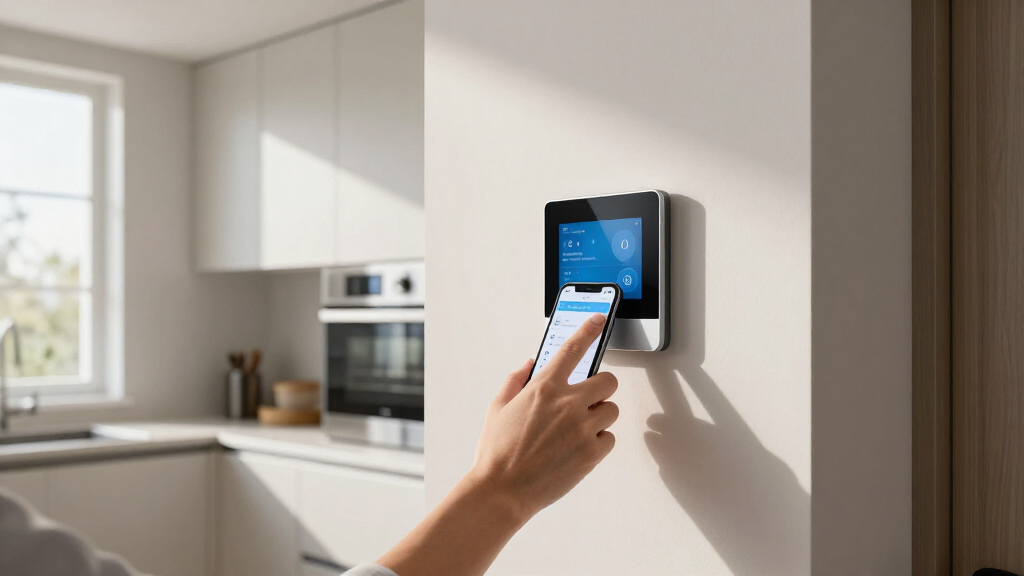

🔍 Read the full analysis: AI And Plumbing & HVAC: A New Standard For Seamless Integration on ThorstenMeyerAI.com

Get smart everyday buys delivered free with Prime
- Fast, free delivery on millions of items
- Prime Video, Amazon Music and more included
- Member-only deals all year
TL;DR
Gewerkton has launched an AI-enhanced platform that integrates plumbing and HVAC workflows more efficiently. This development aims to minimize errors, reduce project delays, and streamline maintenance, marking a significant shift in building services management.
Gewerkton has unveiled a new AI-integrated platform designed to streamline the coordination of plumbing and HVAC systems in building projects, addressing longstanding issues of uncoordinated breakthroughs and costly errors. This development marks a significant step toward digital standardization in building services, with the platform now available for pilot testing in select projects as detailed in the original analysis.
The platform leverages artificial intelligence to automatically align shafts, optimize routing, and validate wall photos before construction begins, reflecting a broader trend discussed in the original analysis of integrated building workflows. By doing so, it reduces unplanned breakthroughs, minimizes damage to rebar, and shortens leak detection times. According to Thorsten Meyer, the system’s core innovation is a real-time digital twin that tracks the status of each element, from planning to handover, ensuring all stakeholders have synchronized data, as explained in the original source.
In practical terms, the platform’s AI component analyzes construction plans, detects potential conflicts, and suggests adjustments before physical work starts. This approach has already demonstrated a dramatic decrease in uncoordinated breakthroughs—from over 40 per project down to fewer than five, according to internal testing. Additionally, it allows leak detection in existing structures within 20 minutes, compared to previous methods that could take two days, thus saving time and reducing damage.
Gewerkton’s platform also enhances maintenance workflows. It automatically generates equipment registers with maintenance intervals, which operators can import into operational calendars. Warranty deadlines and guarantee bonds are tracked digitally, reducing administrative overhead and improving post-handover service. The system’s integration into German standards such as GAEB and REB ensures compliance and regional adaptability.
Implications of AI for Construction Efficiency
This new platform represents a major advancement in digital construction management, with the potential to significantly reduce project costs and delays caused by miscoordinated work. By automating clash detection and documentation, it minimizes errors that often lead to rework and damage, thus improving profit margins for contractors. Furthermore, the ability to quickly locate leaks and streamline maintenance enhances building longevity and operational efficiency.
For building owners and operators, this means more reliable infrastructure, better documentation, and easier compliance with warranty and maintenance requirements. As the platform becomes more widely adopted, it could set a new industry standard for integrated, AI-driven workflows in building services, influencing global practices beyond Germany.
AI-powered plumbing and HVAC system tools
As an affiliate, we earn on qualifying purchases.
As an affiliate, we earn on qualifying purchases.
Background of Digital Integration in Building Services
Over the past decade, digital tools have increasingly been adopted in construction to improve coordination and reduce errors. Platforms like Gewerkton, developed by Thorsten Meyer, have aimed to unify documentation, defect management, and workflows through cloud-based solutions. However, integration between plumbing and HVAC systems has remained challenging due to complex routing, manual coordination, and inconsistent documentation.
The recent introduction of AI into this ecosystem marks a turning point, addressing previous limitations by enabling predictive clash detection, real-time updates, and automated documentation. The platform builds on prior efforts but elevates them with advanced AI analysis, promising a more seamless and error-resistant process.
“The core innovation is a digital twin that actively tracks and aligns each element before construction, drastically reducing uncoordinated breakthroughs.”
— Thorsten Meyer
building project leak detection devices
As an affiliate, we earn on qualifying purchases.
As an affiliate, we earn on qualifying purchases.
Remaining Questions About AI Integration Effectiveness
While initial testing shows promising results, it is not yet clear how the platform will perform across diverse project types and larger-scale developments. Long-term impacts on project timelines, costs, and error rates remain to be validated through wider industry adoption. Additionally, integration with existing legacy systems and user training requirements are still being evaluated.
digital twin construction management software
As an affiliate, we earn on qualifying purchases.
As an affiliate, we earn on qualifying purchases.
Next Steps for Industry Adoption and Validation
Gewerkton plans to expand pilot programs to more projects over the coming months, gathering data on performance and user feedback. Industry stakeholders will closely monitor these implementations to assess scalability and real-world benefits. Further development may include enhanced AI algorithms and broader integration with other building management systems, aiming for standardization across the sector.
automated clash detection tools for construction
As an affiliate, we earn on qualifying purchases.
As an affiliate, we earn on qualifying purchases.
Key Questions
How does the AI platform improve plumbing and HVAC coordination?
The platform uses AI to analyze plans, detect conflicts, and suggest adjustments before construction, reducing uncoordinated breakthroughs and errors.
What are the main benefits for contractors and building owners?
It decreases project delays, reduces damage and rework, speeds up leak detection, and streamlines maintenance documentation, ultimately saving costs and improving reliability.
Is this technology applicable outside Germany?
Yes, while initially aligned with German standards like GAEB and REB, the platform’s adaptable architecture allows for regional customization and potential global deployment.
What are the challenges in implementing this AI system?
Potential challenges include integrating with legacy systems, training staff, and validating long-term performance across different project types.
When will this platform be widely available?
Gewerkton is currently in pilot testing, with broader rollout expected over the next 12 to 18 months as data confirms its effectiveness.
Source: ThorstenMeyerAI.com
Fall Picks
fall essentials
As an affiliate, we earn on qualifying purchases.