

As cryptocurrencies gain mainstream acceptance, a new debate emerges over self-custody versus regulation. You’re likely to notice industry leaders emphasizing user control through secure wallets while regulators push for stricter oversight to prevent fraud and money laundering. Balancing these interests is complex: heavy regulation could compromise decentralization, but lack of oversight risks abuse. If you keep exploring, you’ll discover how this tension shapes the future of crypto security, innovation, and freedom.
Key Takeaways
- Increasing institutional adoption prompts discussions on balancing regulatory oversight with preserving self-custody rights.
- Technological innovations enhance self-custody security, challenging traditional regulatory approaches.
- Governments seek stricter KYC/AML standards, risking the erosion of decentralization and user privacy.
- Industry debates focus on protecting consumers without stifling innovation or compromising core crypto values.
- The evolving landscape requires balanced frameworks that support security, regulation, and decentralized control.

The debate over self-custody and regulation is intensifying as the cryptocurrency industry evolves. You’re likely aware that more institutions are embracing digital assets, and this shift is reshaping how regulations are approached. Institutional adoption signals a major milestone; it shows that cryptocurrencies are no longer just speculative tools but are becoming integrated into traditional finance. This growing acceptance pushes the industry toward greater legitimacy, but it also stirs debate about how much oversight is appropriate. On one hand, institutions want clear rules to protect their investments, but on the other, they value the autonomy that self-custody offers. As these entities adopt cryptocurrencies, they often lean on technological innovation—such as secure wallets, blockchain analytics, and multi-signature controls—to manage their holdings safely. These advances make self-custody more practical for large players, but they also complicate the regulatory landscape. Governments and regulators are concerned about the potential for misuse, money laundering, and fraud, which prompts calls for stricter oversight. Yet, many in the crypto community argue that heavy regulation could stifle innovation and limit the benefits of decentralization. Additionally, innovations like cryptographic security measures are enhancing the safety and practicality of self-custody solutions. You might see that technological innovation plays a pivotal role here, enabling users and institutions to maintain control over their assets while adhering to evolving legal frameworks. Self-custody solutions, like hardware wallets and decentralized key management, empower you to take responsibility for your funds without relying on third parties. These innovations also appeal to the core ethos of crypto—privacy, control, and sovereignty. But as institutions get more involved, there’s a tension between maintaining these ideals and complying with regulations designed to prevent illicit activity. Regulators are pushing for standards like KYC (Know Your Customer) and AML (Anti-Money Laundering), which could undermine the very essence of self-custody. The challenge lies in balancing the desire for security and compliance with the fundamental benefits of decentralization. As more institutional players enter the space, expect ongoing debates about how to craft rules that protect consumers without hampering innovation. You’re in the middle of this evolving landscape, where technological advancements enable better self-custody, but regulatory pressures threaten to impose constraints that could reshape the industry’s future. Understanding the importance of regulatory frameworks is crucial for navigating this complex environment.

TANGEM Wallet Pack of 2 – Secure Crypto Wallet – Trusted Cold Storage for Bitcoin, Ethereum, NFT's & More Coins – 100% Offline Hardware Wallet
THE HIGHEST LEVEL OF SECURITY: Tangem Wallet generates the private key that never leaves the card. Your crypto…
As an affiliate, we earn on qualifying purchases.
As an affiliate, we earn on qualifying purchases.
Frequently Asked Questions
How Does Self-Custody Impact Financial Privacy Rights?
Self-custody markedly impacts your financial privacy rights by reducing privacy erosion, as you control your assets directly without third-party oversight. It enhances data sovereignty, allowing you to decide what information to share and with whom. However, it also raises concerns about security and potential vulnerabilities. Overall, self-custody empowers you to protect your financial privacy, but it requires vigilance to maintain control and safeguard your assets effectively.
What Are the Main Security Risks of Self-Custody?
Self-custody is a double-edged sword, exposing you to risks if you’re not careful. You face security threats like hardware wallet theft or loss, and scams targeting private keys. Multi-signature security helps, but if you mishandle your setup or fall for phishing, your assets could vanish like smoke. Always keep backups, use reputable hardware wallets, and double-check your security measures to keep your crypto safe from harm.
How Do Different Countries Regulate Self-Custody Practices?
Different countries regulate self-custody practices through varying rules. Some require custodian oversight, ensuring professionals manage your assets securely, while others have minimal regulation, trusting individuals to safeguard their holdings. International standards aim to harmonize regulations, promoting security and transparency across borders. You should stay informed about your country’s specific rules, as compliance can affect your legal protections and the security of your self-custody methods.
Can Self-Custody Systems Prevent Cyber Theft Effectively?
Think of self-custody as a fortress guarding your digital treasure; it can effectively prevent cyber theft if you address custodial challenges and technological vulnerabilities. While it reduces reliance on third parties, it isn’t foolproof—hackers find ways around defenses. By strengthening your security measures, like using hardware wallets and strong passwords, you bolster your defenses, making cyber theft far less likely and keeping your assets safe.
What Are the Legal Liabilities of Self-Custody Holders?
As a self-custody holder, you bear the custodial responsibilities for your assets, meaning you’re liable for their security. If you lose or theft occurs, legal liabilities can arise, especially if negligence is involved. To mitigate risks, consider liability insurance and adopt best practices for safeguarding your holdings. Ultimately, you’re responsible for understanding the legal implications and ensuring your security measures comply with applicable laws.
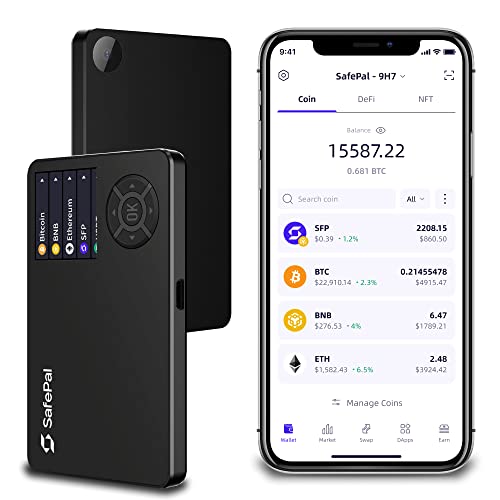
SafePal S1 Cryptocurrency Hardware Wallet, Open Source Crypto Wallet, Securely Stores Private Keys, Cold Storage for Bitcoin, Ethereum and More Tokens, NFTs, Seed Phrases & Crypto Assets
[100% off-line] SafePal S1 adopts an air-gapped signing mechanism, without any connection of Bluetooth, WiFi, NFC, or other…
As an affiliate, we earn on qualifying purchases.
As an affiliate, we earn on qualifying purchases.
Conclusion
As you consider self-custody, remember that nearly 60% of crypto holders prefer managing their assets independently, highlighting a strong desire for control. While regulation aims to protect users, it can also complicate your experience. Striking the right balance is key—empowering you without sacrificing security. Ultimately, staying informed about evolving policies helps you navigate this shifting landscape confidently, ensuring your assets remain safe while enjoying the freedom that self-custody offers.

WeHere 120-Key Smart Key Lock Box – Wall Mounted Key Cabinet Organizer with App Access, One-Time Code, Bluetooth & WiFi Unlock (Sold Separately), Key Management System for School, Rental, Office
Heavy-Duty Key Lock Box – Secure 120-Key Storage: This key lock box is made of reinforced cold-rolled steel…
As an affiliate, we earn on qualifying purchases.
As an affiliate, we earn on qualifying purchases.

Trezor Model One – The Original Cryptocurrency Hardware Wallet, Bitcoin Security, Store & Manage 1000's of Coins&Tokens, Easy-to-Use Interface, Quick & Simple Setup (White)
All-in-one hardware wallet for easy crypto security, storage & use
As an affiliate, we earn on qualifying purchases.
As an affiliate, we earn on qualifying purchases.