
TL;DR

Get smart everyday buys delivered free with Prime
- Fast, free delivery on millions of items
- Prime Video, Amazon Music and more included
- Member-only deals all year
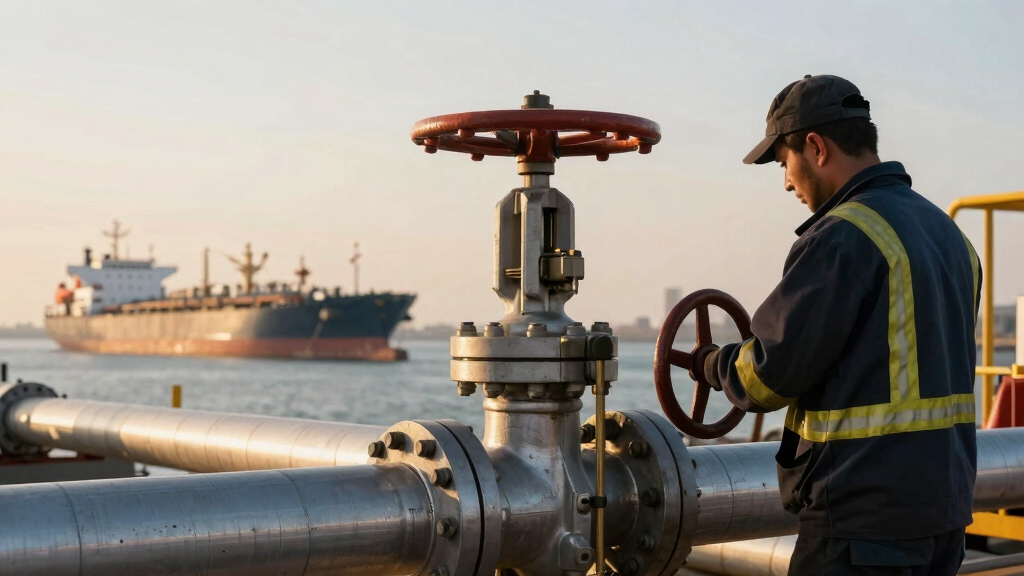
Saudi Aramco has increased exports from its Ras Tanura facility and moved to spot sales, according to industry sources. This shift indicates a strategic change in trading practices, with potential implications for global oil markets.
Saudi Aramco has increased its exports from the Ras Tanura oil terminal and has shifted to selling oil on the spot market, according to industry sources. This move signals a strategic change in how the company manages its crude sales, which could impact global oil supply and pricing dynamics.
Sources familiar with the matter told Reuters that Aramco has ramped up exports from Ras Tanura, its primary crude oil export terminal in Saudi Arabia, in recent weeks. Additionally, the company has transitioned from long-term contractual sales to more spot market transactions, allowing greater flexibility in timing and pricing.
This shift appears to be part of Aramco’s broader strategy to adapt to evolving market conditions, including fluctuating global demand and price volatility. Industry analysts suggest that the move could help the company optimize revenues and respond more quickly to market signals.
Implications of Aramco’s Export Strategy Shift
This development is significant because it indicates a strategic adjustment by Saudi Aramco in its crude oil sales approach, potentially affecting global supply flows and pricing. An increased reliance on spot sales might lead to more market-driven pricing and greater volatility, impacting importers, traders, and policymakers worldwide. It could also reflect Saudi Arabia’s response to changing demand patterns amid geopolitical and economic uncertainties.
oil trading and market analysis books
As an affiliate, we earn on qualifying purchases.
As an affiliate, we earn on qualifying purchases.
Recent Trends in Saudi Aramco’s Export Practices
Saudi Aramco has historically relied on long-term contracts for its crude oil exports, but recent months have seen signs of increased flexibility. Industry sources have noted a gradual shift towards spot sales, especially from Ras Tanura, which is one of the largest crude export facilities globally. This change aligns with broader industry trends where major producers seek to capitalize on favorable market conditions and manage inventories more dynamically.
Analysts have linked this move to recent fluctuations in global oil demand, influenced by economic recovery patterns, OPEC+ production policies, and geopolitical tensions in key regions. The timing suggests Aramco is adjusting its sales strategy to optimize revenues amid these variables.
“The company is increasing exports and moving away from fixed contracts, which reflects a broader trend among major oil producers.”
— an industry source familiar with Aramco’s operations
As an affiliate, we earn on qualifying purchases.
Details of the Export Increase and Market Impact Still Unclear
It is not yet clear how much Aramco’s exports have increased quantitatively or how this shift will affect global oil prices long-term. The exact timing, volume, and pricing strategies remain under observation, and official statements from Aramco have not been issued to confirm these details.
crude oil export tracking software
As an affiliate, we earn on qualifying purchases.
As an affiliate, we earn on qualifying purchases.
Monitoring Aramco’s Export Volumes and Market Reactions
Market analysts and industry observers will continue to monitor Aramco’s export data and pricing trends in the coming weeks. Further official disclosures from Saudi Aramco are expected, which will clarify the scale of the shift and its potential impact on global supply and pricing dynamics.
oil industry market report subscriptions
As an affiliate, we earn on qualifying purchases.
As an affiliate, we earn on qualifying purchases.
Key Questions
Why is Saudi Aramco switching to spot sales?
Sources suggest Aramco is shifting to spot sales to increase flexibility, respond to market conditions more rapidly, and optimize revenues amid fluctuating global demand.
How much has Aramco increased its exports from Ras Tanura?
Specific volumes have not been publicly confirmed; industry sources indicate a significant increase, but precise figures are still unknown.
Could this shift affect global oil prices?
Potentially, yes. Increased spot sales can lead to more market-driven pricing and volatility, impacting global supply and demand balances.
Is this a permanent change in Aramco’s sales strategy?
It remains unclear whether this is a temporary adjustment or a longer-term strategic shift. Further developments and official statements are awaited.
How might this impact Saudi Arabia’s oil revenues?
The impact on revenues depends on market conditions; increased flexibility could help optimize income, but volatility might also pose risks.
Source: google-trends
Halloween Picks
halloween
As an affiliate, we earn on qualifying purchases.