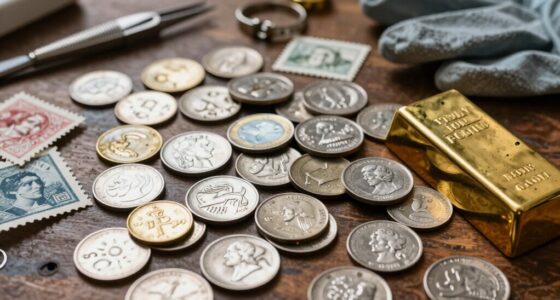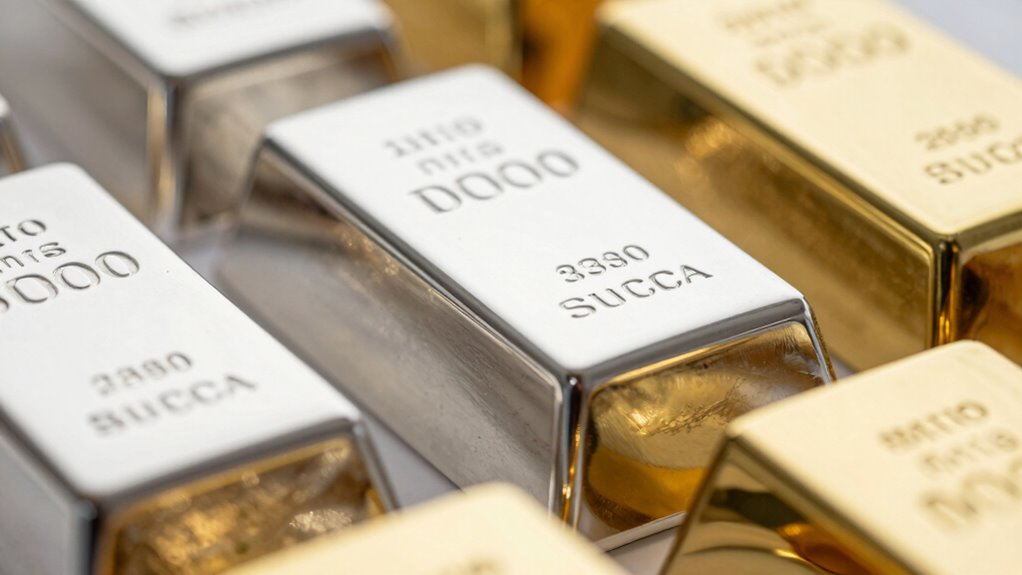

Silver shifts the precious metals conversation by adding a unique blend of industrial demand, historical significance, and market volatility. Its responsiveness to economic changes makes it a key indicator of broader market moods, while its dual role as an industrial metal and asset influences investor perception. This complexity keeps silver relevant and constantly changes how people view the overall metals landscape. If you keep exploring, you’ll uncover even more about how silver shapes this ongoing discussion.

Get smart everyday buys delivered free with Prime
- Fast, free delivery on millions of items
- Prime Video, Amazon Music and more included
- Member-only deals all year
Key Takeaways
- Silver’s historical significance and market volatility make it a dynamic factor in discussions about precious metals.
- Its dual industrial and monetary roles influence how investors perceive and value precious metals collectively.
- Silver’s sensitivity to economic shifts highlights its impact on the broader precious metals market.
- Technological advancements and industrial demand shape silver’s influence on the future of precious metals.
- Its unique position offers insights into economic health, technological progress, and investor sentiment within the sector.
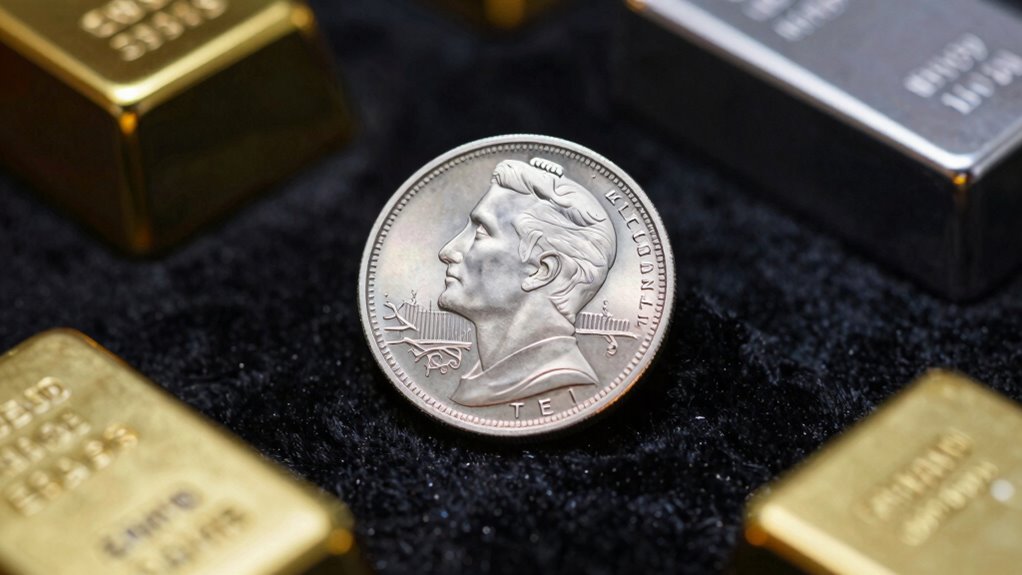
Have you ever wondered why silver remains an essential part of the precious metals conversation? It’s because silver’s role isn’t just about its shiny appearance; it’s deeply rooted in history and market dynamics that continue to influence today’s investment landscape. Over centuries, silver has been valued both for its practical uses and its monetary significance, shaping historical trends that still resonate now. This long history creates a narrative that investors and analysts find compelling, especially when compared to other metals like gold. Silver’s price movements often reflect broader economic conditions, and the way it has historically responded to market forces adds a layer of complexity to the conversation.
Market volatility is another reason silver holds such a prominent place. Unlike gold, which is often seen as a stable store of value, silver tends to be more reactive to economic shifts and investor sentiment. This heightened sensitivity means that during times of uncertainty, silver can swing dramatically in price, creating opportunities but also risks. You might notice that when stocks falter or inflation fears rise, silver prices can spike quickly, capturing attention from traders seeking quick gains. Conversely, during calmer periods of economic stability, silver’s value can stagnate or decline. This constant ebb and flow makes silver a fascinating subject in the precious metals discussion because it mirrors the broader market’s mood swings more vividly than some of its counterparts.
Furthermore, the historical trends surrounding silver show a pattern of periodic booms and busts that keep the conversation lively and unpredictable. These trends aren’t random; they’re shaped by technological advancements, industrial demand, and shifts in monetary policy. For example, the rise of digital technology and renewable energy has increased industrial demand for silver, impacting its market trends. This intertwining of industrial use and investment appeal complicates how you interpret silver’s value, making it more than just a safe haven or a speculative asset. Additionally, understanding how market volatility impacts silver prices can help investors better navigate the shifting landscape and recognize potential opportunities. Recognizing the influence of technological progress on industrial demand offers valuable insight into future market movements. As global economic conditions evolve, the interplay between historical trends and current market dynamics continues to shape silver’s unique position.
In addition, the investor sentiment surrounding silver often amplifies its market reactions, further fueling its volatility. Silver’s dual nature as both an industrial metal and a monetary asset means that shifts in public perception can significantly influence its market fluctuations. All these factors—historical trends and market volatility—highlight why silver remains so relevant in today’s precious metals dialogue. It’s not just about its shiny appeal; it’s about its dynamic history and the way its market reacts to global economic changes. Silver’s unique position as both an industrial metal and a store of value ensures it’ll continue to influence the conversation, offering insights into economic health, technological progress, and investor psychology. As you follow silver’s movement, you’re engaging with a metal that’s been a part of human history for thousands of years and continues to adapt to the ever-changing financial landscape.
As an affiliate, we earn on qualifying purchases.
Frequently Asked Questions
How Does Silver Compare to Gold in Investment Portfolios?
You’ll find silver offers a different investment balance compared to gold, often with higher volatility but greater growth potential. Including silver in your portfolio helps with risk diversification and portfolio balancing, especially during economic shifts. While gold tends to be a safer haven, silver’s lower price makes it accessible for smaller investments and can boost overall returns, making it a valuable, dynamic component of your precious metals strategy.
What Are the Environmental Impacts of Silver Mining?
Silver mining can profoundly impact the environment through habitat disruption, water pollution, and waste generation. Environmental regulations aim to reduce these effects, but some mining techniques, like open-pit mining and cyanide leaching, still pose risks. You should be aware that responsible mining practices and stricter regulations help minimize environmental damage, ensuring silver’s benefits don’t come at too high a cost to ecosystems and communities.
Can Silver Be Used Effectively as a Hedge Against Inflation?
Silver serves as a sturdy shield against soaring inflation, providing a reliable hedge amidst market volatility. Its valuation fluctuates but often rises during economic uncertainty, making it a strategic safeguard. You’ll find silver’s affordability and liquidity appealing, especially when traditional assets falter. By diversifying your portfolio with silver, you protect your purchasing power, turning turbulence into an opportunity for growth and safeguarding your savings from inflation’s insidious impact.
How Does Silver’s Industrial Demand Influence Its Market Value?
Silver’s industrial demand markedly influences its market value because it’s driven by market volatility and supply fluctuations. When industrial use rises, demand increases, boosting prices. Conversely, during economic slowdowns, demand drops, causing prices to fall. You’ll notice that silver’s value responds quickly to shifts in industrial sectors, making it more sensitive to market changes than other precious metals. This dynamic keeps silver’s market value constantly evolving, reflecting its dual role as both investment and industrial resource.
What Are the Best Ways to Store Physical Silver Securely?
To store physical silver securely, you should prioritize storage security by choosing reputable vault options or safes. Opt for a high-quality, tamper-proof safe at home if you prefer personal storage, or consider professional vault services for added security and insurance. Make sure your silver is stored in a location with controlled access, and document your holdings carefully to prevent loss or theft. Regularly review and update your security measures.
As an affiliate, we earn on qualifying purchases.
Conclusion
Imagine investing in silver during a market dip, only to see its value surge as global demand for renewable energy grows. Silver’s versatility and affordability make it a crucial element in the precious metals conversation, shifting focus beyond gold. By recognizing silver’s unique potential—whether as an investment or industrial asset—you position yourself ahead of trends. Silver isn’t just an alternative; it’s a essential part of the future’s financial and technological landscape.
As an affiliate, we earn on qualifying purchases.
As an affiliate, we earn on qualifying purchases.
Halloween Picks
halloween
As an affiliate, we earn on qualifying purchases.