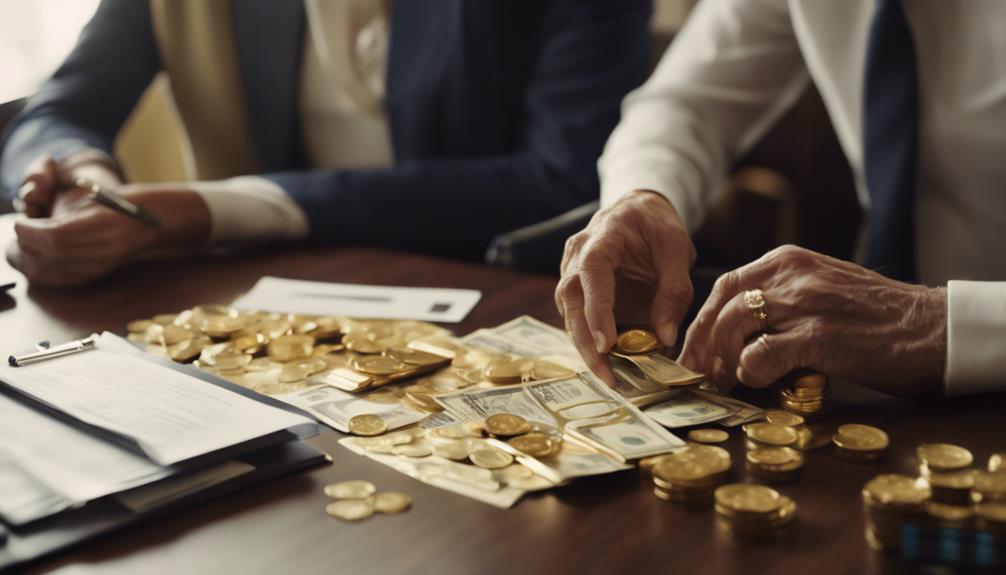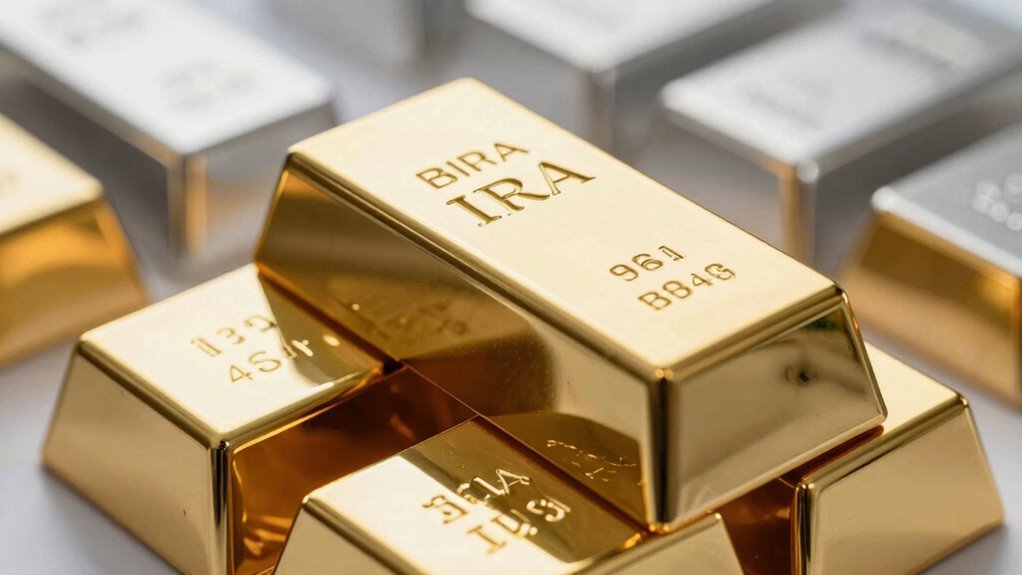

Purity standards are essential in your Precious Metals IRA because they determine the quality, legality, and market value of your holdings. Metals that meet or exceed recognized benchmarks, like 99.9% purity, are more stable and easier to sell, especially during market fluctuations. Ensuring your metals comply with these standards protects you from penalties and devaluation. If you want to discover how to maintain maximum purity and maximize your investment’s security, there’s more to learn ahead.

Get smart everyday buys delivered free — and shop member deals
- Fast, free delivery on millions of items
- Access to Prime Big Deal Days deals on October 6–7
- Prime Video, Amazon Music and more included
Key Takeaways
- Purity standards ensure metals meet legal and IRS requirements for Precious Metals IRAs.
- High purity levels help maintain stable market value and reduce devaluation risks.
- Recognized standards increase liquidity and ease of selling IRA assets.
- Purity benchmarks distinguish high-quality metals from lower-grade or impurities.
- Staying compliant with purity standards avoids penalties and asset disqualification.
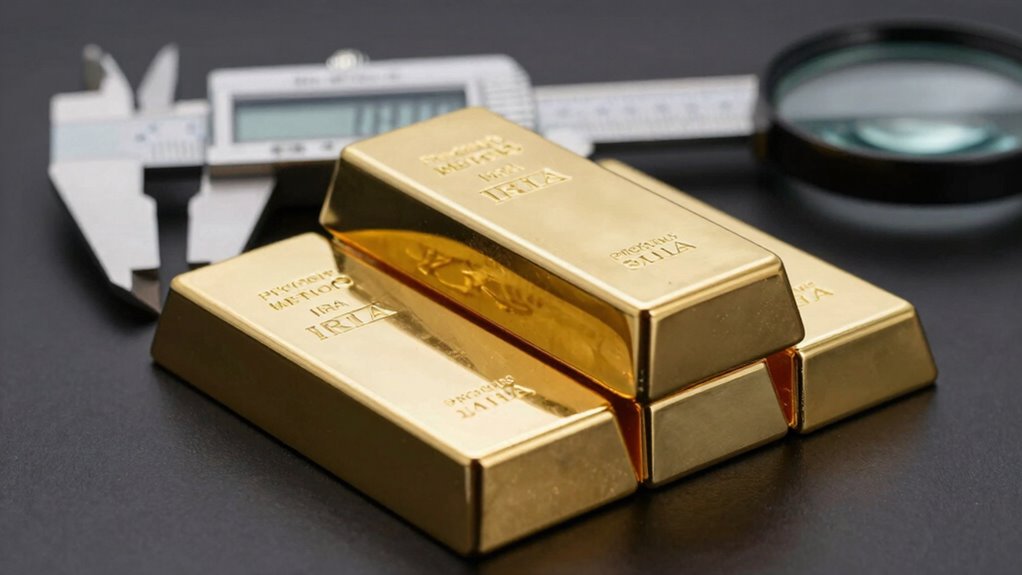
When investing in a Precious Metals IRA, understanding purity standards is essential because they directly impact the value and legality of your holdings. Purity benchmarks set the foundation for what qualifies as an acceptable investment, ensuring your assets meet regulatory requirements and maintain their worth over time. Historically, purity benchmarks have evolved, with standards like 99.9% for gold and silver becoming widely accepted. These benchmarks serve as a reference point, helping you distinguish between high-quality bullion and lower-grade metals that might look similar but hold less value. Recognizing these historical purity benchmarks allows you to make informed decisions, especially when comparing different products or considering new acquisitions for your IRA. Additionally, the technology used in manufacturing can influence the purity and overall quality of precious metals, making it another factor to consider during your evaluation process.
Market price fluctuations are another important factor tied to purity standards. Metals that meet or exceed purity requirements tend to maintain more stable prices, because their value is directly linked to their purity level. When metals fall below the accepted standards, their market price often drops markedly, even if the physical metal appears identical to higher-purity options. This volatility underscores why purity standards are vital — they help shield your investment from sudden devaluations caused by impurities or lower-grade materials. By sticking to metals that meet established purity levels, you’re better positioned to mitigate the risks associated with market price fluctuations.
Additionally, purity standards influence the legality of your IRA holdings. Regulatory agencies like the IRS specify minimum purity requirements for metals to qualify for inclusion in a Precious Metals IRA. If your metals don’t meet these standards, they risk disqualification, which could lead to penalties or the need to liquidate non-compliant assets. Consequently, understanding and verifying the purity of your metals isn’t just about maximizing value; it’s about ensuring your investment remains compliant with legal guidelines.
In addition, high purity levels enhance the liquidity of your assets. When you decide to sell, metals with recognized purity standards are more appealing to buyers, ensuring you can convert your holdings into cash more efficiently. This is especially important during market downturns or when you need quick access to funds. Ultimately, purity standards serve as a safeguard, protecting your investment from devaluation, legal issues, and liquidity problems. Staying informed about these standards, understanding their historical context, and monitoring market price fluctuations will help you build a more secure and valuable Precious Metals IRA.
As an affiliate, we earn on qualifying purchases.
Frequently Asked Questions
How Do Purity Standards Affect IRS Approval for Precious Metals IRAS?
Purity standards directly impact IRS approval for your precious metals IRA because they guarantee your metals meet specific quality criteria, which can influence tax implications and your investment’s legitimacy. If your metals don’t adhere to these standards, you might face penalties or disqualification. Additionally, high purity levels help protect your investment from market fluctuations, maintaining its value and compliance with IRS regulations.
Can Purity Standards Vary Between Different Types of Precious Metals?
Yes, purity standards can vary between different types of precious metals. You’ll find distinctions in metal alloy compositions, with gold requiring at least 99.5% purity, while silver often needs 99.9%. The purity certification process guarantees these standards are met, confirming the metal’s quality. Recognizing these differences helps you choose the right assets that comply with IRS regulations and qualify for your Precious Metals IRA.
What Are the Consequences of Investing in Metals Below Purity Standards?
Investing in metals below purity standards can lead to significant issues, like value reduction and difficulty with Metal Certification and Purity Testing. You might face challenges when selling or transferring your assets, as lower purity often means lower market value. Additionally, unverified metals could be rejected by custodians, risking your entire investment. To avoid these problems, always guarantee your metals meet established purity standards through proper testing and certification.
How Is Purity Verified for Metals in an IRA?
Think of purity verification like a knight’s shield—protecting your investment. You’re actively involved in metal authentication through trusted sources, checking for purity certification from reputable assay offices. These certifications confirm your metals meet strict standards, ensuring your IRA’s holdings maintain their value. By requiring thorough verification, you safeguard your assets, making sure each piece is genuine, pure, and compliant with IRS regulations, ultimately preserving your financial future.
Are Higher Purity Metals Always Better for IRA Investments?
Higher purity metals aren’t always better for your IRA investments. While they offer quality and stability, they can also be more expensive and less diverse, affecting your overall investment diversification. During market volatility, having a mix of purity levels might provide better protection. Focus on balancing purity standards with your financial goals, ensuring your portfolio is resilient rather than solely chasing the highest purity metals.
silver bars meeting IRS purity standards
As an affiliate, we earn on qualifying purchases.
As an affiliate, we earn on qualifying purchases.
Conclusion
In the world of precious metals IRAs, understanding purity standards isn’t just a detail—it’s the whole kit and caboodle. By paying close attention to purity, you guarantee your investment is genuine and holds its value over time. Remember, it’s better to be safe than sorry, so don’t cut corners. When you choose high-purity metals, you’re setting yourself up for a smoother ride in your retirement journey. Trust me, it pays to know what you’re getting into.
high purity precious metals IRA investment
As an affiliate, we earn on qualifying purchases.
As an affiliate, we earn on qualifying purchases.
certified pure gold coins for retirement
As an affiliate, we earn on qualifying purchases.
As an affiliate, we earn on qualifying purchases.
Halloween Picks
halloween
As an affiliate, we earn on qualifying purchases.