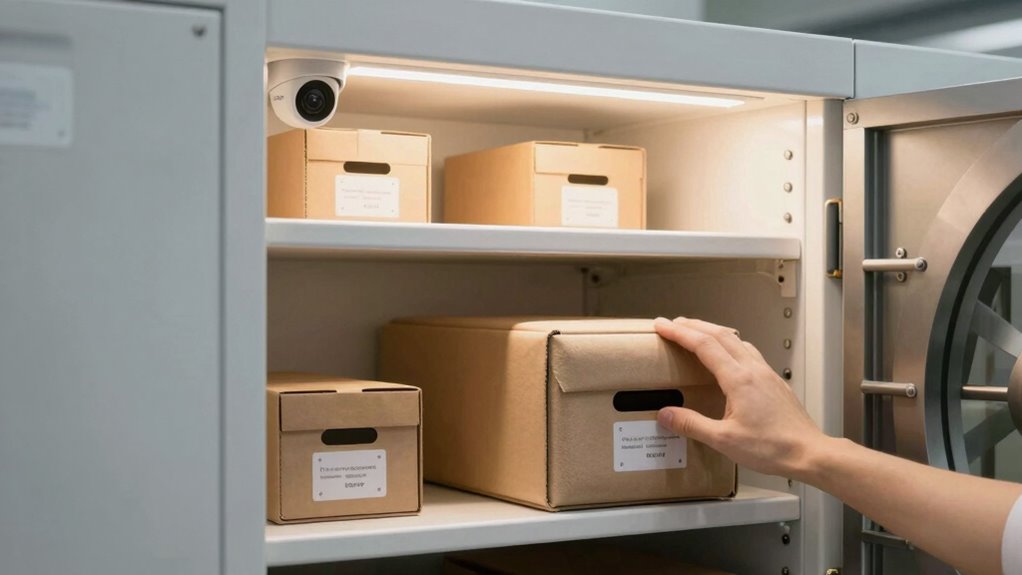

Storage insurance deserves more attention because it offers essential protection for your valuables that standard policies often miss, especially for items stored outside your home or in specialized facilities. It covers risks like theft, fire, vandalism, and natural disasters, giving you peace of mind. Understanding the importance of dedicated storage coverage helps prevent financial loss and fills gaps left by traditional policies. Keep exploring to learn how you can better safeguard your stored belongings.

Get smart everyday buys delivered free with Prime
- Fast, free delivery on millions of items
- Prime Video, Amazon Music and more included
- Member-only deals all year
Key Takeaways
- Storage insurance fills coverage gaps left by standard policies, protecting valuable physical items from risks like theft and natural disasters.
- It offers peace of mind during temporary storage, moving, or external storage outside the primary residence.
- Many traditional policies do not fully cover items stored off-site, making dedicated storage insurance essential.
- Environmental factors such as humidity and temperature can threaten stored items, requiring specialized protection.
- Proper evaluation and coverage ensure financial security against unforeseen losses of stored valuables.

Many people overlook the importance of storage insurance, even though it plays a crucial role in safeguarding your belongings against unexpected events like theft, fire, or natural disasters. When it comes to protecting your valuables, many assume that their existing insurance policies or the security of cloud storage are enough. However, traditional insurance doesn’t always cover everything, especially when it comes to stored items outside your home or in specialized storage facilities. That’s where dedicated storage insurance becomes indispensable. It’s designed specifically to cover the value of your stored belongings, giving you peace of mind that you’re financially protected if the unthinkable happens.
Storage insurance is vital for protecting valuables stored outside your home or in specialized facilities.
Cloud storage has revolutionized how you store digital data, offering a convenient, accessible way to back up important documents, photos, and files. Yet, it’s important to recognize that cloud storage isn’t a substitute for physical storage insurance. While cloud services often have their own security measures, they don’t typically cover loss or damage to physical items stored elsewhere. If you’re storing valuable physical possessions, like art, jewelry, or important documents in a storage unit, you need to think beyond digital backups. Storage insurance policies fill this gap by providing coverage tailored specifically to your stored goods, whether in a self-storage facility, warehouse, or your home. Additionally, understanding environmental stress factors like humidity and extreme temperatures can help you better protect your stored items.
You might wonder why you should bother with a separate insurance policy for storage. The truth is, standard homeowner’s or renter’s insurance policies often have limited coverage for items stored away from your primary residence. They might not fully protect items stored off-site or in commercial storage units. Storage insurance policies, on the other hand, are designed to cover these specific scenarios. They usually offer broader protection for a variety of risks, including theft, fire, vandalism, and natural disasters. Additionally, some policies provide coverage for accidental damage or loss during transport, which can be a huge relief if you’re moving valuables or storing items temporarily.
Investing in storage insurance isn’t just about protecting your belongings—it’s also about understanding your risks. By evaluating what you store, where you store it, and the value of your items, you can choose the right policy to match your needs. Don’t assume your existing insurance is enough; ask your provider about coverage limits and gaps. Knowing that your stored possessions are protected by a dedicated storage insurance policy makes a significant difference. It ensures that you won’t face financial devastation if disaster strikes, and it emphasizes the importance of carefully considering your storage security plan.
As an affiliate, we earn on qualifying purchases.
Frequently Asked Questions
How Is Storage Insurance Different From Regular Home Insurance?
Storage insurance differs from regular home insurance because it specifically covers your stored belongings in a separate storage facility under a dedicated storage policy. You can customize coverage limits based on the value of your items, ensuring better protection. While home insurance mainly protects your residence, storage insurance focuses on your stored valuables, giving you peace of mind knowing that your belongings are adequately insured against theft, damage, or loss in storage.
Are There Specific Items That Storage Insurance Doesn’T Cover?
Storage insurance often doesn’t cover specific items like valuable collectibles or perishable goods. If you’re storing rare art or expensive jewelry, check your policy because these might be excluded. Similarly, perishable items like food or plants aren’t typically protected against spoilage or decay. Always review your coverage details carefully, so you know which items are protected and consider additional insurance for valuable or sensitive belongings.
What Is the Typical Cost of Storage Insurance?
The typical cost of storage insurance varies based on your storage policy and the value of your items, but generally, premium rates range from $10 to $30 per month for basic coverage. If you’re insuring high-value items, expect higher premiums. It’s crucial to compare policies and understand what’s included, ensuring you’re adequately protected without overpaying. Always review the premium rates and coverage details before committing.
Can Storage Insurance Be Purchased for Short-Term Storage?
Think of storage insurance as a safety net—you can definitely buy it for short-term storage. Temporary coverage with flexible policy duration means you only pay for what you need, whether it’s a few days or a couple of months. Many providers offer short-term policies, so you don’t have to commit long-term. This way, your belongings stay protected without the hassle of a lengthy contract.
How Do I File a Claim With Storage Insurance?
To file a claim with storage insurance, start by reviewing your policy for specific procedures. Contact your insurance provider promptly and provide detailed evidence of the loss or damage, including photos and receipts if available. Maintain clear communication to guarantee your claim is processed efficiently. Remember, storage safety is essential, and understanding your insurance policies helps protect your belongings from unexpected events. Always keep records handy for quick claims submission.
As an affiliate, we earn on qualifying purchases.
Conclusion
In the quiet moments of life, your stored memories and valuables are like fragile whispers of your journey. Giving storage insurance the attention it deserves isn’t just about protection; it’s about cherishing the stories and treasures that define you. When you safeguard what matters most, you create a gentle safety net, allowing peace of mind to flourish quietly in the background. Sometimes, the smallest precautions can bring the greatest comfort—because your peace of mind is truly priceless.
off-site storage insurance coverage
As an affiliate, we earn on qualifying purchases.
As an affiliate, we earn on qualifying purchases.
temporary storage valuables insurance
As an affiliate, we earn on qualifying purchases.
As an affiliate, we earn on qualifying purchases.
Halloween Picks
halloween
As an affiliate, we earn on qualifying purchases.