
📊 Full opportunity report: Unlocking Digital Wellness With Cohort-Based Phone Addiction Programs on IdeaNavigator AI — validation score, market gap, and execution plan.

Get smart everyday buys delivered free with Prime
- Fast, free delivery on millions of items
- Prime Video, Amazon Music and more included
- Member-only deals all year
TL;DR
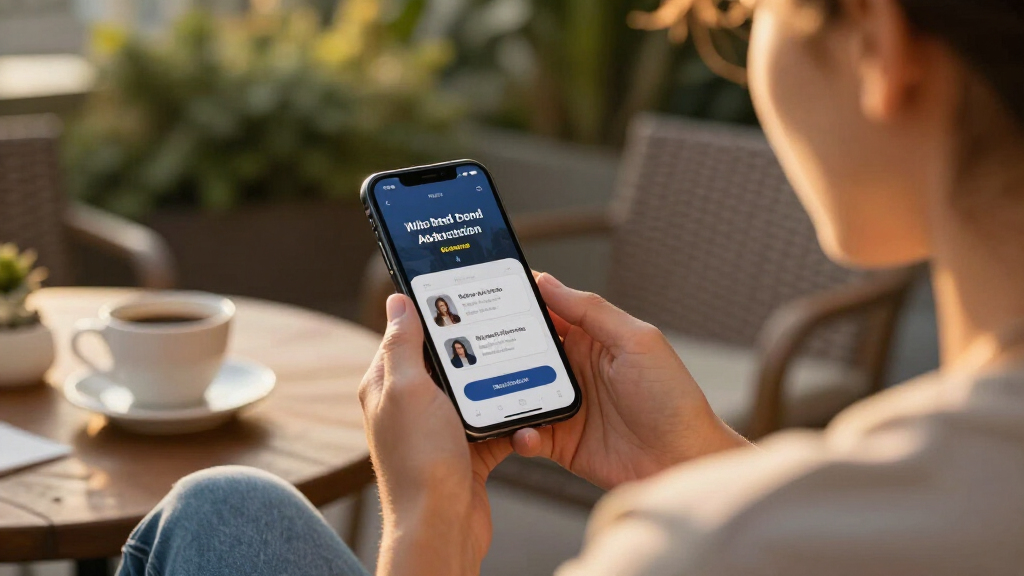
A new initiative is testing cohort-based recovery programs for adults struggling with phone addiction. These programs aim to provide structured, peer-supported recovery for those who have failed traditional blocker apps. The effort seeks to validate a scalable, affordable approach to digital wellness.
IdeaNavigator AI reports the launch of pilot cohort-based recovery programs designed specifically for adults with severe phone addiction who have already failed traditional blocker apps. These programs aim to address a significant market gap by offering structured, peer-supported recovery that combines group accountability with personalized planning. The initiative reflects a growing recognition that digital overuse requires more than simple app blockers, especially for hard-to-reverse habits.
The proposed program involves eight-week cohorts of ten adults each, with weekly facilitated sessions, daily check-ins, and personalized trigger maps and relapse prevention plans. Participants may also opt into in-group screen-time sharing, fostering accountability and mutual support. The program will culminate in ongoing alumni groups to maintain engagement and reinforce behavioral change. The model is designed to be financially sustainable, with program fees for each cohort and optional alumni subscriptions.
IdeaNavigator AI states that the initiative will run two paid pilot cohorts at a fee of $400 per participant. Success will be measured by reductions in screen time at the end of week 8 and again at week 16, along with tracking conversion rates into alumni groups. The approach aims to validate whether structured, peer-led recovery can effectively reduce problematic phone use among adults who have exhausted other interventions.
Potential Impact on Digital Wellness Market
This initiative could fill a critical gap in the digital wellness market, which currently offers ineffective or expensive solutions for severe phone addiction. By providing an accessible, community-based recovery model, it could offer a scalable alternative for adults who have failed traditional app blockers. If successful, the program may influence how behavioral health approaches address technology overuse, emphasizing peer support and structured workflows over solitary interventions.
As an affiliate, we earn on qualifying purchases.
Growing Concern Over Phone Overuse and Lack of Effective Solutions
Public concern over excessive phone use has increased, with mainstream discourse now recognizing it as a clinical issue. Existing solutions largely fall into two categories: low-cost app blockers, which users frequently override, and high-cost private coaching, which reaches only a small segment of the population. This leaves a significant portion of adults with severe habits without effective, affordable options. The infrastructure for cohort-based programs, combined with advances in screen-time APIs, creates an opportunity to develop scalable recovery models tailored to this unmet need.
Previous efforts have focused on individual interventions, but the success rate remains limited for those with entrenched habits. The new approach aims to leverage the social dynamics of group recovery, inspired by models from behavioral health, to improve engagement and outcomes among this underserved demographic.
adult screen time management tools
As an affiliate, we earn on qualifying purchases.
As an affiliate, we earn on qualifying purchases.
Uncertain Outcomes and Validation Metrics
It is not yet clear how effective the cohort-based recovery model will be at producing sustained reductions in phone use, especially among adults with deeply ingrained habits. The pilot’s success depends on participant engagement, adherence to the program structure, and the ability to measure meaningful behavioral change over time. Additionally, the scalability and long-term sustainability of the model remain to be tested.
As an affiliate, we earn on qualifying purchases.
Next Steps for Pilot Testing and Evaluation
IdeaNavigator AI reports that the two pilot cohorts are scheduled to launch within the next two months. Participants will be recruited through digital wellness channels, and outcomes will be assessed at weeks 8 and 16. Success metrics include reductions in screen time, participant retention, and conversion into alumni groups. Results from these pilots will inform potential scaling and refinement of the program, with broader rollout considered if outcomes are positive.
structured phone addiction therapy
As an affiliate, we earn on qualifying purchases.
As an affiliate, we earn on qualifying purchases.
Key Questions
How will the program measure success?
Success will be measured by reductions in screen time at weeks 8 and 16, participant engagement levels, and conversion rates into ongoing alumni groups, based on self-reported data and screen-time API analytics.
Who is the target audience for these recovery programs?
The programs are designed for adults with severe phone addiction who have already failed traditional app blockers and are seeking structured, community-based recovery support.
How much will the program cost?
The pilot cohorts will charge $400 per participant for the eight-week program, with optional ongoing alumni memberships available afterward.
What distinguishes this approach from existing solutions?
This approach emphasizes peer accountability, personalized relapse prevention, and ongoing community support, aiming to improve engagement and outcomes compared to standalone app blockers or expensive coaching.
When will results from the pilot be available?
Results are expected to be analyzed after the completion of the pilot cohorts, approximately three to four months from launch, with initial findings shared publicly shortly thereafter.
Source: IdeaNavigator AI
Fall Picks
fall essentials
As an affiliate, we earn on qualifying purchases.