
TL;DR

Get smart everyday buys delivered free with Prime
- Fast, free delivery on millions of items
- Prime Video, Amazon Music and more included
- Member-only deals all year
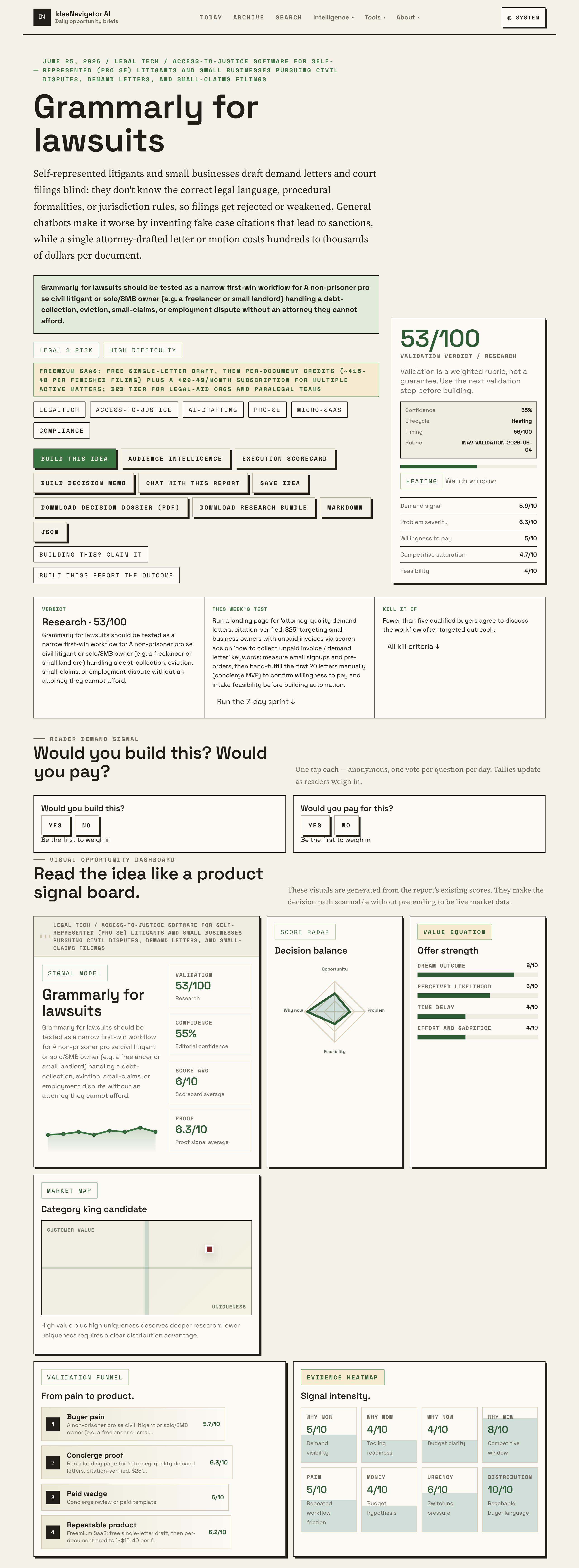
Grammarly has introduced a new AI-powered feature designed to help pro se litigants draft court filings with verified legal citations. This innovation aims to address common errors made by self-represented individuals and small businesses, potentially transforming access to justice. The tool verifies legal citations and formats documents for court submission, but its effectiveness and scope are still being tested.
Grammarly has launched a new AI-powered feature aimed at assisting self-represented litigants in drafting court documents with verified legal citations and proper formatting. This development addresses a critical need for pro se individuals and small businesses who often struggle with procedural and citation errors in civil filings, which can lead to case rejection or sanctions. The tool’s rollout represents a significant step toward improving access to justice for those without legal representation.
The new Grammarly feature is designed specifically for small-business owners, landlords, and individuals handling civil disputes such as debt collection, eviction notices, or small-claims cases. It functions as a web app where users input case details—parties involved, amount sought, relevant facts, and jurisdiction. The app then generates a formatted demand letter or court filing, which is reviewed by an integrated ‘lawsuit Grammarly’ that flags weak or missing legal elements. Crucially, it verifies every legal citation against a real legal database, preventing hallucinated or inaccurate references that could lead to sanctions or case dismissal.
According to sources familiar with the project, the tool aims to fill a gap in the legal tech market by providing attorney-quality drafting without the high costs associated with hiring legal professionals. The initial MVP focuses on a narrow use case—drafting demand letters for unpaid invoices or small-claims statements—before expanding to other document types. The SaaS platform offers a freemium model, with a free draft option and paid per-document credits ranging from $15 to $40, plus subscription tiers for multiple filings or organizational use.
Legal experts note that this tool could significantly reduce errors caused by untrained users, especially given the rise of AI-generated citations that often contain hallucinated or inaccurate references. The platform’s verification layer is designed to address this issue, which has become a prominent concern as courts experience an influx of AI-assisted filings with fabricated citations. The company behind the tool is currently testing the product with select small-business owners and legal aid organizations, with plans to expand its reach after initial validation.
Impact on Access to Justice for Self-Represented Litigants
This innovation could dramatically improve the quality of filings submitted by pro se litigants, reducing the risk of case rejection or sanctions due to citation errors or procedural mistakes. By providing verified legal citations and proper formatting, the tool aims to empower individuals and small businesses to pursue civil claims more confidently and efficiently. If successful, it could serve as a model for further AI-driven legal support tools, potentially easing the burden on courts and increasing access to justice for those unable to afford legal counsel.
Legal advocates highlight that such tools are vital as approximately 60% of civil cases in the U.S. involve self-represented parties, and errors in filings can significantly hinder case progress. The verification-first approach addresses a key weakness in current AI legal assistive technologies, which often produce hallucinated citations that can jeopardize cases. This development aligns with broader efforts to democratize legal support and reduce disparities in access to justice.
AI legal document drafting software
As an affiliate, we earn on qualifying purchases.
As an affiliate, we earn on qualifying purchases.
Rise of AI in Civil Litigation and Self-Representation Challenges
Over the past decade, the number of self-represented litigants in U.S. civil courts has steadily increased. Between 2000 and 2019, approximately 27% of federal civil cases involved a pro se party, a figure that has grown further with the rising costs of legal services and the accessibility of AI tools. Self-represented individuals often lack the training to navigate complex procedural rules and legal language, leading to frequent filing errors and case dismissals.
Meanwhile, the proliferation of AI language models has introduced new risks, notably the generation of fabricated legal citations—sometimes called ‘hallucinations’—which can mislead courts and result in sanctions. The legal tech industry has responded with tools aimed at document drafting and legal research, but many lack robust citation verification features. This gap has underscored the need for specialized tools that combine AI drafting with verified legal content, especially for vulnerable users.
The new Grammarly tool is part of this emerging trend, aiming to combine AI’s efficiency with a verification layer that ensures legal accuracy and procedural compliance, specifically tailored for the needs of pro se litigants and small businesses.
“This tool could significantly reduce errors caused by untrained users, especially given the rise of AI-generated citations that often contain hallucinated or inaccurate references.”
— an anonymous researcher
As an affiliate, we earn on qualifying purchases.
Effectiveness and Adoption of the Citation-Verification Tool
It is not yet clear how well the verification layer will perform in real-world court settings or how users will respond to the platform’s interface and usability. The initial testing phase involves a limited number of small-business owners and legal aid groups, and broader adoption depends on user feedback, regulatory considerations, and the platform’s ability to scale effectively. Additionally, the extent to which courts will accept filings generated through this tool remains to be seen, as procedural standards vary across jurisdictions.
court document formatting software
As an affiliate, we earn on qualifying purchases.
As an affiliate, we earn on qualifying purchases.
Next Steps for Testing and Expanding the Platform
The company behind the tool plans to conduct pilot programs with select legal aid organizations and small-business clients over the coming months. These pilots will focus on refining citation verification accuracy, user experience, and integration with court filing systems. Pending positive results, the platform could expand to support additional document types and broader jurisdictions. Further, legal advocates and court officials are expected to monitor its impact on filing quality and error rates, potentially influencing future court rules and technology adoption policies.
self-represented litigant legal aid tools
As an affiliate, we earn on qualifying purchases.
As an affiliate, we earn on qualifying purchases.
Key Questions
Can this tool replace attorneys for civil filings?
No, the tool is designed to assist self-represented litigants by improving document accuracy and citation verification. It is not a substitute for legal advice or representation.
Will courts accept filings generated by Grammarly’s new tool?
This remains uncertain. Acceptance depends on jurisdiction-specific rules and the tool’s compliance with court formatting standards. Court approval will likely evolve as the platform proves its reliability.
Is the platform available now?
The platform is currently in testing with select users. A broader rollout is expected later in 2024, following pilot program evaluations.
How much will the service cost?
The basic draft will be available for free, with additional documents costing approximately $15 to $40 each. Subscription plans for ongoing use will also be offered, ranging from $29 to $49 per month.
What types of legal documents can it support?
Initially, the focus is on demand letters and small-claims filings, but future versions may support other civil court documents as the platform develops.
Source: IdeaNavigator AI
Halloween Picks
halloween
As an affiliate, we earn on qualifying purchases.