
TL;DR
Listen free for 30 days with Audible
Thousands of audiobooks and originals — cancel anytime.
Start your free trialAs an affiliate, we earn on qualifying purchases.
In 2026, the market features seven leading AI-driven noise cancelling headphones, with options ranging from premium to budget-friendly. These models excel in noise reduction, sound quality, and comfort, making them suitable for various needs.
Seven leading brands have introduced new AI-driven noise cancelling headphones for 2026, emphasizing enhanced noise reduction, sound quality, and user comfort. These developments reflect ongoing innovation aimed at consumers seeking immersive listening experiences and effective ambient noise control, making this a significant update for audio technology enthusiasts and frequent travelers alike.
The top seven models include the Bose QuietComfort 45, Apple AirPods Pro 3, Sony WH-1000XM5, Sennheiser Momentum 4, Bang & Olufsen Beoplay H95, Soundcore Life Q30 II, and JBL Club One. All incorporate the latest AI-powered noise cancelling algorithms, with improvements in external noise detection and adaptive sound profiles. The Bose QuietComfort 45 remains the overall leader for its balanced sound and comfort, while the Apple AirPods Pro 3 stands out for portability and seamless ecosystem integration. Sony’s WH-1000XM5 continues to be praised for its customizable sound and effective noise cancellation, and Sennheiser’s Momentum 4 offers high-fidelity audio with advanced noise reduction features. The Bang & Olufsen Beoplay H95 combines luxury design with top-tier noise cancelling, whereas the Soundcore Life Q30 II provides a budget-friendly option with respectable performance. JBL’s Club One emphasizes durability and powerful sound for active users. All models feature improved battery life, with some offering over 30 hours of continuous use, and incorporate AI to optimize noise cancelling based on environment and user preferences.
The 7 picks
- 1
 Bose QuietComfort Headphones – Wireless Bluetooth Over Ear Noise Cancelling w…View on Amazon →
 - 2
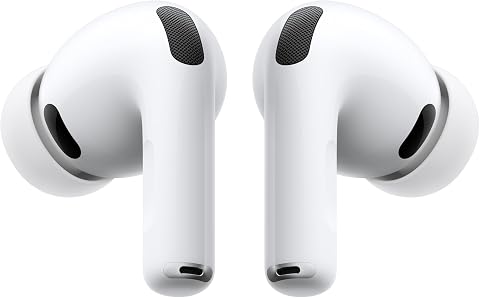 Apple AirPods Pro 3 Wireless Earbuds with Active Noise CancellationView on Amazon →
 - 3
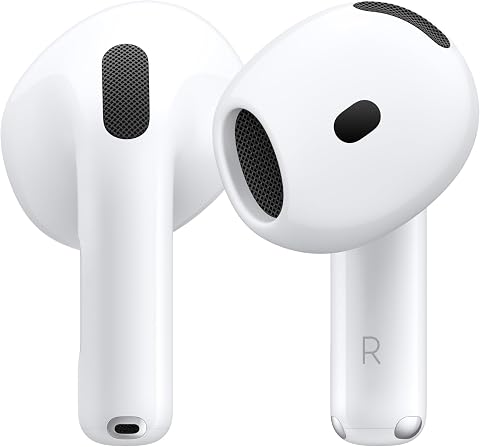 Apple AirPods 4 Wireless Earbuds with Active Noise CancellationView on Amazon →
 - 4
 Sony WH-CH720N Wireless Noise Cancelling Over-Ear Headphones, BlackView on Amazon →
 - 5
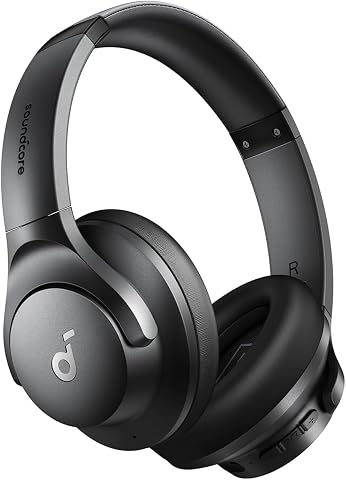 Soundcore by Anker Q20i Hybrid Active Noise Cancelling Headphones, BlackView on Amazon →
 - 6
 Hybrid Active Noise Cancelling Bluetooth Headphones Wireless HeadphonesView on Amazon →
 - 7
 Bluetooth Headphones with Active Noise Cancelling, Over-Ear, Foldable, WirelessView on Amazon →
Why These Headphones Matter in 2026
The introduction of these AI-driven noise cancelling headphones signifies a leap forward in audio technology, offering users more personalized, effective noise reduction and superior sound quality. As remote work, travel, and immersive entertainment become more prevalent, these devices address the demand for comfort, portability, and advanced features. They also reflect ongoing competition among top brands to deliver smarter, more adaptive audio experiences, shaping consumer expectations for future products.
Evolution of Noise Cancelling Headphones Leading to 2026
The market for noise cancelling headphones has steadily evolved over the past decade, with major brands investing heavily in AI and machine learning to enhance performance. Early models focused on basic active noise cancellation, but recent innovations incorporate adaptive algorithms that adjust in real-time to ambient noise levels. The 2026 lineup builds on this foundation, integrating AI for more precise environmental detection, personalized sound profiles, and longer battery life. Previous models, such as the Sony WH-1000XM4 and Bose QC35, set the stage for these advancements, with newer releases refining these features further. The trend indicates a growing consumer preference for smarter, more comfortable devices capable of seamlessly blending into daily life, whether commuting, working remotely, or relaxing at home.
Unresolved Questions About 2026 Headphone Models
While these models boast advanced AI features and improved noise cancellation, it remains unclear how they perform in extreme environments or over extended periods. Real-world testing is ongoing, and user feedback will better reveal durability, comfort, and true noise reduction capabilities. Additionally, the long-term software stability and AI adaptability are still being evaluated, with some skepticism about how well these features will evolve through software updates.
Upcoming Developments in AI Noise Cancelling Tech
Manufacturers are expected to continue refining AI algorithms, focusing on real-time environmental awareness and personalized sound profiles. Future models may incorporate more biometric sensors for health monitoring and further integration with smart home systems. Consumer feedback from the current lineup will influence next-generation designs, with a likely emphasis on even longer battery life, lighter weight, and enhanced durability. Market availability of these models will expand as brands ramp up production and distribution channels throughout 2026.
Key Questions
Will these headphones block out all sounds?
While these models significantly reduce ambient noise, no headphones can eliminate all sounds, especially sudden or high-frequency noises. Effectiveness varies with the quality of AI algorithms and fit.
Are AI noise cancelling headphones safe for long-term use?
Yes, they are generally safe if worn comfortably and used at moderate volume levels. Some models include ambient sound modes to stay aware of surroundings, enhancing safety during outdoor use.
How much should I expect to spend on a high-quality AI noise cancelling headphone in 2026?
Prices vary widely, with premium models costing between $300 and $600, while budget-friendly options start around $100. The choice depends on desired features and performance levels.
Will AI features improve over time?
Yes, ongoing software updates and AI refinement are expected to enhance noise cancellation, sound personalization, and adaptive features, making future models smarter and more responsive.
Source: ThorstenMeyerAI.com
NFL season / tailgating Picks
team gear
As an affiliate, we earn on qualifying purchases.