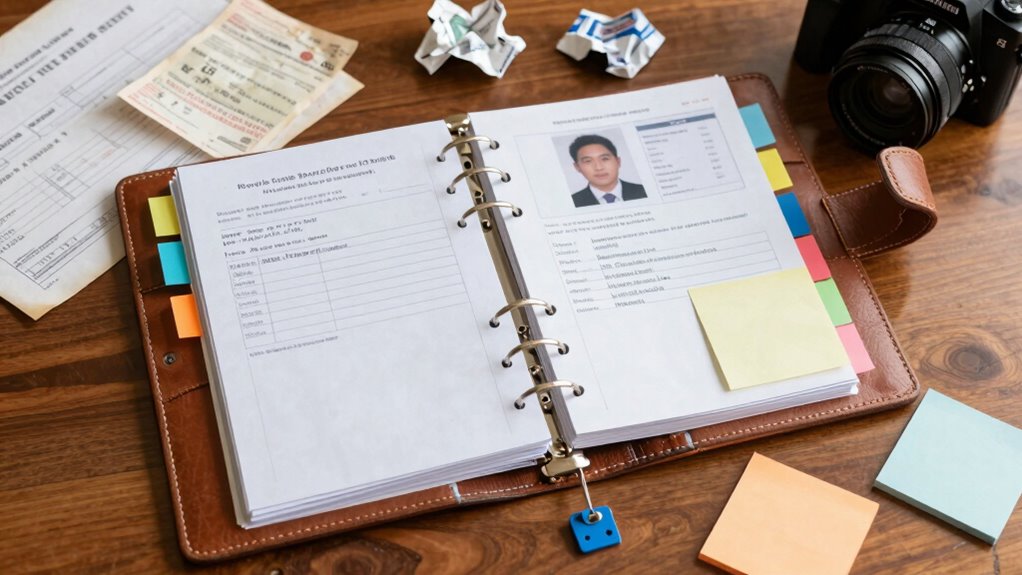

In your beneficiary binder, you should include current beneficiary designations, legal documents like wills and trusts, and a detailed asset list with relevant documentation. Keep contact info for financial institutions and plan administrators. Avoid outdated or unnecessary details, such as expired policies or old versions of documents. Regular updates are essential to prevent errors and guarantee smooth estate management. Stick around to discover more tips for organizing your beneficiary information effectively.
Key Takeaways
- Include current beneficiary designations, legal documents, and asset listings; exclude outdated or incomplete forms.
- Store copies of wills, trusts, powers of attorney, but avoid drafts or unexecuted documents.
- Keep contact info for financial institutions and plan administrators; do not include sensitive login credentials.
- Incorporate personal touches or cultural artifacts separately; avoid cluttering the legal and financial sections.
- Regularly review and update the binder, removing obsolete documents to ensure accuracy and clarity.
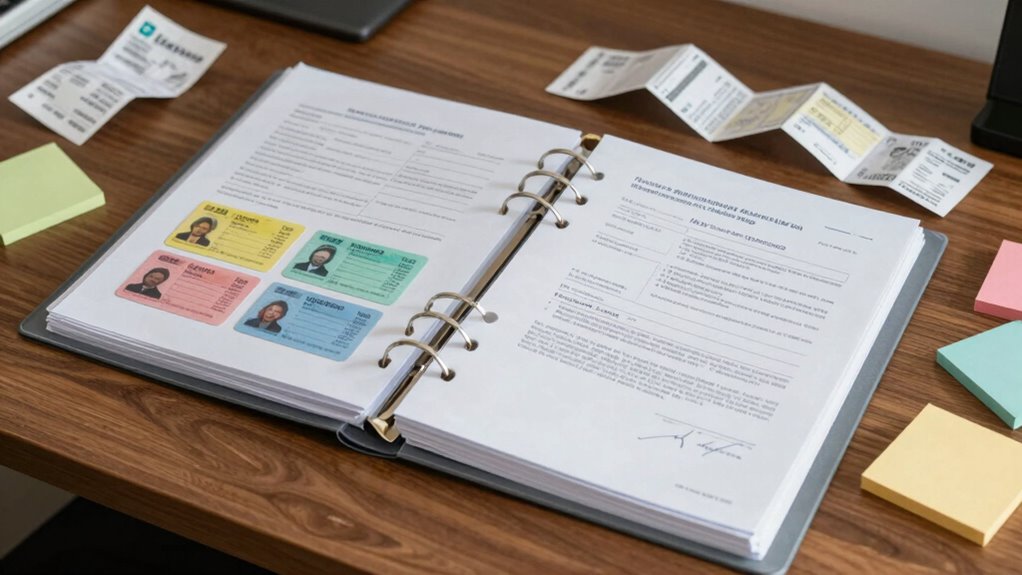
Creating a beneficiary binder is an essential step in guaranteeing your assets are protected and distributed according to your wishes. When you’re assembling this significant document, you want to include all relevant information that clearly identifies your beneficiaries and details about your assets. One of the key areas to focus on is your retirement accounts. Regularly updating your retirement account information is indispensable, especially if your circumstances change—like marriage, divorce, or the birth of a child. Failing to keep these updates current can lead to beneficiary designation errors, which might cause your assets to go to unintended recipients or get stuck in probate. Your binder should contain copies of the latest beneficiary designations from your retirement plan providers, along with notes on when they were last reviewed and any recent updates you’ve made.
Beyond retirement accounts, you should include an exhaustive list of all other assets, such as life insurance policies, bank accounts, investment accounts, real estate, and personal property. For each asset, gather documentation like policy statements, account numbers, and contact information for financial institutions. This guarantees your beneficiaries will have easy access to the necessary details when the time comes. It’s also a good idea to keep copies of legal documents like wills, powers of attorney, and trusts, if you have them. These documents clarify your intentions and can help prevent disputes among your heirs. Additionally, maintaining proper documentation of beneficiary designations can prevent errors and ensure your estate plan is executed smoothly. Keeping your beneficiary designations up-to-date and organized is crucial to avoiding potential complications in the future. Regular reviews of these designations are an important part of estate planning to adapt to life changes and legal requirements, and understanding the beneficiary designation process can further streamline your estate management. Incorporating Indonesian decor masks and other cultural artifacts can also add a personal and meaningful touch to your legacy.

Peace of Mind Planner, Spiral End of Life Planner with Tabs for Senior, Guided Estate Planning Organizer for Final Arrangements & Important Affairs, 7.9"x10.4", Flower
ORGANIZE ALL YOUR IMPORTANT INFORMATION: This estate planning organizer with tabs covers 16 different components that encompass all…
As an affiliate, we earn on qualifying purchases.
As an affiliate, we earn on qualifying purchases.
Frequently Asked Questions
How Often Should I Review My Beneficiary Binder?
You should review your beneficiary binder at least once a year or whenever you experience major life changes, like marriage, divorce, or the birth of a child. Regular estate planning reviews ensure your beneficiary updates reflect your current wishes. Staying proactive helps prevent confusion or disputes later. Set reminders to check and update your beneficiary designations, so your estate plan stays aligned with your goals and circumstances.
Can I Include Digital Copies of Documents?
Yes, you can include digital copies of documents in your beneficiary binder. Using digital storage makes access easy and efficient, especially when stored securely in the cloud. Just guarantee cloud security measures are in place—strong passwords, encryption, and trusted platforms—to protect sensitive information. Digital copies can serve as backups, providing peace of mind and quick access during emergencies, making your beneficiary binder both thorough and convenient.
What if My Beneficiary Details Change Frequently?
If your beneficiary details change frequently, you should regularly update your beneficiary information and keep records of these Beneficiary updates. Store the latest details securely in digital storage, making adjustments as needed, and verify your beneficiary binder reflects the most current data. This way, you avoid confusion or delays, and your estate planning remains accurate. Regular reviews help keep your records up-to-date and accessible when you need them most.
Should I Include Funeral and Burial Preferences?
Yes, you should include funeral preferences and burial details in your beneficiary binder. Imagine your loved ones opening it, searching for guidance during a difficult time. Clear funeral preferences can ease their burden and ensure your wishes are honored. By documenting burial details now, you help prevent confusion or disagreements later. Don’t leave these important decisions to chance—your thoughtful inclusion provides peace of mind when it matters most.
How Secure Is My Beneficiary Binder?
Your beneficiary binder is quite secure if you use proper binder organization and store it in a safe, easily accessible location. Keep your beneficiary documentation up-to-date and consider using password protection or encryption if stored digitally. Regularly review and update your binder to guarantee all information remains accurate. Sharing access only with trusted individuals can also enhance security, giving you peace of mind that your beneficiary information stays protected.

30Pcs Blue Estate Planning Documents Pocket Folders 9x12inch Estate Planning Portfolio Estate Planning Documents Estate Planning Organizer,Real Estate Folders for Legal Professionals
What You Will Get: 30pcs Estate Planning Documents Pocket Folders, giving you space for your documents, They are…
As an affiliate, we earn on qualifying purchases.
As an affiliate, we earn on qualifying purchases.
Conclusion
Keep your beneficiary binder organized and up-to-date, including essential documents like policies, contact info, and legal papers. Don’t clutter it with unnecessary items or outdated info—that’s like trying to find a needle in a haystack. Remember, a well-maintained binder is your safety net, ready when you need it most. As the saying goes, “A stitch in time saves nine”—stay proactive, and your future will be secure and stress-free.

Retirement Planning for Beginners: A Comprehensive Guide to Building Savings, Maximizing Income, and Achieving Financial Security for Your Golden Years (Financial Planning Essentials Book 1)
As an affiliate, we earn on qualifying purchases.
As an affiliate, we earn on qualifying purchases.

Bankers Box 12 Pack Standard Duty File Storage Boxes, Standard Assembly, Removable Lid, Letter/Legal (0071301)
Reliable Storage for Everyday Use: These cardboard file boxes with lids are perfect for everyday storage – ideal…
As an affiliate, we earn on qualifying purchases.
As an affiliate, we earn on qualifying purchases.