
Investment tracking tools are essential for anyone looking to monitor and grow their portfolio effectively. The best options balance ease of use, detailed analytics, and affordability. The Ultimate Investment Portfolio Tracker stands out for its comprehensive features, while Dividend Portfolio Tracker excels for income-focused investors. However, many options come with tradeoffs like complexity versus simplicity or cost versus features. Continue reading for a detailed breakdown of these tools, including what makes each unique and who should consider each one.

Get smart everyday buys delivered free with Prime
- Fast, free delivery on millions of items
- Prime Video, Amazon Music and more included
- Member-only deals all year
Key Takeaways
- The most versatile tools offer both manual entry and automatic data sync, catering to different user preferences.
- Price and feature set often correlate, with premium options providing advanced analytics but at a higher cost.
- Beginners benefit most from simple, guided tools, whereas seasoned investors need detailed performance metrics.
- Many tools are tailored to specific investment types, such as dividends, crypto, or long-term holdings, influencing choice.
- Tradeoffs between ease of use and customization frequently determine the best fit for individual investors.
| Stock Portfolio Tracker |  | Best for Basic Stock Monitoring and Growth Tracking | Purpose: Monitor stock investments and growth over time | VIEW LATEST PRICE | See Our Full Breakdown | ||
| Financial Investment Trade Tracker for Ladies |  | Best for Women Seeking a Physical Trade Log with Clear Layout | Size: 8.5×11 inches | Pages: 105 | VIEW LATEST PRICE | See Our Full Breakdown | |
| Trading Journal: Stocks, Forex, Options, and Crypto Trading Log Book for Organized Traders |  | Best for Multi-Market Traders Who Need Extensive Record-Keeping | Trade Capacity: Up to 1,000 trades | Markets Covered: Stocks, Forex, Options, Crypto | VIEW LATEST PRICE | See Our Full Breakdown | |
| Investment Tracking Journal: Great for Beginners, Track Your Portfolio, 155 Pages |  | Best for New Investors Starting Their Portfolio Journey | Pages: 155 | Intended Audience: Beginners | VIEW LATEST PRICE | See Our Full Breakdown | |
| Dividend Portfolio Tracker: Investment Log Book for Growth Investors |  | Best for Growth Investors Focused on Dividend Income | Focus: Dividend stocks, yields, payouts, DRIP | VIEW LATEST PRICE | See Our Full Breakdown | ||
| The Ultimate Investment Portfolio Tracker |  | Best Overall for Comprehensive Portfolio Management | Investment Monitoring: Comprehensive | User Interface: Not specified | Customization Options: Limited | VIEW LATEST PRICE | See Our Full Breakdown |
| Stock Portfolio Tracker |  | Best for Stock Investors Focused on Growth Strategy | Asset Focus: Stocks | Trade Tracking: Yes | Dividend Support: Not specified | VIEW LATEST PRICE | See Our Full Breakdown |
| Investment Portfolio & Asset Allocation Tracker: Stock Market & ETF Logbook |  | Best for Diversified Asset Management | Asset Types: Stocks, ETFs | Dividend Tracking: Supported | Interest Calculation: Included | VIEW LATEST PRICE | See Our Full Breakdown |
| Stock Market Trading Journal: Track Profit/Loss, Avoid Mistakes, Investment Tracker for Stocks, Futures, Options, Forex, and Commodities |  | Best for Active Traders Across Markets | Markets Covered: Stocks, Futures, Options, Forex, Commodities | Trade Recording: Yes | Mistake Tracking: Supported | VIEW LATEST PRICE | See Our Full Breakdown |
| Long-term Investment Logbook |  | Best for Basic Long-Term Portfolio Tracking | Format: Paper logbook | Transaction Recording: Yes | Performance Monitoring: Basic | VIEW LATEST PRICE | See Our Full Breakdown |
| Long-Term Investment Logbook: Track Your Portfolio |  | Best for Simple Long-Term Portfolio Management | Format: Paper-based | Pages: Not specified | Intended Use: Long-term investment tracking | VIEW LATEST PRICE | See Our Full Breakdown |
| My Investment Logbook: All Investment and Financial Track Records in One Place |  | Best for Comprehensive Manual Financial Record Keeping | Format: Paper-based | Pages: Not specified | Coverage: All investment types | VIEW LATEST PRICE | See Our Full Breakdown |
| Financial Investment Trade Tracker: Ledger with Easy-to-Read Print for Recording Market Trades |  | Best for Organized Trade Recording Across Multiple Market Types | Size: 8.5×11 inches | Pages: 105 | Includes: Bonus balances pages | VIEW LATEST PRICE | See Our Full Breakdown |
| Investment Planner: 365-Day Guide to Smart Investing and Portfolio Management |  | Best for Structured Year-Round Investment Planning | Duration: 365 days | Coverage: Stocks, bonds, real estate | Format: Paper planner | VIEW LATEST PRICE | See Our Full Breakdown |
| Investment Tracker: Log Every Trade, Analyze Performance, Grow Your Portfolio |  | Best for Active Traders Focused on Performance Analysis | Format: Paper-based | Pages: Not specified | Features: Trade logging, performance analysis | VIEW LATEST PRICE | See Our Full Breakdown |
More Details on Our Top Picks
Stock Portfolio Tracker
This simple tool is designed for investors who want a straightforward way to monitor their stock investments over time. Compared to more comprehensive options like the Dividend Portfolio Tracker, it lacks detailed tracking features but offers a clear focus on growth measurement. Its minimalistic approach means it’s easy to use but misses out on analysis tools that could help refine strategies. It’s ideal for investors just beginning to track their stocks without the distraction of complex features. However, those seeking detailed analytics or digital integration will find it limited. Best for beginners or those needing a quick, no-fuss overview of stock performance.
Pros:- Simple interface for easy tracking of stock investments
- Focuses on investment growth over time
- Helps improve basic investment strategies
Cons:- Lacks detailed features or analytics tools
- No user reviews or ratings to gauge reliability
Best for: Investors looking for a simple, no-frills stock tracking tool for basic growth monitoring
Not ideal for: Experienced traders or those wanting detailed analysis, as it offers no insights or advanced features
- Purpose:Monitor stock investments and growth over time
Our verdict“Best suited for beginners or investors needing a straightforward stock growth tracker without extra features.”
Financial Investment Trade Tracker for Ladies
This ledger provides a tailored solution for women to easily record trades across various investment types, including stocks, bonds, and ETFs. Compared with digital tools, it offers simplicity and ease of use, especially for those who prefer physical recordkeeping. Its large 8.5×11-inch format with clear print makes tracking quick and accessible, but it doesn’t include analysis features or digital integration, limiting its use for advanced traders. It’s ideal for beginners or casual investors who want a tangible way to stay organized. More sophisticated traders or those seeking automatic tracking should look for digital options instead. Best for women who prefer manual recording and straightforward organization.
Pros:- Easy-to-read print simplifies quick recording
- Supports multiple investment types in one place
- Compact and portable for convenience
Cons:- Limited to manual trade recording, no analysis or automation
- No digital or app features included
Best for: Women new to investing or those who favor paper-based tracking for multiple investment types
Not ideal for: Active traders needing real-time analysis or digital tools, as this is purely a physical ledger
- Size:8.5×11 inches
- Pages:105
Our verdict“Ideal for women seeking a simple, physical trade record book without digital complexities.”
Trading Journal: Stocks, Forex, Options, and Crypto Trading Log Book for Organized Traders
This journal is tailored for traders managing multiple markets, supporting up to 1,000 trades across stocks, forex, options, and crypto. Compared with the Investment Tracking Journal for beginners, it offers a broader scope suited for active traders who need comprehensive record-keeping. Its support for various markets helps improve discipline and performance tracking, but the lack of detailed specifications and limited descriptions of features might leave users uncertain about its full capabilities. It’s best for dedicated traders aiming to keep detailed logs across different trading platforms. Less suitable for casual investors or those seeking digital tools with automation. Best for experienced traders needing extensive, multi-market trade organization.
Pros:- Supports recording up to 1,000 trades
- Ideal for multiple trading markets (stocks, forex, options, crypto)
- Helps improve trading discipline through detailed logs
Cons:- No detailed product specifications provided
- Limited information on additional features or analysis tools
Best for: Active, multi-market traders seeking a dedicated, detailed trading log
Not ideal for: Beginner investors or those looking for a simple investment journal, as it targets advanced traders with complex needs
- Trade Capacity:Up to 1,000 trades
- Markets Covered:Stocks, Forex, Options, Crypto
Our verdict“Designed for seasoned traders who need a comprehensive, multi-market trade journal to improve discipline and performance.”
Investment Tracking Journal: Great for Beginners, Track Your Portfolio, 155 Pages
This journal is crafted for those new to investing, offering a substantial 155 pages for organizing and tracking a beginner’s portfolio. Compared with digital tools or more advanced logs like the Dividend Portfolio Tracker, it provides a simple, paper-based approach suitable for learning the basics of portfolio management. Its ease of use and generous space make it a practical starting point, but the lack of digital features or detailed content may limit its growth potential for more experienced investors. Its straightforward format makes it ideal for beginners but less suitable for those wanting automation or in-depth analysis. Best for beginners who want a simple, organized way to track their early investments.
Pros:- Easy to use for beginners
- Provides ample space with 155 pages for organization
- Helps establish good investment tracking habits
Cons:- Limited information on features or content beyond basic recording
- No digital or automation capabilities
Best for: New investors seeking an easy, manual way to organize and monitor their portfolios
Not ideal for: Experienced investors or those wanting digital tracking and detailed analysis, as it offers only basic recording space
- Pages:155
- Intended Audience:Beginners
Our verdict“Perfect for beginners needing a straightforward, physical journal to start organizing their investment journey.”
Dividend Portfolio Tracker: Investment Log Book for Growth Investors
This log book caters specifically to growth investors who prioritize dividend income, providing detailed tracking of yields, payouts, and DRIP performance. Compared with general investment journals like the Investment Tracking Journal, it offers specialized insights into dividend management, supporting long-term income growth. Its focus on dividend metrics makes it invaluable for income-focused investors but limits its applicability for those seeking a broader investment overview. The absence of digital features or detailed specifications might restrict its use for tech-savvy users. It’s best suited for dedicated dividend investors managing a sizable dividend portfolio. Less appropriate for investors focused on growth strategies without dividend emphasis. Ideal for investors committed to maximizing dividend income and tracking payouts meticulously.
Pros:- Provides comprehensive tracking of dividend yields and payouts
- Helps monitor DRIP performance and long-term income
- Supports managing growth through dividend management
Cons:- Lacks detailed specifications or additional features
- No digital or app integration for automation
Best for: Growth investors focused on dividend stocks and income streams
Not ideal for: Investors seeking a general investment tracker or digital tools, due to its specialized focus and lack of tech integration
- Focus:Dividend stocks, yields, payouts, DRIP
Our verdict“Designed for dedicated dividend investors who want to meticulously manage and monitor their income streams over time.”
The Ultimate Investment Portfolio Tracker
This tracker stands out for its all-in-one approach to monitoring investments, helping users optimize returns and grow wealth efficiently. Compared with simpler tools like the Long-term Investment Logbook, it offers a more integrated view of assets, though it lacks detailed specifications and user feedback, which could raise concerns for those seeking in-depth customization. This makes it ideal for investors who want a centralized solution without fussing over granular details, but less suitable for users needing extensive customization or detailed analytics. Its strengths lie in broad wealth management, ease of use, and fundamental investment tracking. However, the absence of detailed specs and reviews means buyers should consider whether they need more transparency or advanced features.Pros:- Helps track investments and maximize returns
- Useful for growing wealth with integrated management
- Essential for investors needing a central overview
Cons:- No detailed specifications provided
- Lacks user reviews or ratings for validation
Best for: Investors seeking a comprehensive, all-in-one portfolio management tool with minimal setup.
Not ideal for: Users who require detailed specifications, extensive customization, or rely on user reviews for decision-making.
- Investment Monitoring:Comprehensive
- User Interface:Not specified
- Customization Options:Limited
- Data Integration:Not detailed
- Reporting Features:Basic
- Platform Compatibility:Not specified
Our verdict“This tracker is best suited for investors who want a broad, straightforward overview of their portfolio without needing detailed analytics.”
Stock Portfolio Tracker
This tool excels at helping investors monitor stock investments and refine their strategies, making it a good choice for those primarily focused on equities. Unlike the Investment Portfolio & Asset Allocation Tracker, it concentrates on stocks alone, which simplifies the experience but limits support for ETFs or other assets. It’s ideal for traders seeking to improve their stock-specific tactics, but it might fall short for investors wanting a broader asset view or detailed dividend tracking. Its strengths are effective stock monitoring, strategy support, and clarity in growth metrics. The main tradeoff is its narrow focus, which could leave diversified investors wanting more.Pros:- Helps track stock investments effectively
- Supports strategy development and adjustments
- Facilitates better understanding of stock growth
Cons:- Lacks detailed feature information
- No user reviews available
Best for: Stock traders aiming to enhance their investment strategies with focused monitoring tools.
Not ideal for: Investors seeking multi-asset tracking or detailed dividend management, as it centers on stocks only.
- Asset Focus:Stocks
- Trade Tracking:Yes
- Dividend Support:Not specified
- Performance Metrics:Basic
- User Interface:Not detailed
- Compatibility:Not specified
Our verdict“Ideal for stock-focused investors who prioritize strategy refinement over broad asset management.”
Investment Portfolio & Asset Allocation Tracker: Stock Market & ETF Logbook
This tracker provides a structured way to oversee stocks, ETFs, dividends, and compound interest, making it an excellent choice for diversified investors. Compared to the Stock Portfolio Tracker, it offers broader asset support and specific features like dollar-cost averaging. However, it lacks detailed specifications and usability info, which could challenge users seeking precise features or digital integration. It’s perfect for investors who want a manual, organized approach to managing multiple asset classes, but not ideal for those seeking digital automation or real-time updates. Its key advantages include multi-asset tracking and interest calculation, but the limited info means potential buyers should verify if it suits their preferred workflow.Pros:- Helps organize and track investments effectively
- Supports multiple investment types like stocks and ETFs
- Includes features for dividends and compound interest tracking
Cons:- No detailed specifications provided
- Limited usability or format info
- No digital features included
Best for: Investors managing multiple asset types seeking organized, manual tracking.
Not ideal for: Digital-oriented traders who prefer real-time updates or automation features.
- Asset Types:Stocks, ETFs
- Dividend Tracking:Supported
- Interest Calculation:Included
- Ease of Use:Manual format
- Compatibility:Not specified
- Automation:Not available
Our verdict“This logbook suits investors who prefer manual, comprehensive tracking across various assets for long-term growth.”
Stock Market Trading Journal: Track Profit/Loss, Avoid Mistakes, Investment Tracker for Stocks, Futures, Options, Forex, and Commodities
This journal offers a broad scope, covering stocks, futures, options, forex, and commodities, making it a versatile tool for active traders. Unlike the Asset Allocation Tracker, it emphasizes trade-by-trade performance, helping users identify mistakes and improve discipline. Its lack of detailed feature descriptions and digital integration raises questions for those seeking automation or in-depth analytics. This product is well-suited for traders looking to record every move and analyze profit/loss across multiple markets, but it might be too manual for traders preferring real-time digital solutions or detailed reports. It excels in comprehensive trade logging but trades simplicity for depth.Pros:- Comprehensive tracking for multiple markets
- Helps identify and avoid trading mistakes
- Supports profit and loss analysis
Cons:- Lacks detailed features or digital integration info
- No customer reviews available
Best for: Active traders who want a manual, all-market trade journal to improve discipline and record-keeping.
Not ideal for: Investors or casual traders seeking automated or digital tracking tools with advanced analytics.
- Markets Covered:Stocks, Futures, Options, Forex, Commodities
- Trade Recording:Yes
- Mistake Tracking:Supported
- Profit/Loss Analysis:Supported
- Digital Features:Not specified
- User Reviews:None
Our verdict“This journal is ideal for active, disciplined traders seeking a broad manual record across multiple trading markets.”
Long-term Investment Logbook
This logbook offers a straightforward way to monitor and manage long-term investments, similar in purpose to the Investment Tracking Journal. Its simplicity suits investors who prefer a manual, paper-based approach without the distractions of detailed analysis tools or digital features. While it provides space for recording transactions and tracking performance, it lacks advanced analytics or real-time updates, making it less suitable for active traders or those seeking in-depth insights. Its strengths are ease of use and organization, but it falls short for users wanting detailed performance metrics or digital integration. This makes it ideal for beginners or those who prefer a tangible record of their long-term plans.Pros:- Helps organize and track investments over time
- Easy-to-use format for monitoring portfolio performance
- Suitable for manual record-keeping
Cons:- Lacks detailed analysis tools
- No digital features included
Best for: Beginners or long-term investors who want a simple, easy-to-use record-keeping tool.
Not ideal for: Active traders or those needing detailed analytics and digital synchronization.
- Format:Paper logbook
- Transaction Recording:Yes
- Performance Monitoring:Basic
- Ease of Use:High
- Digital Features:None
- Intended Users:Beginners, Long-term investors
Our verdict“Best suited for beginners or long-term investors who prefer simple, manual tracking of their portfolios.”
Long-Term Investment Logbook: Track Your Portfolio
This logbook stands out for its straightforward approach to organizing long-term investments, making it ideal for investors who prefer manual record-keeping over digital tools. Compared with the Investment Tracking Journal, it offers fewer features but excels in simplicity and ease of use. Its lack of digital integration means it won’t satisfy those seeking automated tracking or real-time updates, but it provides a reliable place to record transactions and monitor performance over years. Tradeoffs include missing digital features and limited content detail, which could hinder users wanting more comprehensive insights. For investors focused on long-term growth without tech fuss, this is a practical choice, though it may feel too basic for active traders.
Pros:- Helps organize and track long-term investments easily
- Simple format suitable for beginners and casual investors
- Lightweight and portable for physical record-keeping
Cons:- No digital or electronic features, limiting automation
- Limited information on content and format, which may restrict usability
Best for: Investors seeking a simple, paper-based tool to track long-term holdings without digital clutter.
Not ideal for: Active traders or those who want detailed analytics and automated updates, as this lacks any digital features.
- Format:Paper-based
- Pages:Not specified
- Intended Use:Long-term investment tracking
Our verdict“Ideal for investors who prefer manual, long-term portfolio tracking without the need for digital tools.”
My Investment Logbook: All Investment and Financial Track Records in One Place
This logbook offers a dedicated space to record all types of investments, making it a versatile option compared to more specialized tools like the Financial Investment Trade Tracker. It excels in providing a centralized location for tracking stocks, bonds, mutual funds, and other assets, which benefits users who want a broad overview without digital distractions. However, its purely manual nature means it lacks the automation or real-time analysis features found in digital platforms. Tradeoffs include limited scalability for active traders and no digital integration, which could be a drawback for those needing quick updates. This product suits investors who prefer physical records and comprehensive tracking in one place but isn’t suited for high-frequency trading or tech-savvy users.
Pros:- Keeps all investment data organized in one physical location
- Suitable for tracking multiple investment types
- Simple, easy-to-use format for consistent record-keeping
Cons:- No digital features or automation, limiting real-time updates
- Limited to manual entries, which can be time-consuming
Best for: Individual investors who want a comprehensive, manual record-keeping solution for all their investments.
Not ideal for: Active traders or investors seeking real-time data and digital analysis, as this relies solely on manual entries.
- Format:Paper-based
- Pages:Not specified
- Coverage:All investment types
Our verdict“Best suited for investors who prefer manual, all-in-one tracking of diverse investments without digital dependency.”
Financial Investment Trade Tracker: Ledger with Easy-to-Read Print for Recording Market Trades
This ledger excels in offering a clear, easy-to-read layout for recording trades across various assets like stocks, bonds, and options, making it a strong companion for active traders who prefer physical logs. Its large size (8.5×11 inches) and bonus balance pages support detailed record-keeping, unlike smaller or more basic options like the Investment Planner. The main limitation remains its lack of digital features, which could be a concern for traders wanting quick analysis or integration with online platforms. Tradeoffs involve manual entry and limited flexibility beyond handwritten records. If you prioritize organized, visual trade logs and are comfortable with paper, this ledger offers a reliable, clutter-free solution.
Pros:- Clear, easy-to-read print layout facilitates quick data entry
- Supports multiple investment types, including options and ETFs
- Includes bonus pages for balances, aiding comprehensive tracking
Cons:- No digital or electronic features, limiting automation and data sharing
- Limited to physical record-keeping, which may be less efficient for high-volume trading
Best for: Active traders who want a dedicated physical ledger for recording diverse market trades with visual clarity.
Not ideal for: Investors seeking digital tracking, automated analysis, or quick data access, as this is strictly paper-based.
- Size:8.5×11 inches
- Pages:105
- Includes:Bonus balances pages
Our verdict“Best for traders who prioritize organized, manual trade logs with easy readability over digital convenience.”
Investment Planner: 365-Day Guide to Smart Investing and Portfolio Management
This planner offers a structured, daily approach to tracking investments across stocks, bonds, and real estate, making it suitable for both beginners and seasoned investors who want disciplined oversight. Its day-by-day format encourages consistent tracking, which can outperform more casual logbooks like the Long-Term Investment Logbook for those committed to daily management. However, the lack of detailed content samples or digital options might leave users uncertain about its depth and usability. The absence of information on binding or size could also impact portability or durability. This planner makes sense for investors who value routine and comprehensive planning but may not suit those seeking digital tools or quick-reference features.
Pros:- Provides a daily, structured investment tracking system
- Covers multiple asset classes, including stocks and real estate
- Suitable for both beginners and experienced investors seeking routine
Cons:- Lacks detailed content description or sample pages
- No digital features or online access included
Best for: Investors who prefer a disciplined, daily tracking system to manage their diverse portfolios over a year.
Not ideal for: Investors who need detailed content, digital integration, or quick snapshots of performance, as this is a primarily paper-based, structured guide.
- Duration:365 days
- Coverage:Stocks, bonds, real estate
- Format:Paper planner
Our verdict“Ideal for disciplined investors seeking a structured, year-long daily tracking routine across multiple asset types.”
Investment Tracker: Log Every Trade, Analyze Performance, Grow Your Portfolio
This tool emphasizes trade logging and performance analysis, making it an appealing choice for traders who want to refine strategies and monitor growth, similar to the Trading Journal. Its primary strength lies in helping users log every trade and track performance metrics, which can lead to more disciplined trading. Yet, the absence of detailed specifications or user reviews leaves uncertainty about its full feature set or ease of use. The lack of digital features or online connectivity limits its appeal for traders who rely on real-time data and analytics. If your goal is to improve trading strategies through detailed trade logs and performance analysis, this tracker offers a focused solution, but it may fall short for those needing advanced features or digital convenience.
Pros:- Supports detailed trade logging for various assets
- Helps analyze performance to identify strengths and weaknesses
- Aids in consistent portfolio growth efforts
Cons:- Limited specifications and no user reviews available for comprehensive evaluation
- No digital or electronic features, restricting data analysis options
Best for: Active traders who want to log trades meticulously and analyze performance to improve their investment strategies.
Not ideal for: Buyers seeking detailed digital analysis tools or automated performance tracking, as this is purely manual and lacks online features.
- Format:Paper-based
- Pages:Not specified
- Features:Trade logging, performance analysis
Our verdict“Best suited for traders focused on detailed trade logging and manual performance analysis to refine strategies.”
How We Picked
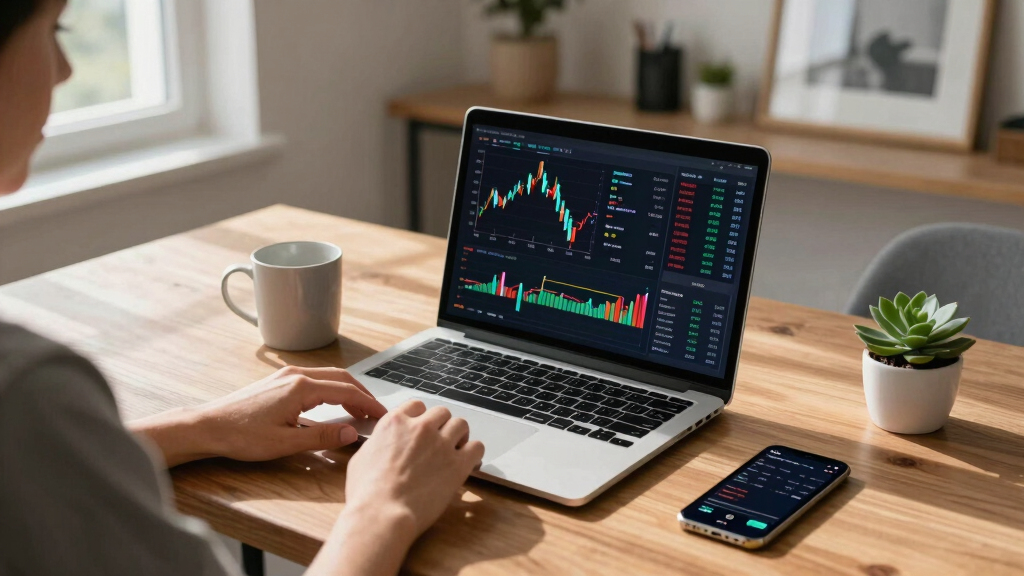
These investment tracking tools were evaluated based on key factors such as usability, feature set, customization options, and value for money. We prioritized tools that serve different investor levels, from beginners to experienced traders. Performance, data accuracy, and integration capabilities also played significant roles in our ranking. Our aim was to highlight options that offer clear benefits aligned with varied investment strategies, ensuring each product’s strengths and limitations are transparent for potential buyers.Factors to Consider When Choosing Investment Tracking Tools
Choosing the right investment tracking tool involves weighing several important factors. Beyond just features, consider how intuitive the interface is, the types of investments supported, and whether automation fits your workflow. Cost is another critical factor—more advanced features typically come at a higher price. Carefully matching your investment style with a tool’s capabilities can save time and improve your overall portfolio management. Keep in mind that a tool’s flexibility and ease of use are often at odds, so prioritize what matters most for your investing approach.Ease of Use and Interface
For many investors, especially beginners, a simple, intuitive interface can make or break the experience. Overly complex tools may offer advanced features but can be intimidating or time-consuming to learn. Conversely, extremely basic tools might lack the detail needed for serious analysis. Look for a balance that matches your comfort level and investment frequency. Remember, a straightforward interface can encourage consistent use, which is key to effective portfolio management.
Supported Investment Types
Not all tools track every type of investment. Some excel at stocks and ETFs, while others support crypto, options, or foreign markets. Consider your current portfolio and future plans. If you diversify into multiple asset classes, prioritize tools with broad support and customizable categories. This reduces the need for workarounds and ensures your portfolio is fully represented for accurate tracking and analysis.
Automation and Data Sync
Automation features like bank account linking and trade import can save significant time and reduce manual errors. However, not all tools offer seamless integration, and some require manual input, which can be tedious for active traders. Budget for tools that sync with your brokerage accounts if you prefer real-time updates. Be aware that increased automation can sometimes come with higher costs or data privacy considerations.
Price and Value
Pricing varies widely, from free basic versions to premium subscriptions with advanced analytics. Consider what features are truly necessary for your investing style. Sometimes, investing in a more expensive tool yields better long-term value if it enhances your decision-making. Conversely, if you only track a handful of investments, a budget-friendly option may suffice. Always weigh the cost against the potential benefit it offers your portfolio management.
Customization and Reporting
Investors with specific goals need tools that offer meaningful customization, such as custom asset categories, performance metrics, and detailed reports. Basic tools might only provide a snapshot of holdings, while more robust options allow in-depth analysis and goal tracking. Think about whether you need detailed historical data or simple summaries. The ability to tailor reports to your needs can improve insights and support smarter investing decisions.
Frequently Asked Questions
Can I use a free investment tracking tool for a diversified portfolio?
Yes, many free tools support basic tracking of diversified portfolios, including stocks, ETFs, and mutual funds. However, they often have limits on data integration, reporting features, or the number of holdings. If your portfolio is complex or you want detailed analytics, a paid option may provide better value. Free tools can be a good starting point, but they might require upgrades for more advanced needs.
How important is automatic data sync for active traders?
Automatic data sync is critical for active traders who need real-time updates to make timely decisions. Manual entry can be error-prone and time-consuming, leading to outdated information that impacts trading accuracy. If you frequently buy or sell, choosing a tool with reliable automation features can streamline your workflow and reduce stress. However, these features often come with higher subscription costs or require more setup.
Are investment tracking tools suitable for long-term investors?
Absolutely, long-term investors benefit from tracking tools that provide historical performance data and asset allocation insights. Such tools help monitor progress toward goals, rebalance portfolios, and identify performance trends. Simpler tools may suffice for basic tracking, while more detailed analytics support strategic adjustments over time. Choosing the right tool depends on how much insight you want into your investment growth.
Should I prioritize budget over advanced features?
It depends on your investing style and goals. Beginners or casual investors might find budget-friendly tools sufficient for their needs, focusing on basic tracking. More active or experienced investors, however, may need advanced features like detailed analytics, automation, and custom reporting, which often come at a higher price. Investing in a feature-rich tool can pay off by improving decision quality, but always match features to your actual requirements.
What should I look for in a portfolio tracker if I plan to invest internationally?
For international investing, select a tool that supports multiple currencies, global exchanges, and international securities. It should also handle different tax rules and provide relevant performance metrics for foreign assets. Compatibility with your brokerage platforms and accurate currency conversion are essential features. This ensures your portfolio overview remains precise and comprehensive across borders.
Conclusion
For most investors, the Best Overall choice is the Ultimate Investment Portfolio Tracker, offering a balance of features, usability, and value. Beginners or casual investors should consider simpler, more affordable options like the Investment Tracking Journal or Long-term Investment Logbook. Those seeking the Best Value might find the free or low-cost tools sufficient, especially if they do not need extensive analytics. For advanced traders or professional investors, premium tools with automation and detailed reporting, such as the Investment Tracker, are worth the higher investment. Ultimately, matching the tool to your specific investment style and goals will lead to the best results.
Halloween Picks
halloween
As an affiliate, we earn on qualifying purchases.