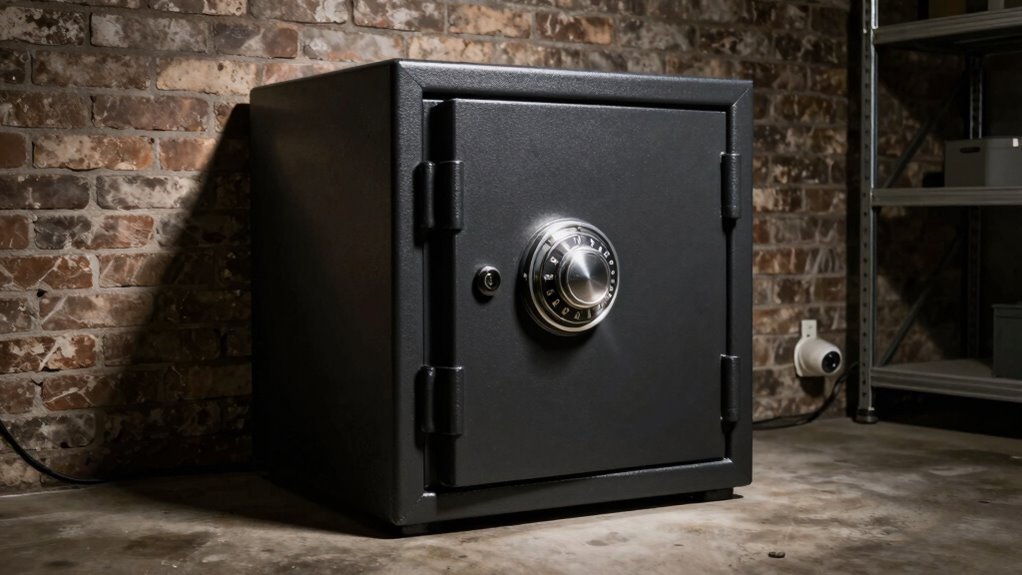

Even though your safe is heavy, proper placement is vital to maximize its protection. Placing it near heat sources or in areas prone to moisture can compromise its fire resistance and damage contents. For security, hide it away and anchor it securely to prevent theft. Strategic positioning also helps protect against environmental damage like floods or extreme temperatures. If you want to guarantee your safe truly keeps your valuables safe, understanding the best placement strategies is essential—you’ll learn more soon.

Get smart everyday buys delivered free — and shop member deals
- Fast, free delivery on millions of items
- Access to Prime Big Deal Days deals on October 6–7
- Prime Video, Amazon Music and more included
Key Takeaways
- Proper placement prevents damage from heat, moisture, or environmental hazards that even heavy safes can’t withstand alone.
- Strategic positioning enhances security by making the safe less accessible and harder to locate or steal.
- Correct placement ensures the safe’s fire-resistant features remain effective during a fire event.
- Anchoring the heavy safe to the floor or wall, combined with proper location, deters theft attempts.
- Integrating placement with overall security plans maximizes protection against theft, fire, and environmental risks.
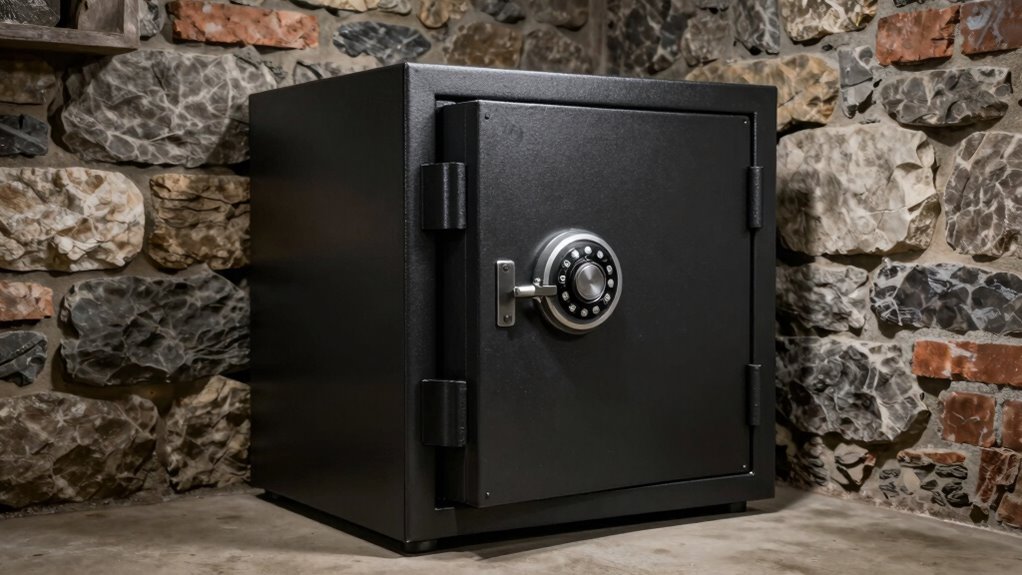
Even the most fire-resistant safes won’t protect their contents if placed in an area prone to high heat or direct flames. For example, placing your safe near a fireplace, furnace, or garage with a potential for fires substantially compromises its protective qualities. Fire-resistant safes are designed to withstand high temperatures for a specific period, but if exposed to extreme heat outside their rated conditions, their contents could still be compromised. Consequently, selecting a location that’s shielded from heat sources is essential for maintaining the safe’s fire-resistance capabilities. Additionally, understanding regulatory standards for safes can help you choose a model that meets safety requirements for your intended environment.
Another key factor to take into account is accessibility. You want your safe to be conveniently reachable yet concealed enough to deter intruders. Placing it in a hidden corner or behind furniture can provide an extra layer of security, reducing obvious targets. Conversely, placing it in plain sight or in an obvious, easily accessible spot exposes it to theft attempts. Additionally, think about the environment—areas prone to moisture, extreme temperatures, or humidity can damage sensitive items stored inside. Avoid basements prone to flooding or garages with fluctuating temperatures. Proper placement helps guarantee your safe’s longevity and maintains its fire resistance. Incorporating security measures such as anchoring your safe to the floor or wall can further enhance its protection against theft. Proper placement also involves understanding environmental risks, which can help you choose the safest and most effective location for your safe.
Finally, think strategically about the safe’s integration into your overall security plan. Combining a heavy safe with security systems, discreet placement, and proper anchoring reduces vulnerabilities. Remember, even the heaviest, most fire-resistant safe is only as secure as its placement allows. By carefully choosing its location, you protect your valuables from theft, fire, and environmental damage—maximizing the safe’s protective features and giving you peace of mind.
As an affiliate, we earn on qualifying purchases.
Frequently Asked Questions
How Often Should I Reassess My Safe’s Placement?
You should reassess your safe’s placement at least once a year. Regular checks guarantee the safe remains secure, especially around safe anchor points and concealed locations. Over time, shifting furniture, structural changes, or tampering can compromise safety. By periodically evaluating its position, you ensure it stays hidden, stable, and protected from potential threats. Reassessments help maintain the safe’s effectiveness and peace of mind, keeping your valuables secure.
Can Placement Affect a Safe’s Fire Resistance?
Placement can definitely affect a safe’s fire resistance. Imagine a safe as a fortress; fireproof positioning on a sturdy, insulated surface enhances its protection. Proper structural support prevents heat transfer and maintains insulation, ensuring your valuables stay safe longer during a fire. If you place it near heat sources or on unstable ground, its fire resistance diminishes. So, strategic placement is key to maximizing your safe’s fireproofing capabilities.
What Are the Signs of an Insecure Safe Placement?
You can tell your safe placement is insecure if it’s easily visible or accessible, making it vulnerable to theft. Poor concealment and obvious locations undermine theft deterrence, increasing the risk of break-ins. If your safe isn’t hidden or blended into its surroundings, it signals a lack of security. To protect your valuables, make sure your safe is well-concealed and positioned out of sight, strengthening theft deterrence and reducing the chance of unauthorized access.
Does the Type of Safe Influence Placement Choices?
Think of your safe as a treasure chest—you want it hidden yet accessible. Yes, the type of safe influences your placement choices. For example, a heavy, fire-resistant safe needs strategic safe concealment and accessibility considerations, so it’s both protected and easy to reach in emergencies. Lighter safes might be placed for quick access, while bolted-down safes stay hidden, ensuring your valuables stay secure without sacrificing convenience.
How Does Safe Placement Impact Insurance Coverage?
Your safe’s placement directly impacts your insurance coverage because insurance policies often consider risk assessment when determining claims. If you position your heavy safe in a secure, concealed spot, it reduces the risk of theft or damage, possibly lowering premiums. Conversely, placing it in an obvious or vulnerable location might increase risk, potentially affecting your coverage or claims process. Proper placement shows responsible risk management, which insurers value.
As an affiliate, we earn on qualifying purchases.
Conclusion
Think of your heavy safe as the heart of your home—solid, dependable, but vulnerable if misplaced. I once knew someone who stored theirs in a cluttered basement corner, only to find it nearly impossible to move when needed. Proper placement isn’t just about security; it’s about peace of mind. When you choose the right spot, you’re ensuring your safe remains a steadfast guardian, ready to protect what matters most, whenever you need it.
As an affiliate, we earn on qualifying purchases.
As an affiliate, we earn on qualifying purchases.
Halloween Picks
halloween
As an affiliate, we earn on qualifying purchases.