
Many retirees underestimate the costs of aging in place because they often overlook essential safety upgrades, ongoing maintenance, and community support expenses. It’s easy to focus only on initial home modifications like grab bars or ramps, but these aren’t the only costs involved. Expenses can quickly add up for repairs, safety features, and neighborhood assistance. To truly understand what’s needed, it’s important to contemplate all these factors—there’s more to learn about planning effectively for a secure future.

Get smart everyday buys delivered free — and shop member deals
- Fast, free delivery on millions of items
- Access to Prime Big Deal Days deals on October 6–7
- Prime Video, Amazon Music and more included
Key Takeaways
- Retirees often overlook the cumulative expenses of safety modifications like grab bars, ramps, and stairlifts.
- Many underestimate ongoing home maintenance and repair costs as they age.
- Hidden expenses from community support services and frequent assistance needs are frequently ignored.
- The misconception that aging in place is cheaper leads to neglecting necessary safety and health upgrades.
- Lack of detailed planning causes retirees to underestimate unexpected costs, straining their budgets.
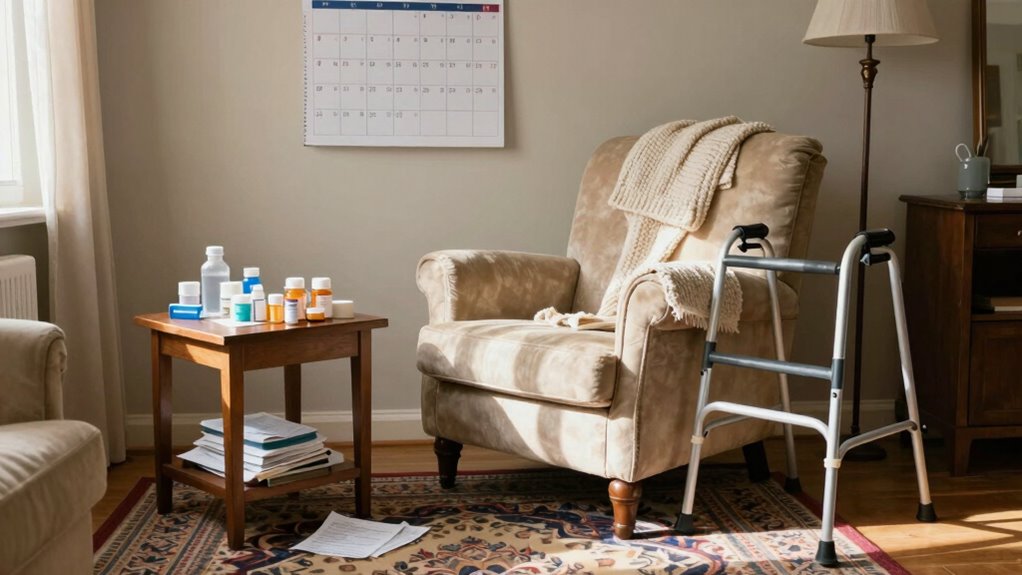
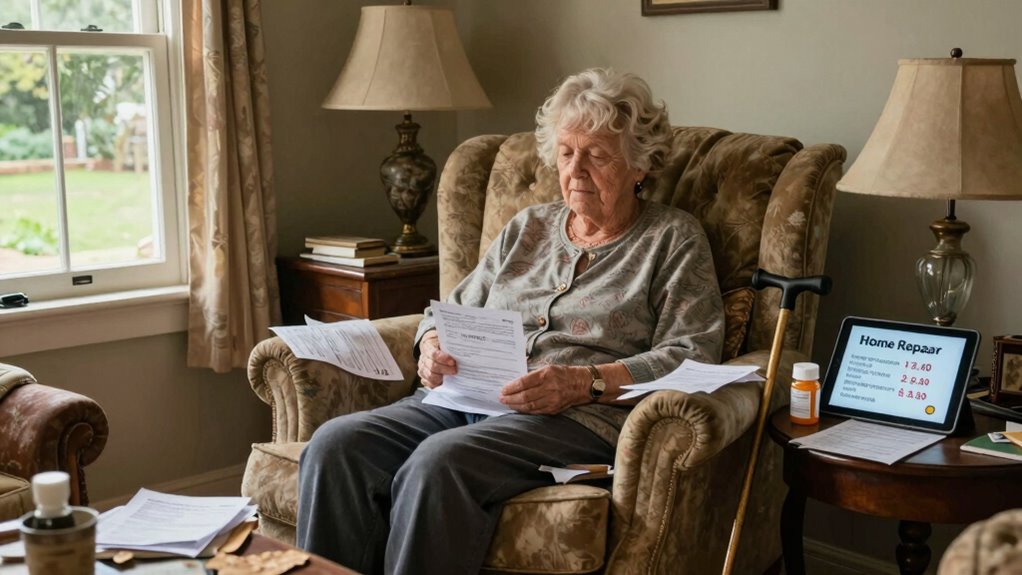
Aging in place can be a rewarding choice for retirees, allowing you to stay in the comfort of your own home as you grow older. Many people see aging in place as a way to maintain independence and familiarity, but they often overlook the true costs involved. One of the biggest surprises is how much you might need to invest in home safety. As you age, simple hazards like loose rugs, poor lighting, or stairs can become serious safety concerns. You might need to install grab bars, ramps, or stairlifts, which can add up quickly. These updates aren’t just about comfort—they’re essential for preventing falls and injuries, which can be costly and disruptive. Many retirees underestimate how much these modifications will cost, especially when they’re planning on a fixed income. Additionally, nail health and strength can influence your ability to perform daily tasks safely, highlighting the importance of maintaining good nail hygiene as you age. Community support is another factor that’s often overlooked when considering the expenses of aging in place. While living in your familiar neighborhood can foster a sense of security and belonging, it doesn’t mean you won’t need assistance. You may find yourself relying on neighbors, local services, or community programs to help with errands, transportation, or even healthcare appointments. These services can carry unexpected costs, especially if you need frequent help or specialized care. Many community programs require memberships or fees, which can strain a retiree’s budget if you haven’t planned for them. Additionally, Home maintenance costs tend to increase as your home ages, and many retirees underestimate the ongoing expenses needed to keep everything functioning properly. Regular inspections and early repairs can help prevent more costly issues down the line, but they’re often overlooked. People tend to underestimate the ongoing costs of maintaining a home as they grow older. These expenses can include not only repairs but also aging-in-place modifications that are necessary for safety and accessibility. You might find yourself needing to hire professionals for plumbing, electrical work, or yard maintenance more frequently than anticipated. These expenses can add up over time, especially if your home isn’t already equipped with aging-in-place modifications. Another common misconception is that aging in place is cheaper than moving to an assisted living facility or retirement community. While it might seem less expensive upfront, the hidden costs of home modifications, safety upgrades, and community support can quickly accumulate. Without a clear, detailed plan, many retirees find themselves overwhelmed by unanticipated expenses that eat into their savings faster than expected. In the end, understanding the real costs of aging in place means looking beyond the surface. It’s about preparing for safety upgrades, ongoing Home maintenance, and community support services. Recognizing the importance of preventive measures can help you better plan for future expenses and maintain your independence longer. When you recognize these hidden expenses early, you can create a more accurate budget and ensure that staying in your home remains a feasible, fulfilling choice as you grow older.
Frequently Asked Questions
How Can Retirees Prepare Financially for Unexpected Aging-Related Health Issues?
You should prioritize financial planning by setting aside an emergency fund specifically for unexpected health issues. Regularly review your savings and consider long-term care insurance to cover potential costs. Consult a financial advisor to develop a thorough plan, ensuring you’re prepared for health surprises. By proactively managing your finances, you’ll reduce stress and enhance your ability to handle unforeseen aging-related health expenses confidently.
Are There Government Assistance Programs for Aging in Place?
Yes, there are government assistance programs for aging in place. You can access community support services, like home modifications and transportation, through local agencies. Additionally, programs such as Medicaid and Veterans Affairs offer financial aid, while technological aids like medical alert systems and remote monitoring can enhance safety and independence. Exploring these options helps you stay in your home comfortably and safely as you age.
What Are Hidden Costs of Home Modifications for Aging in Place?
Hidden costs of home modifications for aging in place include unexpected expenses for home safety and accessibility upgrades. You might need to widen doorways, install ramps, or add grab bars, which can quickly add up. Additionally, costs for professional assessments, permits, and ongoing maintenance often catch retirees off guard. These expenses can strain your budget if you’re not prepared, making it essential to plan for all potential costs upfront.
How Do Ongoing Maintenance Expenses Impact Retirement Budgets?
Did you know that ongoing maintenance costs can eat up about 1-2% of your home’s value annually? These expenses directly impact your retirement budget, especially when focusing on home safety and emergency preparedness. Regular upkeep guarantees your home remains safe and accessible, but neglecting it can lead to costly repairs later. Staying on top of maintenance helps you avoid surprises, keeping your retirement years comfortable and secure.
Can Insurance Cover All Costs Associated With Aging in Place?
Insurance coverage often doesn’t cover all costs associated with aging in place, so you need solid financial planning. While policies might help with some home modifications or medical expenses, many expenses like maintenance, renovations, or home care aren’t fully covered. It’s vital to evaluate your insurance options carefully and plan for these gaps to guarantee you’re financially prepared for the full scope of aging in place.
Conclusion
You might think aging in place is a walk in the park, but many retirees forget how costs can pile up faster than a Gutenberg press. From home modifications to healthcare, these expenses can catch you off guard. So, don’t be caught flat-footed like a knight without his armor—plan ahead and budget wisely. After all, facing the future requires more than just a brave heart; it takes a savvy coin purse.
Fall Picks
fall essentials
As an affiliate, we earn on qualifying purchases.