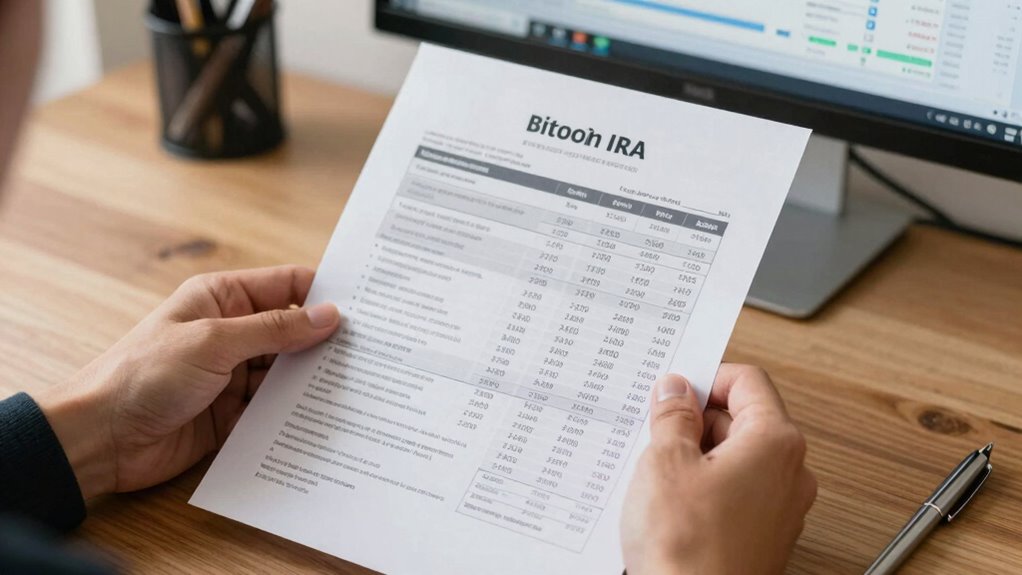

To understand a Bitcoin IRA fee schedule, start by identifying the setup or opening fee to know your initial cost. Look at ongoing fees like custodial, administrative, and transaction charges, and check whether transaction fees are flat or percentage-based. Watch for extra charges such as wire transfer or account closure fees. Keep regulatory influences in mind, as they can add costs. If you continue exploring, you’ll discover how systematic comparison helps you manage expenses effectively.
Key Takeaways
- Review all fee categories, including setup, ongoing, transaction, and extra charges, to ensure comprehensive understanding.
- Compare flat-rate versus percentage-based transaction fees and their impact on trading costs.
- Check for any regulatory-related fees or security costs linked to specific cryptocurrencies or storage requirements.
- Understand the fee schedule’s structure, including potential waivers or discounts for contribution amounts or account activity.
- Verify if there are additional charges for account termination, wire transfers, or special handling to avoid unexpected costs.
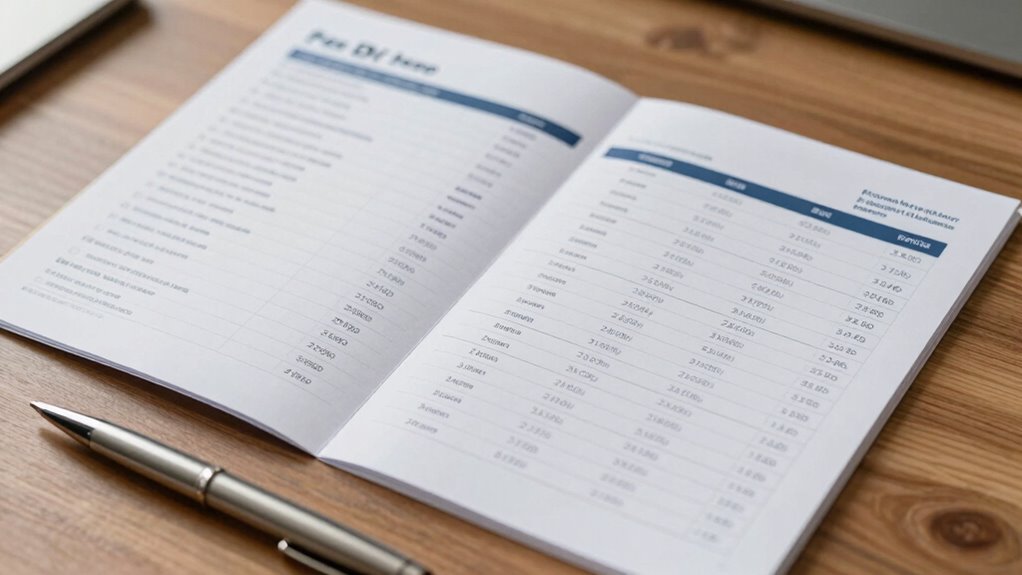
Understanding a Bitcoin IRA fee schedule can seem intimidating at first, but breaking it down makes it manageable. When you start reviewing the fee schedule, you’ll notice various charges that relate to different aspects of managing your account. One of the first things to look for is the setup or opening fee, which is a one-time cost for establishing your Bitcoin IRA. Beyond that, ongoing fees are usually listed, including annual custodial fees, administrative fees, and transaction charges. These fees cover custodial services, account management, and the buying or selling of cryptocurrencies. It’s crucial to understand how these costs add up over time so you can accurately compare providers and avoid surprises.
Breaking down Bitcoin IRA fees helps you compare providers and manage costs effectively.
As you examine the fee schedule, pay close attention to transaction fees. These are typically charged each time you buy, sell, or transfer cryptocurrencies within your IRA. Some providers might offer flat-rate transaction fees, while others charge a percentage of the transaction amount. Recognizing these differences can greatly impact your overall costs, especially if you plan to trade frequently. Also, look for any additional charges, such as wire transfer fees, account termination costs, or special handling fees for certain transactions. Each of these can affect your investment’s profitability and should be factored into your decision-making process. Additionally, understanding the cryptid mysteries can deepen your appreciation for how elusive and complex certain costs or regulations might be, especially in the rapidly evolving landscape of cryptocurrency.
Another critical aspect of reading the fee schedule is understanding how it relates to cryptocurrency regulations. Regulations can influence the types of cryptocurrencies you can hold and how they’re stored, which in turn may impact fees. For example, certain cryptocurrencies might require special storage solutions or additional security measures, resulting in higher costs. Being aware of these factors helps you anticipate potential expenses and ensures your investment aligns with regulatory compliance. Additionally, knowing about Vetted – Relationship Rewind can help you identify trusted providers who adhere to regulatory standards, potentially reducing unforeseen costs. Furthermore, understanding the regulatory environment can help you avoid fees associated with non-compliance or improper storage.
Furthermore, you should be aware of IRA contribution limits, which dictate how much you can deposit annually into your Bitcoin IRA. These limits are set by the IRS and can change over time. Knowing these limits is essential because some fee schedules include setup or maintenance fees that might be waived or reduced if you contribute above a certain amount or set up an automatic contribution plan. By understanding both the fee structure and contribution limits, you can plan your investments more efficiently, ensuring you maximize your retirement savings without incurring unnecessary costs.
Bitcoin IRA setup fee
As an affiliate, we earn on qualifying purchases.
As an affiliate, we earn on qualifying purchases.
Frequently Asked Questions
Are There Hidden Fees in Bitcoin IRA Fee Schedules?
Yes, there can be hidden charges in Bitcoin IRA fee schedules. To avoid surprises, prioritize fee transparency when reviewing the schedule. Look out for extra costs like transaction fees, storage fees, or administrative charges that aren’t immediately obvious. Asking questions upfront helps you identify hidden charges and guarantees you understand the full cost structure, so you can make informed investment decisions without unexpected expenses catching you off guard.
How Often Do Bitcoin IRA Fees Typically Change?
About 60% of Bitcoin IRA providers adjust their fees annually, often influenced by changing cryptocurrency regulations and IRS guidelines. You should expect fee changes approximately once a year, but some providers may update them more frequently. Staying informed helps you avoid surprises. Keep an eye on official notices and reviews, as fee adjustments reflect evolving rules and market conditions, ensuring you manage your investment costs effectively.
Can I Negotiate Bitcoin IRA Fees?
Yes, you can negotiate Bitcoin IRA fees, especially if you’re considering different investment strategies or have a sizable account. Contact your provider to discuss fee options and explore discounts. Keep in mind that lower fees can impact your investment’s growth, so weigh the benefits against tax implications. Negotiating may not always work, but it’s worth trying, especially if you’re a long-term investor seeking to optimize your overall tax strategy.
Do Fees Vary by Account Size or Investment Amount?
Fees do vary by account size and investment amount, influencing your overall costs. As you explore different investment strategies, compare fee structures carefully to find the best fit. Larger accounts might benefit from reduced rates, while smaller ones could face higher fees. Always do a thorough fee comparison, considering both fixed and variable charges, to guarantee you’re making informed decisions that align with your financial goals and optimize your Bitcoin IRA investments.
What Are the Penalties for Late Fee Payments?
If you delay fee payments, you might face penalties that impact your tax implications and regulatory compliance. Late payments can result in additional fees, interest charges, or even account restrictions. To avoid these issues, guarantee timely payments and stay aware of your fee schedule. Staying compliant helps prevent penalties that could jeopardize the tax advantages of your Bitcoin IRA, maintaining your investment’s integrity and your financial stability.
cryptocurrency IRA custodial fees
As an affiliate, we earn on qualifying purchases.
As an affiliate, we earn on qualifying purchases.
Conclusion
Exploring a Bitcoin IRA fee schedule might feel like decoding a complex map, but with focus, you’ll find your way. Think of the fee schedule as a treasure chest—each fee is a gem that, once understood, helps you access the full value of your investment. Keep your eyes sharp and your questions ready, and you’ll avoid hidden traps. Mastering this map guarantees your journey to crypto retirement is smooth and rewarding, guiding you to your financial treasure.
Bitcoin IRA transaction fees
As an affiliate, we earn on qualifying purchases.
As an affiliate, we earn on qualifying purchases.
cryptocurrency storage security
As an affiliate, we earn on qualifying purchases.
As an affiliate, we earn on qualifying purchases.