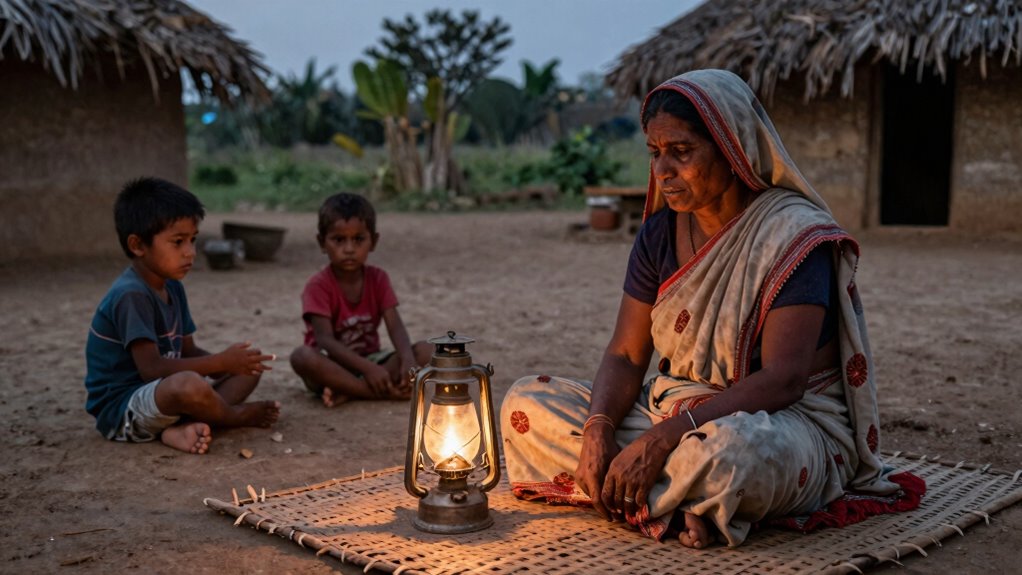

Widowhood risk means you need to plan for unexpected loss by building financial resilience through savings, insurance, and legal documents like wills. It encourages strengthening your social support network for emotional and practical help during tough times. You should also stay aware of health signs and prepare for potential medical expenses. By proactively considering these areas, you’ll create a stable foundation for your household’s future. Keep exploring to discover even more ways to safeguard your household.

Get smart everyday buys delivered free — and shop member deals
- Fast, free delivery on millions of items
- Access to Prime Big Deal Days deals on October 6–7
- Prime Video, Amazon Music and more included
Key Takeaways
- Widowhood risk influences long-term financial strategies, encouraging savings, insurance, and legal estate planning.
- It highlights the need for strong social support networks to ensure emotional and practical assistance.
- Household planning should include health awareness and medical preparedness to address potential health crises.
- Building household resilience involves financial stability, emotional readiness, and proactive contingency planning.
- Recognizing widowhood risk promotes a sense of control and security through comprehensive household preparedness.
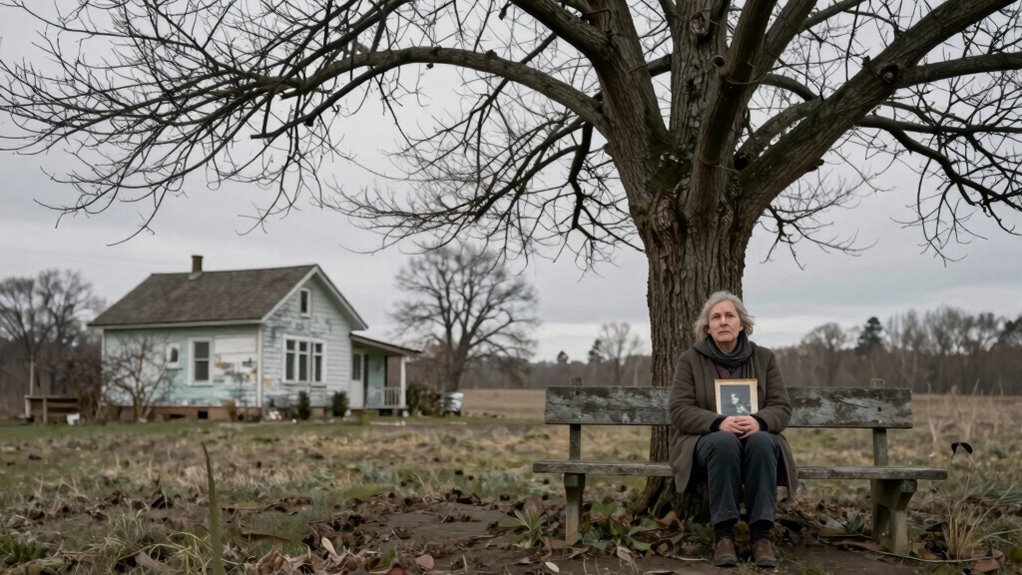
Have you ever considered how the risk of widowhood influences household planning? It’s a pivotal factor that shapes how you manage your finances, make long-term decisions, and build support systems. Recognizing this risk encourages you to focus on strengthening your financial resilience, guaranteeing you’re prepared for unexpected changes that could impact your household stability. Building a financial cushion, such as savings or insurance, becomes indispensable because it offers a safety net if you suddenly face the loss of a partner. Without this preparation, household expenses can become overwhelming, forcing difficult choices that could compromise your well-being.
At the same time, social support plays an essential role in household planning when considering widowhood risk. Maintaining strong connections with family, friends, or community groups provides emotional comfort and practical assistance during difficult times. You might not think about social networks until you’re faced with loss, but having these relationships in place means you’re more likely to receive help with daily tasks or financial advice when needed. This support network can also help you navigate the emotional toll of widowhood, which is often underestimated in household planning. Recognizing the importance of social support encourages you to invest in relationships now, so they’re available as a resource should you face future challenges. Building and nurturing these connections can also serve as a form of social resilience that enhances your household’s overall stability. Developing emotional preparedness can further strengthen your ability to cope with unforeseen circumstances. Additionally, understanding the horsepower of electric bikes illustrates how power and performance considerations can be relevant when evaluating household needs or investments.
Thinking ahead about widowhood risk prompts you to consider how your household will sustain itself without your partner. It can influence decisions about career choices, savings strategies, and even living arrangements. For example, you might decide to purchase life insurance or set aside emergency funds specifically geared toward supporting your household if your spouse passes away. It also encourages you to think about legal preparations, such as updating wills or estate plans, to guarantee your household’s financial stability in uncertain times. Additionally, understanding early warning signs of health issues like breast cancer can help you plan for medical expenses and care needs, further strengthening household resilience. Staying informed about health risks and preventative measures is also a key step in reducing health-related surprises that can threaten household stability.
Ultimately, understanding widowhood risk helps you create a more resilient household. It pushes you to prioritize financial resilience by saving, insuring, and planning for contingencies. Simultaneously, it reminds you to nurture social support networks, which can provide emotional strength and practical aid when needed most. This proactive approach doesn’t just prepare you for future uncertainties; it fosters a sense of control and security that benefits your household today. By addressing these elements now, you’re building a foundation that can withstand life’s inevitable surprises, ensuring your household remains stable regardless of what the future holds.
As an affiliate, we earn on qualifying purchases.
Frequently Asked Questions
How Does Widowhood Risk Vary Across Different Regions?
Regional disparities and cultural differences influence widowhood risk variably across regions. In some areas, extended family systems and gender roles lower widowhood risks, while in others, economic instability or social norms increase vulnerability. You should consider these factors when planning your household, as regions with high widowhood risk may require more diverse support systems and financial safety nets. Understanding local cultural practices helps tailor effective household strategies.
What Are the Psychological Impacts of Widowhood on Household Members?
You might experience deep emotional distress and feelings of loneliness after widowhood, affecting your mental health. It can challenge your emotional resilience, leading to anxiety or depression if not addressed. Seeking mental health support helps you process grief and regain stability. Building a strong support network is essential for your psychological well-being, enabling you to adapt and find new sources of emotional strength during this difficult time.
How Can Households Prepare Financially for Widowhood?
To prepare financially for widowhood, you should build your household’s financial resilience by establishing an emergency savings fund with enough to cover several months of expenses. Regularly review and update your financial plan, verify that life insurance policies are current, and consider consulting a financial advisor. This proactive approach helps you manage potential income loss and unexpected expenses, giving you peace of mind during challenging times.
What Role Do Community Support Systems Play in Widowhood Risk?
You might be surprised how community support systems play a crucial role in widowhood risk. When you rely on community networks, you create a social safety net that offers emotional and practical help during tough times. These networks can provide companionship, advice, and resources, reducing feelings of isolation. Building strong community ties ensures you’re better prepared to face widowhood, turning a challenging situation into an opportunity for support and resilience.
How Does Widowhood Risk Influence Long-Term Household Sustainability?
Widowhood risk impacts your household’s long-term sustainability by challenging marital stability and financial security. You need to diversify assets to protect against potential loss if a spouse passes away, ensuring income and resources remain stable. Planning for widowhood encourages you to build a resilient household, reducing vulnerability. By prioritizing marital stability and asset diversification, you actively safeguard your household’s future, making it more sustainable despite unforeseen widowhood events.
As an affiliate, we earn on qualifying purchases.
Conclusion
As you consider household planning, remember that widowhood risk isn’t just a distant concern—it’s intertwined with your choices today. Sometimes, unexpected events align, reminding you how life’s uncertainties can catch you off guard. Planning ahead isn’t just about finances; it’s about preparing for those unforeseen moments that, by coincidence, could change everything. Stay proactive, think ahead, and you’ll find that being prepared makes all the difference when life surprises you.
legal will and estate planning kit
As an affiliate, we earn on qualifying purchases.
As an affiliate, we earn on qualifying purchases.
As an affiliate, we earn on qualifying purchases.
Fall Picks
fall essentials
As an affiliate, we earn on qualifying purchases.