
When it comes to choosing personal finance books for students, comparing the top options helps identify what truly fits your needs. The Infographic Guide to Personal Finance stands out as the best overall choice due to its clear visuals and comprehensive coverage. High School Financial Literacy offers practical, real-world advice for homeschooling students, while How to Adult: Personal Finance for the Real World makes complex concepts accessible for beginners. Each book differs in focus, style, and depth, so understanding these tradeoffs is key. Keep reading for a detailed comparison of these top picks and what makes each unique.
Prime for Young Adults — start your free trial
Fast free delivery, streaming and member deals for eligible 18–24 year olds.
Try it freeAs an affiliate, we earn on qualifying purchases.
Key Takeaways
- The most visually engaging books, like the Infographic Guide, enhance retention for visual learners.
- Practical, real-world advice often comes with a higher price point but offers immediate application.
- Books tailored for homeschool settings provide more structured lessons, but may lack breadth for advanced students.
- Beginner-friendly titles simplify complex topics but might omit deeper financial concepts.
- The best overall pick balances comprehensive content with user-friendly design, appealing to a broad audience.
| The Infographic Guide to Personal Finance: A Visual Reference for Everything You Need to Know | 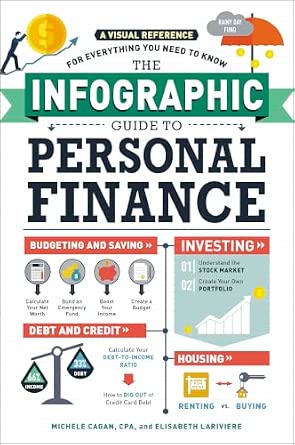 | Best Visual Learning Tool | Format: Hardcover | Pages: 192 | Publisher: Capstone | VIEW ON AMAZON | See Our Full Breakdown |
| Personal Finance, Student Edition |  | Best for Practical Financial Literacy | Format: Paperback | Pages: 280 | Publisher: McGraw-Hill | VIEW ON AMAZON | See Our Full Breakdown |
| Business and Personal Finance, Student Edition (Personal Finance Recordkeeping) |  | Best for Recordkeeping Skills | Format: Paperback | Pages: 320 | Publisher: Pearson | VIEW ON AMAZON | See Our Full Breakdown |
| Business and Personal Finance Student Activity Workbook |  | Best for Hands-On Practice | Format: Workbook | Pages: 100 | Publisher: Unspecified | VIEW ON AMAZON | See Our Full Breakdown |
| Glencoe Personal Finance, Student Edition |  | Most Comprehensive Guide | Format: Hardcover | Pages: 600 | Publisher: McGraw-Hill | VIEW ON AMAZON | See Our Full Breakdown |
| High School Financial Literacy: A Practical Personal Finance Course for Homeschool Students |  | Best for Homeschool Students Seeking Practical Skills | Target Audience: Homeschool students | Course Focus: Practical personal finance skills | Content Coverage: Budgeting, saving, investing, debt | VIEW ON AMAZON | See Our Full Breakdown |
| Foundations in Personal Finance – Print Student Textbook, Third Edition, High School |  | Best for Students Preferring Structured Learning | Edition: Third Edition | Format: Print textbook | Intended Audience: High school students | VIEW ON AMAZON | See Our Full Breakdown |
| Business and Personal Finance, Student Edition (Personal Finance Recordkeeping) |  | Best for Students Interested in Recordkeeping and Business Finance | Focus Areas: Personal finance, business recordkeeping | Format: Student edition | Supplementary Content: Includes recordkeeping exercises | VIEW ON AMAZON | See Our Full Breakdown |
| Foundations in Personal Finance: Homeschool Edition – Print + Streaming (Student Add-on) |  | Best for Homeschoolers Want Flexibility and Streaming Access | Format: Print + streaming | Intended Audience: Homeschool students | Content Type: Financial literacy lessons | VIEW ON AMAZON | See Our Full Breakdown |
| How to Adult: Personal Finance for the Real World |  | Best for Young Adults Entering the Workforce | Target Audience: Young adults and new earners | Scope: Budgeting, saving, investing basics | Content Style: Practical, easy-to-understand guidance | VIEW ON AMAZON | See Our Full Breakdown |
| personal finance books for students compared 3 | Format | Intended Audience | Pages | Publisher |
|---|---|---|---|---|
| The Infographic Guide to Perso | Hardcover | Students, beginners | 192 | Capstone |
| Personal Finance | Paperback | High school and college students | 280 | McGraw-Hill |
| Business and Personal Finance | Paperback | High school students | 320 | Pearson |
| Business and Personal Finance | Workbook | High school students | 100 | Unspecified |
| Glencoe Personal Finance | Hardcover | High school and college students | 600 | McGraw-Hill |
| High School Financial Literacy | — | — | — | — |
| Foundations in Personal Financ | Print textbook | High school students | — | — |
| Business and Personal Finance | Student edition | — | — | — |
| Foundations in Personal Financ | Print + streaming | Homeschool students | — | — |
| How to Adult: Personal Finance | — | — | — | — |
More Details on Our Top Picks
The Infographic Guide to Personal Finance: A Visual Reference for Everything You Need to Know
This book stands out for its clear, visual approach to complex personal finance topics, making it an excellent reference for visual learners. Compared with the more text-heavy Personal Finance, Student Edition, it offers quick, memorable insights through infographics, though it doesn’t provide in-depth analysis or practical exercises. Its strength lies in simplifying concepts, but those seeking detailed strategies or hands-on activities may find it lacking. Best for students who prefer visual learning and quick reference guides, rather than comprehensive or exercise-based resources.
Pros:- Clear visual explanations of personal finance concepts
- Comprehensive overview in a quick-reference format
- Easy to understand for beginners
Cons:- Lacks detailed, in-depth analysis of topics
- No practical exercises included
Best for: Students who learn best through visuals and need a quick, accessible reference.
Not ideal for: Students seeking detailed strategies or practical exercises to reinforce learning.
- Format:Hardcover
- Pages:192
- Publisher:Capstone
- Language:English
- Publication Year:2014
- Intended Audience:Students, beginners
Our verdict“A great visual overview for students who want quick, easy-to-digest information but not in-depth practice.”
Personal Finance, Student Edition
This edition is tailored to provide fundamental financial skills, including budgeting, saving, and managing debt, making it a solid choice for students new to personal finance. Unlike The Infographic Guide, it offers practical tips and real-world applications, though it falls short on advanced investment strategies or digital banking info. Its focus on core skills makes it ideal for classroom use but less suited for students wanting in-depth investment guidance. Best for students beginning their financial education and needing practical advice.
Pros:- Provides comprehensive financial literacy for beginners
- Includes practical budgeting and saving tips
- Designed with educational purposes in mind
Cons:- Limited information on advanced investments
- Does not cover digital banking tools in detail
Best for: Students who need basic financial literacy and practical money management tips.
Not ideal for: Students looking for advanced investment strategies or detailed digital banking coverage.
- Format:Paperback
- Pages:280
- Publisher:McGraw-Hill
- Language:English
- Publication Year:2018
- Intended Audience:High school and college students
Our verdict“Ideal for students starting their financial education with practical, straightforward guidance.”
Business and Personal Finance, Student Edition (Personal Finance Recordkeeping)
This book provides a thorough overview of both personal and business finance, with an emphasis on recordkeeping and practical financial management. It is more comprehensive than Personal Finance, Student Edition in covering recordkeeping skills but lacks detailed examples or exercises that could reinforce learning. Compared with Glencoe Personal Finance, it offers a clearer focus on recordkeeping, though it might not be as engaging or detailed in other areas. Best for students who want to develop practical recordkeeping skills and understand business finance basics.
Pros:- Comprehensive coverage of finance and recordkeeping
- Suitable for students learning practical skills
- Clear and accessible explanations
Cons:- Lacks detailed examples or exercises
- Limited information on additional features or editions
Best for: Students interested in learning recordkeeping and financial management skills for both personal and business contexts.
Not ideal for: Students seeking a highly engaging, exercise-rich personal finance guide with broader coverage.
- Format:Paperback
- Pages:320
- Publisher:Pearson
- Language:English
- Publication Year:2015
- Intended Audience:High school students
Our verdict“Best suited for students focusing on developing recordkeeping and basic financial management skills.”
Business and Personal Finance Student Activity Workbook
This workbook offers practical activities designed to reinforce financial concepts introduced in other texts, making it ideal for active learners. Unlike the more theoretical Personal Finance, Student Edition, it emphasizes doing through exercises and tasks. However, it lacks detailed descriptions or reviews, and its standalone value may be limited without accompanying instructional texts. It’s best suited for students who thrive on hands-on activities but may not be sufficient as a sole resource. Best for students who learn best through practice and application of concepts.
Pros:- Enhances financial literacy skills through exercises
- Practical activities reinforce learning
- Good supplement to theoretical texts
Cons:- Lacks detailed descriptions or reviews
- No specific edition or publisher info
Best for: Students who want to reinforce their learning through practical exercises and activities.
Not ideal for: Students seeking comprehensive content or theoretical explanations without hands-on tasks.
- Format:Workbook
- Pages:100
- Publisher:Unspecified
- Language:English
- Publication Year:Unknown
- Intended Audience:High school students
Our verdict“Perfect for students who prefer learning through doing rather than reading alone.”
Glencoe Personal Finance, Student Edition
This edition offers broad coverage of personal finance topics, including budgeting, saving, investing, and credit, making it ideal for students seeking a well-rounded understanding. It compares favorably to Personal Finance, Student Edition for its depth and structured approach, though it lacks detailed specifications and customer reviews, raising questions about its current content quality. Its comprehensive scope makes it suitable for students wanting a complete learning resource but might be overwhelming for absolute beginners. Best for students who want a thorough, all-in-one guide to personal finance.
Pros:- Comprehensive coverage of financial topics
- Suitable for students learning financial literacy
- Includes practical recordkeeping exercises
Cons:- No detailed specifications or current reviews
- Potentially too broad for quick reference
Best for: Students who prefer a detailed, structured approach to personal finance with broad coverage.
Not ideal for: Students who need a concise, quick-reference guide or are looking for more interactive content.
- Format:Hardcover
- Pages:600
- Publisher:McGraw-Hill
- Language:English
- Publication Year:2019
- Intended Audience:High school and college students
Our verdict“Best suited for students seeking a detailed, comprehensive guide to personal finance, willing to navigate a broad scope.”
High School Financial Literacy: A Practical Personal Finance Course for Homeschool Students
This course stands out for its practical approach tailored specifically for homeschool students, covering essential topics like budgeting, saving, investing, and debt management in an accessible way. Unlike the textbook Foundations in Personal Finance – Print Student Textbook, which offers a more structured classroom-style curriculum, this course emphasizes real-world application with straightforward lessons. Its comprehensive scope makes it ideal for students who want practical knowledge without the need for digital extras, although its lack of detailed course length or supplementary materials limits customization. The absence of reviews or detailed specs might concern those wanting more evidence of proven effectiveness, but its focus on practical skills makes it a strong choice for homeschoolers.
Pros:- Practical and easy-to-understand lessons tailored for homeschooling
- Covers all fundamental personal finance topics comprehensively
- Designed specifically for real-world application
Cons:- Lacks detailed course duration or specific content structure
- No customer reviews or user feedback available
Best for: Homeschool students who need a practical, easy-to-understand personal finance curriculum.
Not ideal for: Students seeking a structured textbook with digital resources or detailed course metrics.
- Target Audience:Homeschool students
- Course Focus:Practical personal finance skills
- Content Coverage:Budgeting, saving, investing, debt
Our verdict“This course suits homeschoolers who want straightforward, practical financial skills without extra digital components.”
Foundations in Personal Finance – Print Student Textbook, Third Edition, High School
This textbook provides a solid foundation in personal finance, offering detailed lessons on budgeting, saving, investing, and decision-making, making it comparable to Business and Personal Finance, Student Edition but with a more traditional, textbook-style approach. Its structured format benefits students who prefer a comprehensive, self-paced study, though it falls short in digital engagement, as it does not include supplementary online resources. Limited information on additional materials may be a drawback for teachers or students looking for more interactive content. Overall, its clear, organized presentation makes it a reliable choice for those who want a thorough, classroom-ready resource.
Pros:- Comprehensive coverage of core personal finance topics
- Structured, easy-to-follow format suitable for independent study
- Includes practical lessons that reinforce financial decision-making
Cons:- No digital resources or online support included
- Limited information about supplementary materials
Best for: High school students who prefer a traditional textbook to guide their financial education.
Not ideal for: Students seeking integrated digital learning tools or interactive content.
- Edition:Third Edition
- Format:Print textbook
- Intended Audience:High school students
Our verdict“Ideal for students who value a detailed, organized textbook for foundational financial literacy.”
Business and Personal Finance, Student Edition (Personal Finance Recordkeeping)
This edition emphasizes practical recordkeeping alongside personal and business finance topics, making it stand out from Foundations in Personal Finance by combining financial literacy with real-world record management skills. Its focus on exercises helps students develop hands-on skills, though the lack of detailed content descriptions and absence of reviews might leave some unsure about its depth. It’s especially suitable for students interested in understanding the intersection of personal finance and business recordkeeping, but less ideal for those seeking a broad overview without a focus on practical exercises.
Pros:- Includes practical recordkeeping exercises
- Covers both personal and business finance topics
- Helps develop real-world financial management skills
Cons:- Limited information on overall content depth
- No customer feedback available
Best for: Students wanting to learn both personal finance and business recordkeeping skills.
Not ideal for: Learners who prefer more theoretical content or digital resources without a focus on recordkeeping exercises.
- Focus Areas:Personal finance, business recordkeeping
- Format:Student edition
- Supplementary Content:Includes recordkeeping exercises
Our verdict“Best suited for students interested in combining personal finance with practical recordkeeping and business skills.”
Foundations in Personal Finance: Homeschool Edition – Print + Streaming (Student Add-on)
This homeschool edition offers both print and streaming access, making it ideal for flexible, at-home learning environments, especially compared to the standard High School Financial Literacy course that lacks digital components. Its dual format allows students to learn at their own pace, though the limited information about specific features and content details may concern educators or parents seeking clarity on what’s included. The absence of reviews or detailed specs means users must rely on the description, but for those wanting a combined print and streaming experience, this pick provides a convenient solution.
Pros:- Includes both print and streaming content for flexible learning
- Designed specifically for homeschooling environments
- Supports varied learning styles with multimedia options
Cons:- Limited information on specific features or content included
- No reviews or detailed product descriptions available
Best for: Homeschool students and parents seeking flexible, multimedia financial literacy resources.
Not ideal for: Students or educators looking for detailed content outlines or extensive online features.
- Format:Print + streaming
- Intended Audience:Homeschool students
- Content Type:Financial literacy lessons
Our verdict“A good choice for homeschooling families needing flexible, multimedia financial lessons.”
How to Adult: Personal Finance for the Real World
This book provides straightforward, practical advice tailored for young adults facing real-world financial challenges, similar in scope to High School Financial Literacy but with a more adult focus. Its emphasis on relatable examples and easy language makes it accessible, although it doesn’t delve deeply into complex topics, which may leave more advanced learners wanting more detailed strategies. The limited specifications and lack of comprehensive content overview could be a concern for those seeking a thorough guide, but its practical tone makes it ideal for new adults managing their finances independently.
Pros:- Practical, real-world advice tailored for young adults
- Easy-to-understand language and relatable examples
- Focuses on essential money management skills
Cons:- Limited details on content depth and scope
- No detailed specifications provided
Best for: Young adults and new earners needing clear, actionable financial guidance.
Not ideal for: Students looking for comprehensive textbooks or in-depth financial management courses.
- Target Audience:Young adults and new earners
- Scope:Budgeting, saving, investing basics
- Content Style:Practical, easy-to-understand guidance
Our verdict“Suitable for young adults seeking quick, practical tips to manage their finances effectively without academic complexity.”

How We Picked
Each book was evaluated based on clarity, comprehensiveness, usability, and target audience. We prioritized resources that offer practical advice, engaging formats, and clear explanations suitable for students at various levels. Our ranking favors books that combine accessibility with depth, ensuring they serve both beginners and more advanced learners. We also considered the value offered for the price, as well as reviews and educator recommendations where available. This approach ensures the list reflects what best supports students in building essential financial skills.| personal finance books for students compared 3 | Format | Publisher | Intended Audience |
|---|---|---|---|
| The Infographic Guide to Perso | Hardcover | Capstone | Students, beginners |
| Personal Finance | Paperback | McGraw-Hill | High school and college students |
| Business and Personal Finance | Paperback | Pearson | High school students |
| Business and Personal Finance | Workbook | Unspecified | High school students |
| Glencoe Personal Finance | Hardcover | McGraw-Hill | High school and college students |
| High School Financial Literacy | — | — | — |
| Foundations in Personal Financ | Print textbook | — | High school students |
| Business and Personal Finance | Student edition | — | — |
| Foundations in Personal Financ | Print + streaming | — | Homeschool students |
| How to Adult: Personal Finance | — | — | — |
Factors to Consider When Choosing Personal Finance Books For Students Compared 3
Choosing the right personal finance book for students requires considering several factors to match your learning style and goals. Beyond content, look at format, depth, and applicability. A well-chosen book can significantly improve financial literacy, but a mismatched one might leave you confused or disengaged. Here are key considerations to help you make an informed decision.Format and Engagement
Some books use visuals, infographics, or interactive elements to keep readers engaged, especially for visual learners. Others are text-heavy but provide detailed explanations. Consider your preferred learning style—if you find visuals help you absorb information, a book like the Infographic Guide might be best. For those who prefer straightforward text, other options may be more suitable. The right format can make studying more enjoyable and effective.
Depth of Content
Evaluate whether the book covers basic concepts or delves into advanced topics. Beginners benefit from simplified explanations, while more experienced students may need resources that explore investing, taxes, and credit in detail. Choosing a book that matches your current knowledge level prevents frustration and ensures continued learning. Some books also build on fundamentals, so consider your long-term learning goals.
Practical Application
Look for books that include real-world scenarios, exercises, or case studies. These features help translate theory into action, which is crucial for students starting to manage their finances. Beware of overly theoretical texts that lack actionable advice. Practical tools and examples make it easier to implement what you learn in everyday life.
Price and Value
Price varies widely, from free online resources to premium textbooks. Generally, investing in a well-reviewed, comprehensive book offers better value, especially if it encourages ongoing learning. Free or low-cost options can be sufficient for basic understanding but might lack depth or interactivity. Balance your budget with your learning needs when selecting a resource.
Target Audience and Use Case
Some books are designed specifically for homeschoolers, high school students, or college-bound learners. Consider your current educational context and future plans. A book tailored for homeschool settings may include structured lesson plans, while others aim at self-directed learners. Choosing a resource aligned with your situation improves relevance and usability.
Additional Features
Extras like online streaming, companion workbooks, or teacher guides add value but may also increase costs. These features can enhance engagement and reinforce learning, especially for self-study or homeschooling. Assess whether these additions align with your preferred learning style and budget before making a purchase.
Frequently Asked Questions
Is a visual-based book better for learning personal finance?
Visual-based books, such as infographics and diagrams, often help retain information better for visual learners. They simplify complex topics through graphics, making concepts easier to grasp quickly. However, they might lack depth for students seeking more detailed explanations. Combining visual books with other resources can provide a balanced understanding, especially when building foundational knowledge.
Should I choose a book tailored for homeschool students?
Homeschool-specific books typically offer structured lessons and practical exercises designed for independent or parental instruction. If you are homeschooling or prefer a guided approach, these can be very effective. However, their focus might be narrower, so supplementing with other resources can broaden your understanding. For self-directed learners outside homeschooling, more general titles may be better suited.
Are more expensive books worth the investment?
Higher-priced books often provide extensive content, interactive features, or additional online resources, which can justify the cost if you need a comprehensive learning tool. Cheaper options might cover only basic concepts but can still be useful, especially if they come from reputable sources. Consider your current knowledge level and learning goals—spending more makes sense if you want depth and future growth.
Can a beginner fully understand complex financial topics from a single book?
While some beginner-friendly books simplify complex topics, mastering areas like investing or taxes often requires multiple resources. A well-chosen book can lay a strong foundation, but supplementing with online courses or dedicated guides is advisable for comprehensive understanding. Focus on books that explain concepts clearly and progressively build your knowledge.
What features should I look for in a personal finance book for students?
Effective features include clear explanations, engaging visuals, practical exercises, and real-world examples. If you prefer interactive learning, look for books with online companion content or workbooks. It’s also helpful if the book aligns with your educational setting—whether homeschooling, high school, or college prep. Prioritize readability, relevance, and the ability to apply concepts directly to your financial situation.
Conclusion
For students seeking a comprehensive and user-friendly resource, the Infographic Guide to Personal Finance offers the best overall value, combining clarity with visual engagement. Beginners or those on a budget might benefit more from High School Financial Literacy, which provides practical advice tailored for homeschooling. If you want a resource that prepares you for real-world financial challenges, How to Adult: Personal Finance for the Real World makes complex topics accessible and actionable. Ultimately, select a book that matches your learning style, educational environment, and financial goals to set yourself up for success.
Fall yard work Picks
leaf blowers
As an affiliate, we earn on qualifying purchases.