
📊 Full opportunity report: Ensuring Food Safety Through Automated Kitchen Walk-Throughs on IdeaNavigator AI — validation score, market gap, and execution plan.
TL;DR
A pilot program testing AI-powered kitchen inspections via photos has been launched for multi-unit restaurants. It aims to verify safety conditions more accurately than traditional checklists. The initiative could transform food safety monitoring, but results are still being evaluated.
Restaurants are piloting an AI-driven system that automatically inspects kitchens through photographs taken during morning walk-throughs, aiming to improve food safety compliance and record-keeping. This technology, designed for multi-unit restaurant groups, could replace traditional manual checklists with verifiable, timestamped data, potentially transforming how food safety is monitored and enforced.
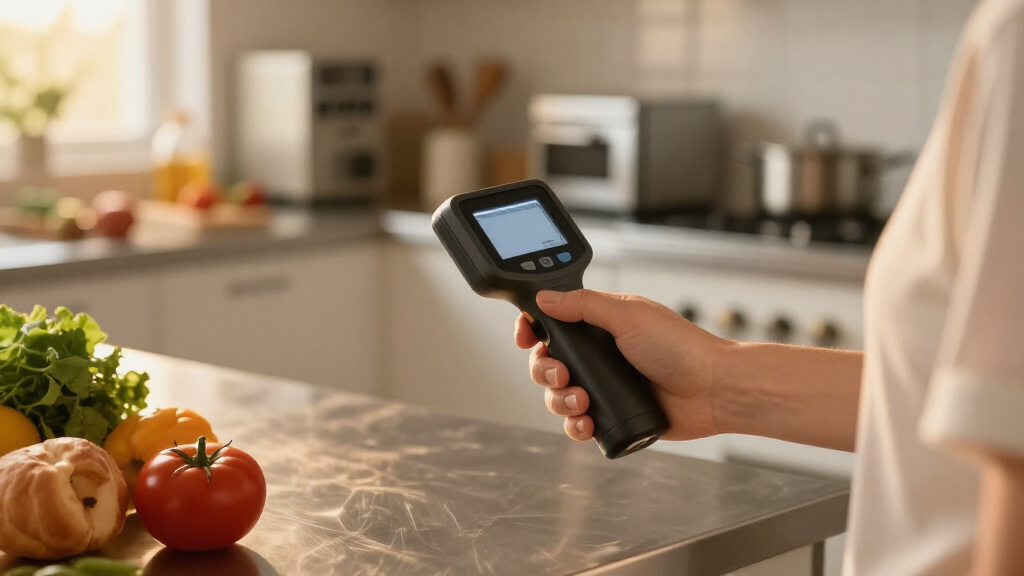
The system involves managers photographing key kitchen areas—prep stations, walk-in coolers, sinks, and storage—during morning checks. A vision model then analyzes these images to flag violations such as uncovered containers, propped cooler doors, and missing date labels. It assigns severity ratings and creates timestamped reports, enabling trend analysis across multiple locations.
According to sources involved in the pilot, the technology leverages existing phone cameras, requiring no additional hardware. The goal is to turn routine inspections into reliable data points that can be reviewed and acted upon more efficiently than manual checklists, which often record only that an inspection was performed, not its actual findings.
Initial validation involves comparing the AI’s flagged violations against assessments from a hired health-inspection consultant over a two-week period at five restaurant locations. The project aims to determine the system’s accuracy and operational benefits before broader deployment.
Potential Impact on Food Safety Compliance Monitoring
This AI-driven inspection system could significantly enhance food safety compliance by providing verifiable, objective data rather than relying on subjective checklist completion. It offers restaurant groups a scalable way to monitor multiple locations consistently, potentially reducing violations and improving overall safety standards.
By automating the detection of common violations, the system may also reduce human error and free up staff time for other operational tasks. If validated, it could set a new industry standard for routine kitchen inspections, aligning with increasing regulatory emphasis on verifiable safety practices.
As an affiliate, we earn on qualifying purchases.
Advances in AI for Food Safety Inspections
Traditional food safety inspections depend on manual checklists completed by staff or inspectors, which can be inconsistent and difficult to verify. Recent developments in computer vision and AI have enabled the analysis of photos to identify violations automatically, with some pilot projects already showing promise in various sectors.
The current initiative by a multi-unit restaurant group represents one of the first practical applications in a real-world setting, aiming to validate whether AI can reliably detect violations during routine morning checks. This follows broader trends of integrating AI into operational workflows to improve accuracy and accountability.
“The AI system analyzes photos to flag violations with severity ratings, creating a verifiable report that enhances accountability.”
— an anonymous researcher
As an affiliate, we earn on qualifying purchases.
Uncertainties Around Accuracy and Deployment
It is not yet confirmed how accurately the AI system will detect violations compared to human inspectors over a longer period. The pilot is ongoing, and results are still being analyzed, so effectiveness, scalability, and potential limitations remain uncertain.
Details about how the system handles complex or ambiguous situations, and its integration with existing compliance processes, are still being developed.
As an affiliate, we earn on qualifying purchases.
Next Steps for Validation and Broader Adoption
The pilot program will continue for at least two more weeks, with detailed analysis comparing AI findings to expert inspections. If results demonstrate high accuracy and operational benefits, the restaurant group plans to expand the system across more locations.
Further development may include refining the model to detect additional violations and integrating the system into daily operational workflows. Broader industry adoption will depend on pilot outcomes and regulatory acceptance.
As an affiliate, we earn on qualifying purchases.
Key Questions
How does the AI system analyze kitchen photos?
The system uses computer vision algorithms to scan images for specific violations like uncovered food, propped doors, and missing labels, then assigns severity ratings and compiles reports.
Will this replace human inspectors entirely?
Currently, the system is designed to augment, not replace, human inspections by providing verifiable data that can improve accuracy and accountability.
What are the benefits of using AI for kitchen inspections?
Benefits include more consistent monitoring, objective violation detection, timestamped reports, and potential time savings for staff.
When will this technology be available for wider use?
If the pilot proves successful, broader deployment could occur within the next year, depending on validation results and industry adoption.
Are there any privacy or security concerns?
The system uses standard phone cameras and stores images securely, with no indication of privacy violations; details on data security are still being finalized.
Source: IdeaNavigator AI