
TL;DR

Get smart everyday buys delivered free with Prime
- Fast, free delivery on millions of items
- Prime Video, Amazon Music and more included
- Member-only deals all year
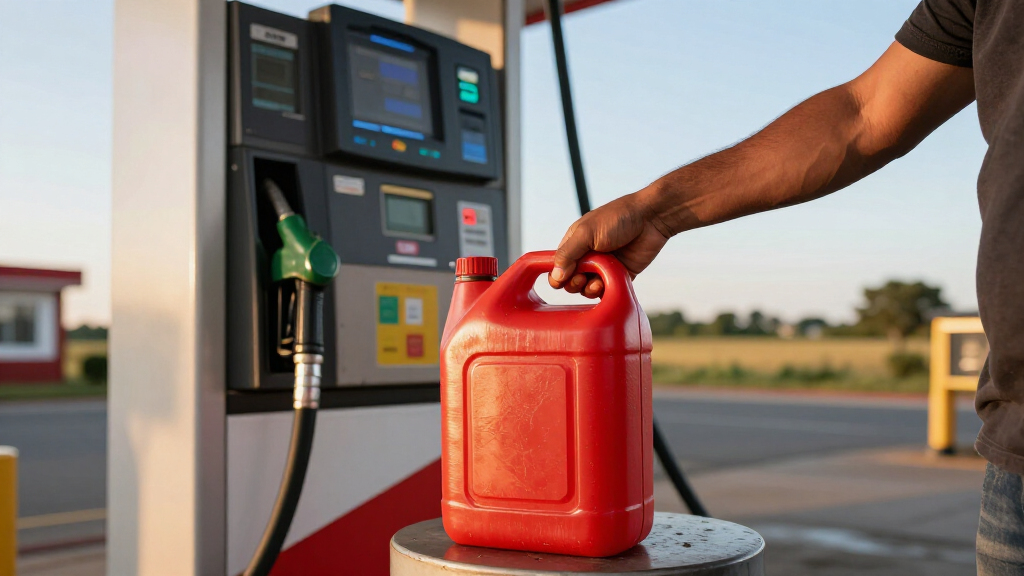
Effective immediately, a 20-cent tax relief on diesel is in place due to record-high fuel prices. This move aims to reduce costs for drivers and businesses amid rising crude oil prices. The impact and future developments remain uncertain.
Starting today, a 20-cent tax relief on diesel has been implemented, as fuel prices continue to reach record highs. This measure aims to provide immediate relief to consumers and businesses facing rising transportation costs amid surging crude oil prices, according to official sources.
The new tax relief, which reduces the diesel excise by 20 cents per liter, was announced by government officials earlier this week and took effect at midnight. Fuel prices nationally have been climbing steadily over the past several months, with recent data showing prices at historic peaks. The relief is expected to temporarily ease the financial burden on drivers, freight companies, and other industries heavily reliant on diesel.
While the exact impact of the tax cut remains to be seen, experts suggest it could reduce fuel costs by approximately 10% in some regions, depending on local taxes and retail margins. The move comes amid a broader context of rising crude oil prices, which have increased by roughly 15% over the past month, driven by geopolitical tensions and supply chain disruptions. Officials from the Department of Energy have emphasized that this is a temporary measure, intended to provide immediate relief while longer-term solutions are considered.
Implications for Consumers and Industry
This tax relief is significant because it directly targets one of the largest expenses for both individual drivers and commercial transportation firms. With fuel prices at record levels, the 20-cent reduction could translate into substantial savings over time, easing inflationary pressures and potentially stabilizing some transportation costs. Economists and industry analysts note that such measures can help mitigate inflation spikes but are unlikely to fully offset the ongoing rise in crude oil prices. The relief also signals government acknowledgment of the economic strain caused by high fuel costs, which may influence future policy decisions.
As an affiliate, we earn on qualifying purchases.
Rising Fuel Prices and Policy Responses
Fuel prices have been steadily increasing over the past year, reaching all-time highs recently, according to data from the national energy board. The surge is linked to rising crude oil costs, which have been driven by geopolitical tensions, OPEC production cuts, and disruptions in global supply chains. In response, governments in various regions have introduced temporary measures such as tax reliefs, subsidies, or price caps to help consumers cope with the spike. The current relief on diesel is part of this broader trend, reflecting ongoing efforts to manage inflation and economic stability amid volatile energy markets.
It is important to note that the exact scale and duration of these measures are still being debated, with some officials signaling that further adjustments could follow depending on market developments and fiscal considerations.
fuel efficiency booster for diesel vehicles
As an affiliate, we earn on qualifying purchases.
As an affiliate, we earn on qualifying purchases.
Uncertain Duration and Long-Term Effects
It is not yet clear how long the 20-cent tax relief will remain in effect, as officials have indicated it is a temporary measure. The actual impact on fuel prices and consumer expenses will depend on future crude oil market trends, local tax policies, and potential additional government interventions. Market analysts warn that if crude oil prices continue to rise, the relief may be insufficient to prevent further increases in fuel costs.
Moreover, the broader economic effects, including inflation and transportation costs, remain difficult to predict at this stage, with some experts cautioning that the relief might only provide short-term alleviation rather than a sustained solution.
As an affiliate, we earn on qualifying purchases.
Monitoring Market Trends and Policy Adjustments
Government officials and industry stakeholders will closely monitor fuel prices over the coming weeks to assess the effectiveness of the relief. Discussions about extending, modifying, or phasing out the tax reduction are likely as market conditions evolve. Additionally, economic analysts expect ongoing debates about longer-term energy policies and potential new measures to address persistent high fuel costs.
Consumers and businesses should stay informed about any official updates or policy changes, as these could influence retail prices and financial planning in the near future.
As an affiliate, we earn on qualifying purchases.
Key Questions
How much will the 20-cent tax relief save me on fuel?
The relief could reduce the cost of diesel by approximately 10% per liter, depending on local taxes and retail margins. Actual savings will vary based on your location and current fuel prices.
How long will the tax relief last?
Officials have indicated that the measure is temporary, but no specific end date has been announced. Future extensions or adjustments depend on market conditions and government policy decisions.
Will this relief apply to gasoline as well?
No, the current measure specifically targets diesel fuel. Gasoline prices are subject to separate policies and taxes.
What caused the recent surge in fuel prices?
The increase is primarily driven by rising crude oil prices, which are influenced by geopolitical tensions, supply chain disruptions, and OPEC production decisions.
Could further government measures be introduced?
Yes, depending on market developments, additional relief measures or policy adjustments could be announced to address ongoing high fuel costs.
Source: rss
Fall Picks
fall essentials
As an affiliate, we earn on qualifying purchases.