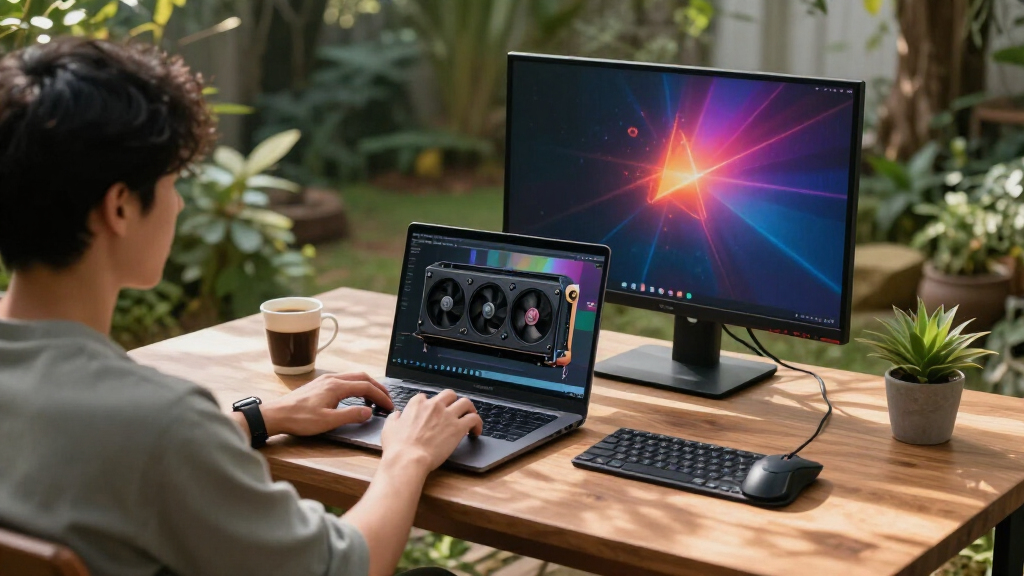

🔍 Read the full analysis: Maximize AI Performance With These 8 Graphics Cards In 2026 on ThorstenMeyerAI.com

Get smart everyday buys delivered free with Prime
- Fast, free delivery on millions of items
- Prime Video, Amazon Music and more included
- Member-only deals all year
TL;DR
In 2026, eight top-tier graphics cards are leading the market for AI, gaming, and creative workloads. This article reviews these models, their features, and what users should consider before upgrading.
Eight leading graphics cards have emerged in 2026 as the top choices for maximizing AI performance, gaming, and professional workloads. These models, from NVIDIA and AMD, are distinguished by their high VRAM, advanced features like PCIe 5.0 support, and cooling innovations. This development reflects ongoing advances in GPU technology aimed at future-proofing high-end computing needs, and is relevant for gamers, content creators, and AI researchers seeking the best hardware options today.
The eight recommended graphics cards include the GIGABYTE GeForce RTX 5080 Gaming OC 16G, recognized for its balanced performance and robust build quality; the MSI Gaming RTX 5080 SUPRIM SOC, known for extreme processing power suitable for demanding tasks; and the ASUS Prime Radeon RX 9070 XT, offering a compelling AMD alternative. These models feature high VRAM capacities, typically 16GB, to support 4K gaming, AI workloads, and creative applications. Many incorporate PCIe 5.0 interfaces, advanced cooling solutions, and factory overclocks, reflecting a trend toward enhanced performance and longevity.
Industry evaluations emphasize that the selection of these cards was based on benchmarks for gaming and creative workloads, build quality, feature sets, and overall value. The selection process prioritized models with reliable reviews, proven durability, and compatibility with future standards, such as DDR7 memory and PCIe 5.0. Price-to-performance ratios varied, with some models offering premium features at a higher cost, while others provide better value for budget-conscious buyers.
The 8 picks
- 1
 MSI Gaming RTX 5080 16G SUPRIM SOC Graphics Card (16GB GDDR7, 256-bit, Extrem…View on Amazon →
 - 2
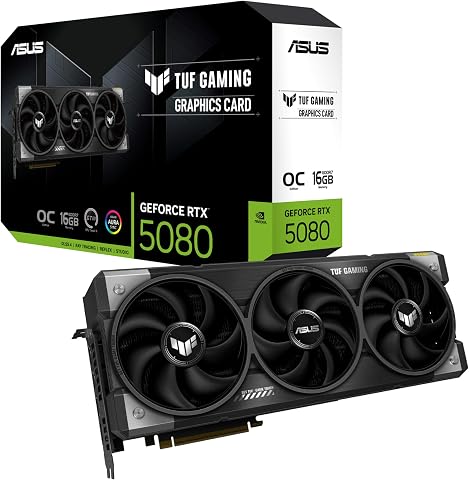 ASUS TUF Gaming GeForce RTX 5080 16GB GDDR7 OC Edition Graphics CardView on Amazon →
 - 3
 GIGABYTE GeForce RTX 5080 Gaming OC 16G Graphics CardView on Amazon →
 - 4
 ASUS Prime NVIDIA GeForce RTX 5070 OC Edition Graphics Card (PCIe 5.0, 12GB G…View on Amazon →
 - 5
 ASUS Prime Radeon RX 9070 XT 16GB GDDR6 OC Edition Gaming Graphics CardView on Amazon →
 - 6
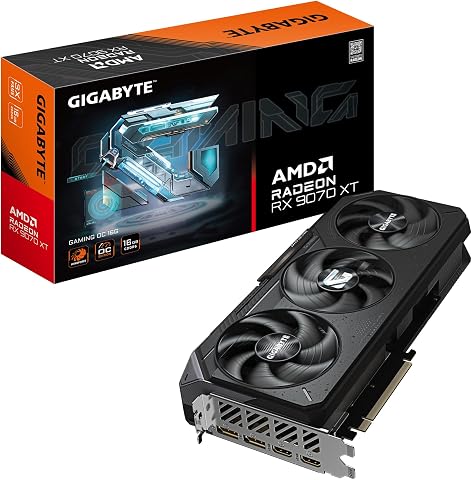 GIGABYTE Radeon RX 9070 XT Gaming OC 16G Graphics CardView on Amazon →
 - 7
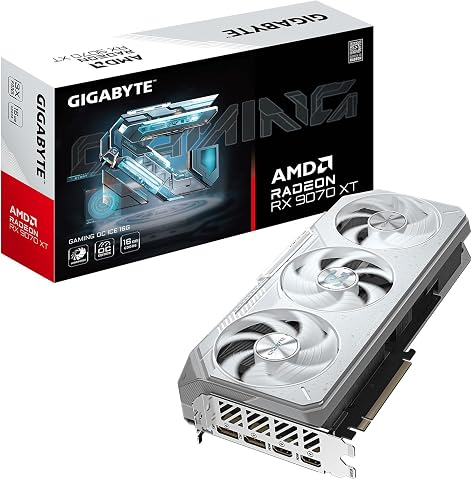 GIGABYTE Radeon RX 9070 XT Gaming OC ICE 16G Graphics CardView on Amazon →
 - 8
 ASRock Radeon RX 9070 Challenger 16GB OC Graphics Card, RDNA 4, 2520MHz Boost…View on Amazon →
Impact of Top Graphics Cards on AI and Gaming
The selection of these eight graphics cards underscores the ongoing evolution of high-performance GPUs that are critical for AI research, gaming, and content creation in 2026. The inclusion of advanced features like PCIe 5.0 and high VRAM capacities indicates a focus on future-proofing, which is vital as workloads become more demanding. For consumers, choosing from these models can mean better longevity, enhanced capabilities, and improved user experience, whether for gaming at high resolutions or running complex AI models.
2026 GPU Market Trends and Development Highlights
The GPU market in 2026 is characterized by rapid technological advancements, including widespread adoption of PCIe 5.0, DDR7 memory, and enhanced cooling solutions. NVIDIA’s RTX 5080 series remains dominant in ray tracing and AI-accelerated features, while AMD’s RX 9070 XT offers competitive value, especially for budget-conscious users. The focus on high VRAM (16GB and above) reflects the increasing demands of 4K gaming, professional rendering, and AI workloads. Industry reviews from sources like ThorstenMeyerAI.com highlight that these models are the result of ongoing innovation aimed at balancing raw power, efficiency, and future compatibility.
Unconfirmed Aspects of 2026 GPU Developments
While these models are highly recommended based on current benchmarks and features, specific long-term performance data, reliability over multiple years, and real-world AI workload efficiency are still being evaluated. The impact of upcoming software updates and driver optimizations on these cards remains uncertain, and future hardware revisions could alter the current rankings. Additionally, the full adoption rate of PCIe 5.0 and DDR7 memory across consumer systems is still developing, which may influence future performance and compatibility.
Upcoming Developments and Market Expectations for 2026 GPUs
Manufacturers are expected to release incremental updates and new models throughout 2026, with a focus on further enhancing AI acceleration, cooling efficiency, and power management. Software updates, driver improvements, and new AI frameworks will also influence real-world performance. Consumers should monitor upcoming reviews and benchmarks, especially as new driver optimizations and firmware updates are released. Additionally, the ongoing rollout of PCIe 5.0 and DDR7 support in mainstream motherboards will be key to fully realizing these cards’ capabilities.
Key Questions
Are these graphics cards suitable for AI development in 2026?
Yes, these models are among the best options currently available for AI workloads, featuring high VRAM, AI acceleration features, and support for future standards like PCIe 5.0.
How do I know if my PC can fit one of these high-end cards?
Check your case’s maximum GPU length and clearance, along with your power supply’s wattage and connector compatibility. Larger models like the MSI SUPRIM SOC may require more space and power.
Is NVIDIA still leading in AI features compared to AMD in 2026?
While NVIDIA’s RTX 5080 series continues to lead in ray tracing and AI acceleration, AMD’s RX 9070 XT offers competitive value and features like FSR, which are gaining popularity.
Should I wait for newer models before upgrading?
Future releases are expected throughout 2026, but current models are highly capable for AI and gaming needs. Waiting may yield incremental improvements, but immediate upgrades still offer significant benefits.
Source: ThorstenMeyerAI.com
Halloween Picks
halloween
As an affiliate, we earn on qualifying purchases.