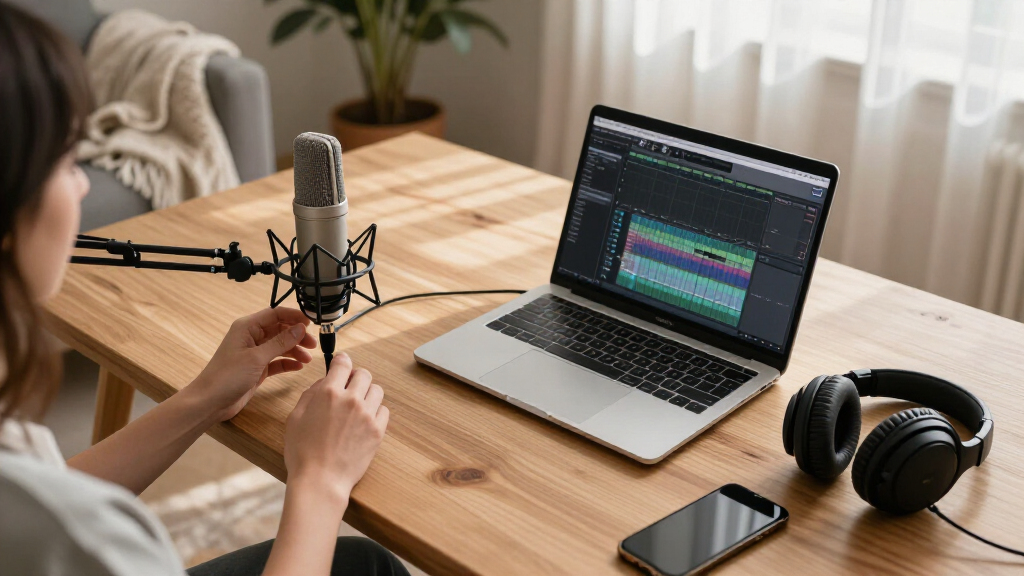

🔍 Read the full analysis: Unlock AI Recording Potential With These Studio Condenser Mics In 2026 on ThorstenMeyerAI.com

Get smart everyday buys delivered free with Prime
- Fast, free delivery on millions of items
- Prime Video, Amazon Music and more included
- Member-only deals all year
TL;DR
In 2026, leading studio condenser microphones like the RØDE NT1 Signature and Audio-Technica AT2020 are enhancing AI-driven recording workflows. This article reviews key models, their features, and what to consider for optimal studio microphone choices for performance.
In 2026, several leading condenser microphones have been introduced or gained prominence for their ability to enhance AI-driven recording workflows, making them essential tools for modern studios. These models, including the RØDE NT1 Signature and Audio-Technica AT2020, are designed to deliver exceptional sound clarity and build quality, helping users unlock new potential in AI-assisted audio production. The development underscores a shift toward microphones optimized for integration with AI and digital workflows, which matters as studios increasingly rely on professional condenser microphones for editing, mastering, and content creation.
Recent releases in 2026 highlight the focus on condenser microphones that combine high-fidelity sound with compatibility for AI-enhanced recording workflows. The RØDE NT1 Signature continues to stand out as a top choice for its pristine audio quality and durable build, making it suitable for professional studios aiming to leverage AI for nuanced sound capture. Meanwhile, the Audio-Technica AT2020 remains popular among budget-conscious users, offering solid performance for home studios and beginners.
Additionally, the RØDE NT1 5th Gen introduces USB-C connectivity, reflecting the trend toward more versatile, plug-and-play microphones that seamlessly integrate with modern digital setups. Despite these advancements, it is not yet clear how widespread or standardized AI-specific features will become across all models, and whether future updates will enhance AI compatibility further.
The 10 picks
- 1
 RØDE NT1 5th Gen Studio Condenser Microphone, XLR + USB-C, SilverView on Amazon →
 - 2
 RØDE NT1 Signature Series Studio Condenser Microphone, BlackView on Amazon →
 - 3
 Audio-Technica AT2020 Cardioid Condenser Studio XLR Microphone, BlackView on Amazon →
 - 4
 AKG Pro Audio P120 – Affordable 2/3-Inch Diaphragm Condenser Microphone for C…View on Amazon →
 - 5
 Melon Audio MA-87 Studio Condenser Microphone with AccessoriesView on Amazon →
 - 6
 MAONO A04 Gen2 XLR/USB Condenser Microphone Kit for PC Podcast RecordingView on Amazon →
 - 7
 Maono PM320S Condenser PC Microphone with XLR Cable, Boom Arm, Pop FilterView on Amazon →
 - 8
 Mackie EM-Series Large-Diaphragm Condenser Microphone (EM-91C)View on Amazon →
 - 9
 FIFINE T669 Studio Condenser USB Microphone for Recording and PodcastingView on Amazon →
 - 10
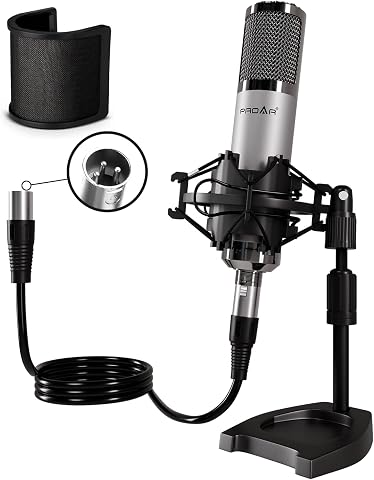 XLR Condenser Microphone with Desktop Stand for Vocals and PodcastingView on Amazon →
Impact of New Microphones on AI Recording in Studios
The introduction of these advanced condenser microphones in 2026 is significant because it aligns with the increasing integration of AI tools into audio production. High-quality mics like the RØDE NT1 Signature enable clearer capture of subtle nuances, which AI algorithms can analyze and enhance, leading to more accurate and efficient editing, mixing, and mastering processes. For content creators, podcasters, and professional studios, this development means more reliable and versatile recording tools that can elevate the quality of AI-assisted projects.
Furthermore, the focus on connectivity options such as USB-C reflects a broader industry shift toward streamlined workflows and compatibility with the latest digital devices, reducing setup complexity and increasing productivity. As AI continues to evolve, microphones that facilitate high-fidelity recording while integrating with AI platforms will become increasingly vital for competitive content creation and professional audio production.
2026 Microphone Innovations and AI Integration Trends
The microphone market in 2026 has seen notable innovations aimed at supporting AI-driven recording workflows. Manufacturers like RØDE and Audio-Technica have introduced models that emphasize not only sound quality but also digital connectivity and compatibility with AI software. Historically, condenser microphones have been favored for their ability to capture detailed audio, but recent models now incorporate features tailored for AI integration, such as improved noise rejection, higher sensitivity, and digital outputs.
These developments follow broader trends in the industry, where AI tools are increasingly used for sound editing, noise reduction, and mastering. The move toward USB-C connectivity and enhanced internal components reflects the need for microphones that can easily connect to modern computers, tablets, and AI platforms, making high-quality recording more accessible and efficient in 2026 than ever before.
“The new condenser microphones released in 2026 are designed to maximize compatibility with AI tools, enabling producers to capture and process audio more precisely than traditional models.”
— Thorsten Meyer, audio technology expert
Unclear Extent of AI-Specific Features Adoption
It is not yet clear how widely AI-specific features will be adopted across all new condenser microphones in 2026. While some models explicitly advertise AI compatibility or enhanced noise rejection, the standardization of these features and their actual impact on workflow efficiency remains to be seen. Further, the long-term durability of digital integrations and software support for these microphones is still developing, and user experiences are pending.
Future Developments and Industry Adoption Expectations
Moving forward, expect manufacturers to release firmware updates and new models that further enhance AI integration capabilities. Industry analysts predict a growing trend of AI-optimized microphones, with future models likely to feature smarter noise reduction, adaptive pickup patterns, and tighter software integration. Users should monitor upcoming product launches and software updates to maximize the benefits of these advancements, as the industry continues to refine AI-compatible audio hardware.
Key Questions
Are these new microphones compatible with existing AI tools?
Many of the 2026 models, like the RØDE NT1 5th Gen, are designed with digital connectivity options that facilitate compatibility with popular AI audio platforms. However, full compatibility depends on software support and updates, which are still evolving.
Do I need special software to use AI features with these microphones?
While some microphones incorporate AI-specific hardware features, most AI processing occurs through external software or plugins. Compatibility varies, so check the specifications of your AI tools and microphone models.
Is a condenser microphone necessary for AI-enhanced recording?
Condenser microphones are preferred for their sensitivity and sound quality, which are beneficial for AI-based editing and processing. However, the choice depends on your recording environment and specific needs.
Will AI features increase the cost of studio microphones?
Typically, microphones with AI-compatible features or digital connectivity options tend to be priced higher than basic models, reflecting added technology and capabilities. Budget options remain available, but advanced AI integration may require a higher investment.
Source: ThorstenMeyerAI.com
Halloween Picks
halloween
As an affiliate, we earn on qualifying purchases.