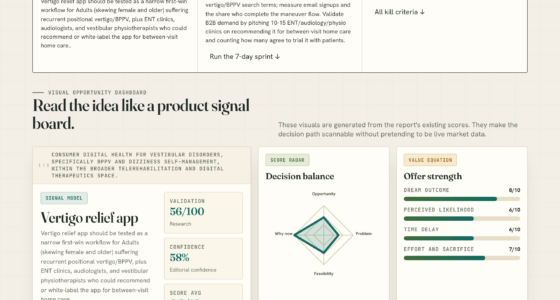
📊 Full opportunity report: How To Implement Remote Work Strength Tests Effectively on IdeaNavigator AI — validation score, market gap, and execution plan.

Get smart everyday buys delivered free — and shop member deals
- Fast, free delivery on millions of items
- Access to Prime Big Deal Days deals on October 6–7
- Prime Video, Amazon Music and more included
TL;DR
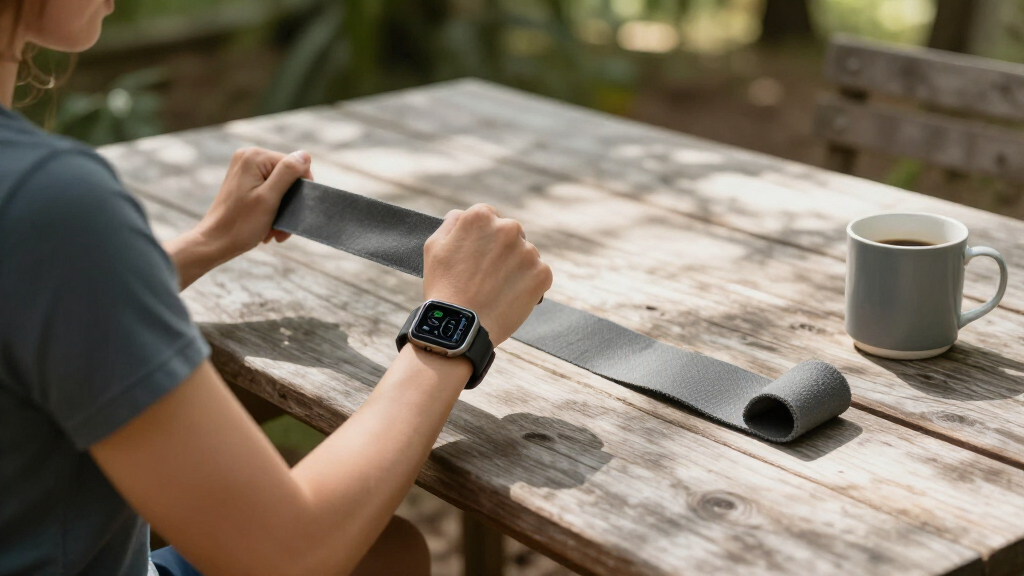
Employers can now implement remote work strength tests using phone cameras and pose estimation to assess employee musculoskeletal health. This approach offers early detection of MSK risks, enabling preventative care. Validation and pilot programs are underway to refine these tools.
Remote work strength tests are emerging as a practical tool for employers to proactively assess employees’ musculoskeletal health from home, leveraging smartphone cameras and pose estimation technology. This development offers a new way to identify early signs of MSK decline before costly clinical episodes occur, addressing a growing concern among HR and benefits leaders in the shift to hybrid and remote work models.
Remote work has led to increased sedentary behavior, reducing incidental movement and ergonomic office setups, which has contributed to a surge in neck, back, and posture-related musculoskeletal (MSK) problems among employees. Employers face rising medical claims and lost workdays but lack lightweight, scalable methods to detect early MSK decline in distributed teams.
Recent advances in smartphone camera technology and pose estimation algorithms now enable guided self-assessments that can evaluate strength, mobility, and posture in just 10 minutes without sensors or clinical oversight. These assessments generate personalized MSK risk scores, suggest corrective routines, and track progress over time, offering a proactive approach to employee health management.
Initial pilots involve deploying web or mobile-based assessments to remote employees, measuring completion and retention rates, and validating camera-derived scores against established self-report questionnaires scored by physical therapists. Success depends on meaningful engagement and score accuracy, with plans to integrate these tools into broader benefits strategies.
Why Remote MSK Screening Is a Game-Changer for Employers
This approach addresses a critical gap in employee health management by shifting from reactive treatment of MSK pain to preventative screening. Early detection of mobility decline can reduce long-term healthcare costs, improve employee well-being, and decrease absenteeism. As remote and hybrid work models become permanent, scalable, privacy-safe assessment tools are increasingly vital for maintaining workforce health and controlling rising medical expenses.
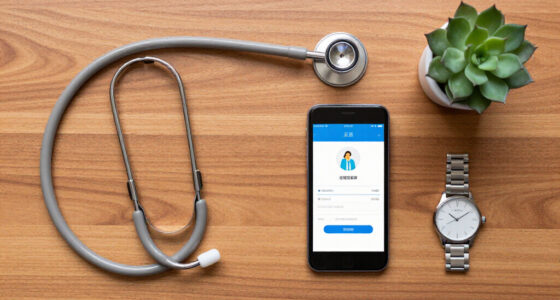
smartphone pose estimation app for musculoskeletal health
As an affiliate, we earn on qualifying purchases.
As an affiliate, we earn on qualifying purchases.
Background on Remote Work and MSK Health Challenges
The shift to remote and hybrid work arrangements has significantly altered employee activity patterns, with many experiencing increased sedentary time and reduced physical movement. MSK issues, such as neck and back pain, are now among the top drivers of employer medical claims, especially in self-insured organizations. Traditional MSK assessments require in-person visits, making them less feasible for remote workers.
Recent technological progress in smartphone camera capabilities and pose estimation algorithms—originally developed for fitness and gaming—has created an opportunity for scalable, at-home MSK screening. These tools can provide real-time movement analysis without the need for specialized sensors or clinical visits, enabling early intervention and continuous health monitoring.
Despite promising developments, validation of these assessments against clinical standards and integration into existing benefits programs are ongoing. Pilot programs are critical to establishing effectiveness, user engagement, and privacy safeguards.
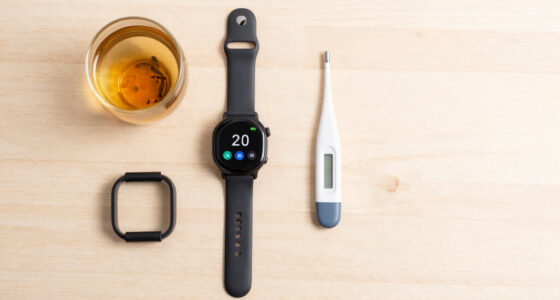
remote employee posture assessment tool
As an affiliate, we earn on qualifying purchases.
As an affiliate, we earn on qualifying purchases.
Uncertainties in Validation and Adoption Pace
While pilots are underway, it remains unclear how accurately camera-based MSK risk scores will correlate with clinical assessments across diverse populations. Adoption rates depend on user engagement, privacy concerns, and integration with existing health programs. Further validation studies and regulatory considerations are still in development, making the timeline for widespread deployment uncertain.
at-home musculoskeletal screening device
As an affiliate, we earn on qualifying purchases.
As an affiliate, we earn on qualifying purchases.
Next Steps for Deployment and Validation of Remote MSK Tests
Within the next 3 to 6 months, pilot programs involving 2-3 employers are expected to gather data on assessment completion, score validity, and employee engagement. Successful pilots could lead to broader rollouts, integration with clinical MSK vendors, and refinement of scoring algorithms. Ongoing research and regulatory input will shape future standards and best practices.
As an affiliate, we earn on qualifying purchases.
Key Questions
How accurate are smartphone-based MSK assessments?
Initial validation efforts compare camera-derived scores with clinical questionnaires scored by physical therapists. While promising, full accuracy across diverse populations is still being tested, and results will inform broader deployment.
What privacy measures are in place for remote assessments?
Assessments are designed to be privacy-safe, with data processed locally on devices or transmitted securely. Employers and vendors are working to ensure compliance with data protection standards.
How will this tool integrate with existing employee health programs?
Planned integrations include dashboards for team-level risk trends, referrals to clinical MSK providers, and follow-up routines, creating a seamless health management ecosystem.
Who can benefit most from this technology?
Remote and hybrid knowledge workers experiencing sedentary behavior are prime candidates, especially in organizations with high MSK-related healthcare costs.
When can employers expect to implement these assessments at scale?
Widespread adoption depends on pilot outcomes, but initial programs could expand within 6 to 12 months, contingent on validation results and regulatory approval.
Source: IdeaNavigator AI
Fall Picks
fall essentials
As an affiliate, we earn on qualifying purchases.