
The best personal finance software for most people is YNAB, because its zero-based budgeting method actually changes spending behavior rather than just tracking it — the main weakness is its subscription price and learning curve. For users who want investment tracking and small-business tools in one place, Quicken Classic Business & Personal is the most capable option here, while Moneydance suits privacy-minded buyers who prefer a one-time purchase over recurring fees. The core tradeoff in this category is between subscription apps with live bank syncing and offline, license-based tools that keep your data local but require more manual work. Mac users face an extra wrinkle, since several Windows-only titles won’t run on their machines at all. Keep reading for the full breakdown of all nine products, including who each one is for and who should skip it.

Get smart everyday buys delivered free — and shop member deals
- Fast, free delivery on millions of items
- Access to Prime Big Deal Days deals on October 6–7
- Prime Video, Amazon Music and more included
Key Takeaways
- Subscription pricing versus one-time licenses was the single biggest divide in this lineup — YNAB and Quicken charge recurring fees for live bank syncing, while Moneydance, SavePoint, and Banktivity keep data local with a single purchase.
- YNAB earned the top spot because it’s the only option built to change spending behavior, not just record it; every alternative here is primarily a tracking or reporting tool.
- Two of the nine products (Financial Peace and Dave Ramsey 5.3) are legacy debt-snowball tools that only make sense for buyers already following Ramsey’s method — they can’t compete on features.
- SavePoint is the only pick with advanced planning tools like Monte Carlo simulations and FIRE projections, making it the clear choice for long-term wealth planners despite zero bank automation.
- Platform compatibility eliminated options for many buyers before price even mattered: Banktivity is Mac-only, while Fun Money, the 3-in-1 suite, and Dave Ramsey 5.3 are Windows-only.
- Quicken Classic is the only product that blends personal and small-business finances, which explains its premium price and why it’s overkill for simple household budgeters.
| Financial Peace Personal Finance Software |  | Best for Financial Literacy Beginners | Category: Personal finance software | Primary Focus: Budgeting, expense tracking, financial literacy | Target Users: Beginners and households | VIEW LATEST PRICE | See Our Full Breakdown |
| You Need A Budget (YNAB) – Personal Finance Software |  | Best Overall | Compatibility: Mac OS X, Linux, Windows | Core Features: Spending tracking, transaction import, reports, recurring scheduling | Bank Integration: Transaction importing supported | VIEW LATEST PRICE | See Our Full Breakdown |
| Quicken Classic Business & Personal for New Subscribers | 1 Year [PC/Mac Online Code] | ” image=”https://m.media-amazon.com/images/I/51sQsom78CL._AC_SX342_SY445_QL70_ML2_.jpg” link=”0″] | Best for Business and Rental Owners | Duration: 1 year subscription | Platform: PC / Mac | Delivery: Online activation code | VIEW LATEST PRICE | See Our Full Breakdown |
| Moneydance Personal Finance Manager for Windows | 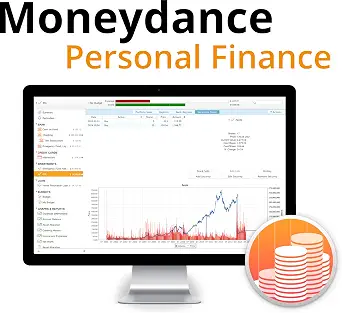 | Best for Multi-Account Power Users | Platform: Windows (desktop) | Account Types: Bank, credit card, investments, and more | Online Banking: Supported | VIEW LATEST PRICE | See Our Full Breakdown |
| Fun Money Budgeting Software for Windows – Personal Finance |  | Best Value for Debt Payoff | Platform: Windows only | Primary Focus: Debt payoff and savings management | Special Feature: Debt-free date prediction | VIEW LATEST PRICE | See Our Full Breakdown |
| 3-in-1 Personal Finance 1.0 for Windows Download |  | Best Calculator Toolkit | Platform: Windows | Delivery: Digital download | Financial Calculators: 14 | VIEW LATEST PRICE | See Our Full Breakdown |
| Dave Ramsey’s Personal Finance Software Version 5.3 |  | Best for Debt-Payoff Beginners | Version: 5.3 | Focus: Debt payoff and budgeting | Methodology: Dave Ramsey Baby Steps | VIEW LATEST PRICE | See Our Full Breakdown |
| Banktivity 6 Mac Personal Finance Manager |  | Best for Mac Households | Platform: Mac | Bank Connectivity: Multiple banks supported | Bill Payment: Built-in | VIEW LATEST PRICE | See Our Full Breakdown |
| SavePoint Personal Finance Software – Budgeting, FIRE Planning, Monte Carlo Simulations, Balance Sheets, Cash Flow, Offline, No Subscriptions + 8GB USB Drive |  | Best for FIRE Planners and Privacy | Offline Operation: Yes | License: Lifetime, one-time purchase | Device Limit: 2 devices | VIEW LATEST PRICE | See Our Full Breakdown |
| personal finance software | Platform |
|---|---|
| Financial Peace Personal Finan | — |
| You Need A Budget | — |
| Quicken Classic Business & Per | PC / Mac |
| Moneydance Personal Finance Ma | Windows (desktop) |
| Fun Money Budgeting Software f | Windows only |
| 3-in-1 Personal Finance 1.0 fo | Windows |
| Dave Ramsey’s Personal Finance | — |
| Banktivity 6 Mac Personal Fina | Mac |
| SavePoint Personal Finance Sof | — |
More Details on Our Top Picks
Financial Peace Personal Finance Software
This option stands out as a teaching tool first and a tracking tool second, which is why it earns the literacy-focused spot in this lineup. Where YNAB assumes you already buy into zero-based budgeting and just need the mechanics, Financial Peace walks users through why budgets work, making it better suited to someone starting from zero financial knowledge. The comprehensive budgeting tools cover everyday expense tracking and goal planning without overwhelming a newcomer. The tradeoff is real, though: documentation on updates, support, and platform details is thin compared with polished options like Moneydance, so buyers who expect frequent feature updates or responsive customer service may feel abandoned. Compared with Fun Money’s debt-prediction gimmicks, this pick takes a slower, more educational route — better for habits, weaker on flash.
Pros:- User-friendly interface that doesn’t intimidate first-time budgeters
- Comprehensive budgeting tools covering expenses and goal planning
- Genuinely improves financial literacy, not just tracking
- Simple enough for household members with no finance background to adopt
Cons:- Limited product documentation and details available before purchase
- No information on updates or customer support
- Lacks modern conveniences like bank transaction importing found in YNAB
Best for: Complete beginners who want to build financial literacy alongside basic budgeting rather than just track numbers
Not ideal for: Experienced budgeters who need robust reporting, bank imports, and ongoing software support
- Category:Personal finance software
- Primary Focus:Budgeting, expense tracking, financial literacy
- Target Users:Beginners and households
- Core Tools:Budget planning, expense tracking, goal setting
- Educational Content:Yes, financial literacy guidance
- Bank Import:Not advertised
- Support/Updates:No information available
Our verdict“Choose this if learning sound money habits matters more to you than advanced features; skip it if you need a powerful transaction hub.”
You Need A Budget (YNAB) – Personal Finance Software
YNAB earns the top spot because it solves the problem most competitors dodge: changing how you relate to money, not just recording where it went. Its cross-platform compatibility (Mac, Linux, Windows) immediately outpaces Fun Money, which strands Windows-only users, and its bank transaction importing plus recurring-transaction scheduling makes day-to-day use far lighter than Financial Peace’s more manual approach. The reporting tools turn raw spending into answers about debt payoff and savings trajectories. The tradeoff is the onboarding: expect a real time investment before the system clicks, and unlike Quicken Classic Business & Personal, there’s no clearly listed price or trial terms here, which makes budgeting your software purchase oddly difficult. For pure household budgeting, though, nothing else in this batch matches its depth.
Pros:- Works across Mac OS X, Linux, and Windows
- Automatic bank transaction importing saves manual entry work
- Recurring transaction scheduling and detailed reporting built in
- Methodology specifically targets debt elimination and savings growth
Cons:- Requires meaningful setup and learning time before it pays off
- No specific pricing information available upfront
- Household-only focus — no business or rental property tools
Best for: Households living paycheck to paycheck who want a proven methodology for getting out of debt and saving deliberately
Not ideal for: Users who want instant, setup-free tracking or need business and rental property features (Quicken covers that better)
- Compatibility:Mac OS X, Linux, Windows
- Core Features:Spending tracking, transaction import, reports, recurring scheduling
- Bank Integration:Transaction importing supported
- Budgeting Method:Zero-based envelope-style budgeting
- Reporting:Spending and savings reports
- Stated Benefits:Stop paycheck-to-paycheck cycle, debt payoff, increased savings
- Pricing:Not specified
Our verdict“This is the pick for anyone serious about transforming their spending habits, provided they’re willing to invest the setup time.”
Quicken Classic Business & Personal for New Subscribers | 1 Year [PC/Mac Online Code]
” image=”https://m.media-amazon.com/images/I/51sQsom78CL._AC_SX342_SY445_QL70_ML2_.jpg” link=”0″]Best for Business and Rental Owners
View Latest PriceThis is the only option in the lineup that treats personal and business finances as one connected picture, which is exactly why landlords and side-business owners should look here first. Built-in Schedule C and Schedule E tax reports, profit-and-loss statements, and cash flow management put it in a different category from YNAB, which is household-only, or Moneydance, which tracks investments but not tax-ready business reporting. The 30-day risk-free trial softens the commitment for a subscription product. The tradeoffs stack up, though: it’s a one-year subscription requiring online activation, so buyers allergic to recurring costs or cloud-validated software — SavePoint’s offline, no-subscription model in this roundup is the opposite philosophy — should think twice. It’s also restricted to new subscribers, so existing Quicken users can’t use this listing.
Pros:- Combines business, rental, and personal finances in one system
- Schedule C & E tax reports, P&L, and cash flow tools built in
- 30-day risk-free trial reduces purchase risk
- Works on both PC and Mac via online code
Cons:- Requires online activation and an internet-connected workflow
- New subscribers only — existing Quicken users excluded
- Ongoing subscription model with no listed price to evaluate value
Best for: Small business owners and rental property landlords who want tax-ready reporting blended with household finances
Not ideal for: Subscription-averse users or those wanting a one-time purchase with offline access
- Duration:1 year subscription
- Platform:PC / Mac
- Delivery:Online activation code
- Finance Types:Business, rental, and personal
- Tax Reports:Schedule C and Schedule E
- Financial Reports:Profit & loss, cash flow
- Trial:30-day risk-free
- Eligibility:New subscribers only
Our verdict“If rental income or self-employment income is part of your financial life, this is the roundup’s clear choice despite the subscription commitment.”
Moneydance Personal Finance Manager for Windows
Moneydance fills the gap between simple budgeters and full business suites: it’s the pick for people whose financial life spans bank accounts, credit cards, and investment portfolios that all need tracking in one place. Unlike Fun Money, which ignores investments entirely, Moneydance treats portfolio tracking as a first-class feature, and its mobile sync across iOS and Android gives it flexibility that the Financial Peace software can’t match. Online banking and bill payment mean fewer logins scattered across bank websites. The tradeoff: this is a download-and-install product with a more traditional desktop feel, so buyers accustomed to slicker web-first experiences like YNAB’s may find the interface dated, and the lack of published pricing or ratings makes it harder to evaluate value before committing. It’s depth over polish, and that split will decide whether it fits you.
Pros:- Tracks bank accounts, credit cards, and investments in one place
- Online banking and bill payment integrated directly
- Syncs with iOS and Android companion apps
- Includes budgeting, reminders, and detailed reporting tools
Cons:- Requires download and installation rather than running in-browser
- No published pricing or customer ratings to verify value
- Desktop-first design feels dated compared with modern web apps
Best for: Detail-oriented users juggling many accounts — banking, credit, and investments — who want offline desktop control with mobile sync
Not ideal for: Users who only need basic household budgeting and would find the extra account machinery overwhelming
- Platform:Windows (desktop)
- Account Types:Bank, credit card, investments, and more
- Online Banking:Supported
- Bill Payment:Built in
- Mobile Sync:Moneydance apps for iOS and Android
- Budgeting:Included with transaction reminders
- Reporting:Detailed financial reports
- Pricing:Not specified
Our verdict“This makes the most sense for multi-account households that want investment tracking alongside budgeting without a Quicken-style subscription.”
Fun Money Budgeting Software for Windows – Personal Finance
Fun Money carves out a narrow but useful niche: visualizing the road to debt-free. Its debt-free prediction feature and visual graphs answer the motivational question most tools skip — “when will I actually be out of this?” — which is something YNAB addresses only through manual report interpretation. The straightforward interface makes it approachable for users who found Moneydance’s multi-account depth intimidating. The tradeoffs are structural: it’s Windows-only, unlike YNAB’s three-platform support, and it has no investment features at all, so anyone building wealth beyond debt payoff will outgrow it fast. Think of it as a focused debt weapon rather than a lifelong finance hub — powerful for one job, limited everywhere else, and priced as a simple utility rather than a subscription commitment.
Pros:- Debt-free prediction tools show a concrete payoff timeline
- Visual graphs make financial progress easy to understand at a glance
- Simple, approachable interface with no steep learning curve
- Focused debt and savings management without clutter
Cons:- Windows-only with no Mac, Linux, or mobile support
- No investment tracking or advanced portfolio features
- Narrow scope means most users will eventually need a fuller tool
Best for: Debt-focused Windows users who want visual motivation and payoff predictions without a complicated learning curve
Not ideal for: Mac or mobile users, and anyone who needs investment tracking or multi-account management
- Platform:Windows only
- Primary Focus:Debt payoff and savings management
- Special Feature:Debt-free date prediction
- Visualizations:Graphs of finances and progress
- Interface:Beginner-friendly
- Investment Tracking:Not supported
- Pricing Model:One-time software purchase
Our verdict“Pick this if killing debt on a Windows machine is your single goal; look elsewhere the moment investing or cross-platform access enters the picture.”
3-in-1 Personal Finance 1.0 for Windows Download
This option stands out for a reason most budgeting apps can’t claim: it bundles 14 dedicated financial calculators alongside its budgeting and goal-tracking tools. Where YNAB focuses narrowly on monthly cash allocation, this package leans into the math side of money — loan amortization, asset values, investment projections — then wraps results into graphical, printable reports you can share with a spouse or advisor. With over 110 budget items across 13 categories, it covers short- and long-term goals with more analytical depth than Fun Money Budgeting Software. The tradeoff is age: the interface feels dated next to modern cloud apps like Quicken Classic, and Windows-only support locks out Mac households entirely.
Pros:- 14 financial calculators cover loans, assets, and investments
- Over 110 budget items across 13 categories
- Graphical and printable progress reports
- Combines goal tracking with analytical planning tools
Cons:- Windows-only, with no Mac version
- Interface feels outdated compared to modern alternatives
Best for: Windows users who want calculator-driven analysis of loans and investments bundled with basic budgeting
Not ideal for: Mac owners or anyone expecting a modern, bank-connected interface — it’s dated and platform-locked
- Platform:Windows
- Delivery:Digital download
- Financial Calculators:14
- Budget Categories:13
- Budget Items:Over 110
- Financial Goals:Short-term and long-term
- Reporting:Graphical and printable reports
Our verdict“This pick makes the most sense for Windows users who want serious number-crunching tools rather than a slick banking dashboard.”
Dave Ramsey’s Personal Finance Software Version 5.3
What separates this from the rest of the lineup is philosophy. Version 5.3 is built around Ramsey’s debt snowball and zero-based budgeting method, so the software nudges you toward paying off debt in a specific order rather than just tracking spending. Compared with Moneydance, which is a full-featured general ledger for power users, this stays deliberately simple: quick setup, an approachable interface, and tools that get a first-time budgeter moving within minutes. The downside is transparency — published feature details and pricing are thin, and it lacks the bank-connectivity depth of Quicken Classic. If you already follow Ramsey’s Baby Steps, the alignment is a genuine advantage; if you want granular investment tracking, look elsewhere.
Pros:- Fast, beginner-friendly setup process
- Intuitive interface with little learning curve
- Effective budgeting tools aligned with the Ramsey method
- Guides users toward a proven debt-payoff sequence
Cons:- Limited published information on features and pricing
- Lacks the depth and bank connectivity of full-featured rivals
Best for: Debt-focused beginners who follow or want to adopt the Ramsey Baby Steps method
Not ideal for: Experienced users who need detailed feature documentation, investment tracking, or bank imports
- Version:5.3
- Focus:Debt payoff and budgeting
- Methodology:Dave Ramsey Baby Steps
- Setup:Quick-start guided process
- Interface:User-friendly, beginner-oriented
Our verdict“This model is better suited to first-time budgeters committed to the debt snowball than to anyone wanting a full financial command center.”
Banktivity 6 Mac Personal Finance Manager
For Mac users, the pickings in this category are thin — most of the roundup, including 3-in-1 Personal Finance and Fun Money, is Windows-bound. Banktivity 6 fills that gap with multi-bank connectivity, built-in bill payment, and private cloud sync that keeps data current across devices without handing it to a third-party aggregator. Compared with SavePoint, which deliberately avoids the cloud, Banktivity trades some privacy for convenience — your balances update themselves. The tradeoffs are real: setup and feature discovery take longer than Dave Ramsey’s streamlined tool, and the ecosystem is Apple-only, so mixed Windows/Mac families will feel excluded.
Pros:- Connects to numerous banks for automatic data sync
- Built-in bill payment saves app-switching
- Private cloud sync across Apple devices
- Polished, Mac-native experience
Cons:- Mac-only, excluding Windows and mixed-platform households
- Steeper learning curve than beginner-focused options
Best for: All-Apple households who want automated bank syncing and bill pay in a native Mac app
Not ideal for: Windows users or privacy-first buyers who prefer offline tools like SavePoint
- Platform:Mac
- Bank Connectivity:Multiple banks supported
- Bill Payment:Built-in
- Sync:Private cloud synchronization
- Setup:Easy with guided onboarding
- Core Features:Budgeting, bill pay, account aggregation
Our verdict“This is the clear choice for Apple-centric households that want connected convenience — as long as everyone in the house is on a Mac.”
SavePoint Personal Finance Software – Budgeting, FIRE Planning, Monte Carlo Simulations, Balance Sheets, Cash Flow, Offline, No Subscriptions + 8GB USB Drive
SavePoint carves out a niche none of the others touch: long-horizon retirement modeling with Monte Carlo simulations, balance sheets, and cash-flow forecasting — the toolkit of a serious FIRE chaser. Where Quicken Classic charges annually and Banktivity leans on cloud sync, SavePoint is a one-time purchase with lifetime updates and runs fully offline, meaning no subscriptions and no data leaving your machine. The included 8GB USB drive and support for 150+ currencies and 8 languages add genuine portability. The flip side of offline is manual: there’s no automatic bank feed or cloud backup, so you’re entering and safeguarding data yourself — a dealbreaker for anyone who loved Banktivity’s hands-off syncing.
Pros:- Monte Carlo simulations and FIRE planning tools are rare at this price
- One-time purchase with lifetime updates, no subscriptions
- Fully offline operation keeps financial data private
- 8 languages, 150+ currencies, and 2-device portability via USB
Cons:- No cloud backup or automatic bank syncing — all manual entry
- Limited to Windows PC and Mac platforms
Best for: FIRE-focused planners and privacy-minded users who want advanced simulations without subscriptions
Not ideal for: Anyone who wants automatic bank imports and cloud backup — everything here is manual
- Offline Operation:Yes
- License:Lifetime, one-time purchase
- Device Limit:2 devices
- Languages:8
- Supported Currencies:150+
- Includes USB Drive:8GB
- Platforms:Windows PC and Mac
- Key Tools:Budgeting, FIRE planning, Monte Carlo simulations, balance sheets, cash flow
Our verdict“This pick makes the most sense for hands-on planners who’d rather own their tools and data forever than rent a connected app by the year.”

How We Picked
I evaluated each product against four buyer-facing criteria: budgeting effectiveness (does it help you make better decisions, or just record old ones), automation and connectivity (bank syncing, transaction import, reconciliation), platform and pricing model (subscription versus one-time license, Windows versus Mac), and depth of planning tools (reports, net worth, investments, retirement projections). Products that solve a specific problem exceptionally well ranked above generalists that do everything adequately.
The ranking order reflects that logic. YNAB leads because its methodology produces measurable behavior change, even at a premium subscription price. Quicken follows as the most feature-complete option for complex finances. Moneydance, Banktivity, and SavePoint fill distinct niches — privacy, Mac ecosystem, and long-range planning — while the budget-focused and legacy Ramsey titles sit lower because their narrow scope limits who they serve.
| personal finance software | Platform |
|---|---|
| Financial Peace Personal Finan | — |
| You Need A Budget | — |
| Quicken Classic Business & Per | PC / Mac |
| Moneydance Personal Finance Ma | Windows (desktop) |
| Fun Money Budgeting Software f | Windows only |
| 3-in-1 Personal Finance 1.0 fo | Windows |
| Dave Ramsey’s Personal Finance | — |
| Banktivity 6 Mac Personal Fina | Mac |
| SavePoint Personal Finance Sof | — |
Factors to Consider When Choosing Personal Finance Software
Beyond the individual products, choosing personal finance software well means matching the tool to how you actually manage money. These are the factors that most often make or break the purchase.Subscription or One-Time Purchase?
This is the decision that shapes everything else. Subscription apps like YNAB and Quicken justify recurring fees with continuous bank syncing, updated transaction categorization, and support — but at $80–100+ per year, a five-year cost of $400+ is real money for a budgeting tool. One-time-license products such as Moneydance and SavePoint cost more upfront in some cases but stop costing you anything afterward, which matters if you plan to use the same system for a decade. The mistake I see most often is buyers assuming subscriptions are automatically better; if you’re willing to import transactions manually or semi-automatically, a license-based tool does 90% of the work for a fraction of the lifetime cost. The reverse mistake is buying a cheap one-time license and then abandoning it because manual entry wore you down.
Methodology Fit Matters More Than Features
A common buying error is comparing feature checklists while ignoring how the software wants you to think about money. YNAB’s zero-based envelope method forces you to assign every dollar a job before the month starts — powerful for overspenders, frustrating for people who just want a spending dashboard. Ramsey-style tools assume you’re following the debt-snowball baby steps and structure everything around them. Tools like Moneydance and Quicken are methodology-neutral, which is better for analytically minded users who already have a system. Before buying, ask whether you want the software to teach you a method or to support the method you already have — the answer points to completely different products.
Bank Connectivity and Data Privacy
Automatic transaction sync is the feature most buyers say they can’t live without, yet it’s also the biggest privacy tradeoff. Cloud-synced products route your banking credentials and transaction data through third-party servers, which is exactly what offline tools like SavePoint are designed to avoid. Direct-connect options (used by Moneydance and Banktivity) offer a middle path — your bank’s own servers talk to the app without an intermediary aggregator, though not every bank supports it. The practical question is how many accounts you hold: two or three accounts are manageable to update manually, while a dozen makes automation nearly mandatory. Buyers who skip this consideration entirely often end up paying for sync they don’t use — or fighting constant connection failures with banks the aggregator doesn’t support well.
Planning Depth: Budgets Versus Balance Sheets
There’s a real difference between software that manages this month and software that models the next thirty years. Most of the products in this roundup are budgeting-first — they answer “can I afford this?” — while SavePoint’s Monte Carlo simulations and FIRE projections answer “will my money last?” Quicken and Banktivity sit in between, adding investment tracking and net-worth history to everyday budgeting. The mistake here is overbuying: a household that lives paycheck to paycheck gains nothing from retirement simulations it will never run, while someone five years from financial independence will outgrow a simple budget app within months. Match the planning horizon of the software to your actual financial questions.
Platform and Household Constraints
Compatibility sounds basic, but it quietly disqualifies more options than price does. Banktivity is Mac-only, while Fun Money, the 3-in-1 suite, and both Ramsey titles are Windows-only — mixed-device households need cross-platform options like YNAB (browser and mobile) or Quicken. Multi-user access matters too: couples managing money together benefit from apps with shared mobile access and real-time sync, which offline desktop tools handle poorly. Mobile apps themselves vary widely, from YNAB’s full-featured companion to essentially nonexistent in some legacy titles. If you do most of your financial thinking away from a desk, weigh the mobile experience as heavily as the desktop one.
Learning Curve and Longevity
The best personal finance software is the one you’ll still open in month six, and steep learning curves are the most common reason people quit. YNAB openly takes a month or two to click; Quicken’s decades of accumulated features make its interface dense; simple tools like Fun Money are learnable in an afternoon but limited forever. Also weigh vendor longevity — a subscription implies ongoing development, while a small one-time-purchase product may never receive major updates (a real risk with legacy titles like Dave Ramsey 5.3, which is no longer actively developed). My advice for beginners is to start with the simplest tool that solves your immediate problem, then upgrade deliberately when you hit its ceiling, rather than buying the most powerful option first and drowning in it.
Frequently Asked Questions
Is YNAB worth the subscription price compared to free or one-time-purchase alternatives?
It depends on whether behavior change or record-keeping is your goal. YNAB costs roughly $100 per year, which feels steep next to a one-time license like Moneydance or SavePoint, but its zero-based method is the only approach in this lineup with a track record of actually reducing overspending rather than just documenting it. If you’ve tried free trackers and still run out of money before the month ends, the subscription can pay for itself quickly. If you already budget successfully and mainly want reports, net-worth tracking, and investment views, the cheaper license-based tools deliver more raw capability per dollar. The honest answer is that YNAB is worth it for people who need the discipline, and overpriced for people who don’t.
Do I need bank syncing, or is manual transaction entry workable?
Manual entry is workable for simple finances but becomes a chore past roughly five accounts. The hidden benefit of automation isn’t just convenience — it also catches forgotten recurring charges and fraud you’d otherwise miss. That said, offline tools like SavePoint and Moneydance typically support file-based import (OFX/QFX), which gets you 80% of automation without cloud credential sharing. Buyers who value privacy or bank at smaller institutions where aggregator sync is unreliable often prefer this route. The practical test: if you’d stop updating the software within two months of manual entry, buy the sync; if you’d stick with it, don’t pay for what you won’t use.
What’s the difference between Quicken Classic and lighter budgeting tools — and when is Quicken overkill?
Quicken Classic Business & Personal combines household budgeting, investment portfolio tracking, retirement planning, and small-business features like invoicing and rental-property management in one package. That breadth justifies its premium subscription if you actually have a business, rentals, or a complex investment situation to track. For a typical household with a checking account, a savings account, and a 401(k), Quicken is overkill — its dense interface exists to serve complexity you don’t have, and lighter tools like YNAB or Moneydance cover the same needs for less money and less frustration. The rule of thumb: if you’d need a spreadsheet alongside your finance software, Quicken makes sense; if not, skip it.
Are the Dave Ramsey-branded software options still a good buy?
Only within a narrow context. Both Financial Peace and Dave Ramsey’s Personal Finance Software 5.3 are legacy products built around the debt-snowball baby steps, and they lag badly on modern expectations — no reliable bank syncing, dated interfaces, and limited platform support. If you’re deeply committed to Ramsey’s method and want software that mirrors his worksheets exactly, they can work as structured companions. For everyone else, YNAB accomplishes similar debt-payoff discipline with far better tooling, and any modern budgeting app can implement a snowball manually. I’d treat these as niche purchases for method loyalists rather than general recommendations, which is why both rank near the bottom of this comparison.
Which option should a Mac user choose, and does platform really limit my choices here?
Platform genuinely limits you: of the nine products, only YNAB, Quicken, Moneydance, and SavePoint run on Mac, while Fun Money, the 3-in-1 suite, and both Ramsey titles are Windows-only. Banktivity is the reverse — built exclusively for Mac and deeply integrated with macOS, iCloud, and iPhone. For Mac households wanting native polish and investment tracking, Banktivity is the strongest choice; Moneydance is the cross-platform pick if you also use Windows machines. YNAB sidesteps the issue entirely by running in a browser with full mobile apps. My suggestion is to filter by platform first, since no feature set compensates for software you can’t install.
Conclusion
After comparing all nine options, the right choice comes down to what kind of money manager you are. For best overall, YNAB stands out as the pick that changes financial behavior, not just records it — worth the subscription if budget discipline is your gap. For best value, Moneydance delivers bank connectivity, investment tracking, and cross-platform support for a single one-time license, making it the strongest capability-per-dollar in the lineup. For the premium buyer with businesses, rentals, or complex investments, Quicken Classic Business & Personal is the only tool here that covers all of it, and its price reflects that.
Beginners should start with Fun Money Budgeting Software, whose simple interface teaches budgeting fundamentals without a steep learning curve or monthly fee. For specific needs: Banktivity for dedicated Mac users wanting native polish, SavePoint for FIRE planners and privacy-focused buyers who want Monte Carlo simulations with zero subscriptions, and the Ramsey titles only for those already committed to the baby steps. Whatever you choose, pick the tool that matches how you’ll actually use it in month six — consistency beats features every time.
Fall Picks
fall essentials
As an affiliate, we earn on qualifying purchases.