Fraud protection services for seniors can mean anything from practical prevention guides to instructions for responding after money or personal information has been exposed. Among these 15 books, Scam-Proof for Seniors is my best overall pick for its plain-English focus on spotting fraud and protecting money. Money Smart for Older Adults stands out for financial exploitation, while Recovery After a Scam is the clearest fit for readers who need post-incident steps. The main tradeoff is breadth versus focus: a broad guide may cover more scam types, while a targeted book can be easier to use for a specific concern. Read on for the full comparison and help choosing the right guide for an older adult or family member.

Get smart everyday buys delivered free with Prime
- Fast, free delivery on millions of items
- Prime Video, Amazon Music and more included
- Member-only deals all year
Key Takeaways
- Scam-Proof for Seniors takes the best-overall spot because its plain-English scope connects fraud recognition with protecting money, rather than focusing on just one channel.
- Money Smart for Older Adults is the strongest specialist choice for readers concerned about financial exploitation, but it is less suited to someone seeking a broad guide to online, phone, and identity scams.
- Recovery After a Scam fills a different need from prevention-first books: its focus on limiting further loss, protecting accounts and devices, preserving evidence, and reporting makes it the clearest post-scam choice.
- The titles aimed at beginners and readers over 65 signal a more accessible starting point, while guides centered on cybersecurity, online scams, or AI scams make more sense when those channels are the main concern.
- Large-print format and an account organizer set one guide apart for readers who benefit from readable text and a place to record account details, but an organizer should be stored securely and never treated as a substitute for safe password management.
| Money Smart for Older Adults: Prevent Financial Exploitation | 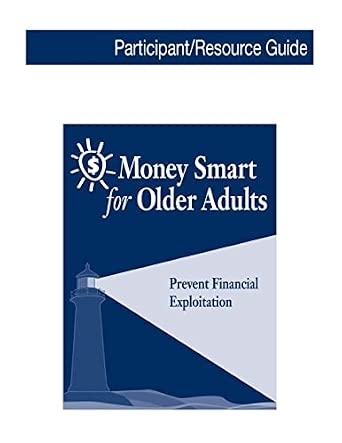 | Best for Financial Exploitation Awareness | ASIN: 1503281272 | Title: Money Smart for Older Adults: Prevent Financial Exploitation | Stated audience: Older adults | VIEW LATEST PRICE | See Our Full Breakdown |
| The Day I Nearly Got Scammed: A Calm, Practical Protection Guide for People Over 65 |  | Best for Reassuring Scam-Prevention Guidance | ASIN: B0H346PPQ9 | Title: The Day I Nearly Got Scammed: A Calm, Practical Protection Guide for People Over 65 | Stated audience: People over 65 | VIEW LATEST PRICE | See Our Full Breakdown |
| Fraud Fighter 101: Cybersecurity for Senior Citizens |  | Best for Seniors Focused on Cybersecurity | ASIN: B0FQK3HNXN | Title: Fraud Fighter 101: Cybersecurity for Senior Citizens | Stated audience: Senior citizens | VIEW LATEST PRICE | See Our Full Breakdown |
| Scam-Proof for Seniors: A Plain-English Guide to Spotting Fraud, Avoiding Traps, and Protecting Your Money |  | Best for Plain-English Fraud Prevention | ASIN: B0H6YT433R | Title: Scam-Proof for Seniors: A Plain-English Guide to Spotting Fraud, Avoiding Traps, and Protecting Your Money | Stated audience: Seniors | VIEW LATEST PRICE | See Our Full Breakdown |
| I Think I’ve Been Scammed: A Simple Step Guide for Seniors and Families | 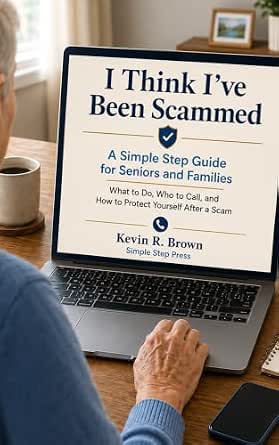 | Best for Seniors and Families Taking Action | ASIN: B0HF5SRFW8 | Title: I Think I’ve Been Scammed: A Simple Step Guide for Seniors and Families | Stated audience: Seniors and families | VIEW LATEST PRICE | See Our Full Breakdown |
| Safe and Secure: A Senior’s Guide to Avoiding Scams | 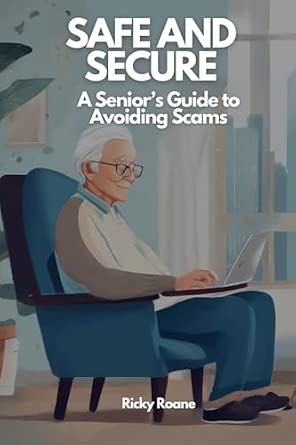 | Best for Straightforward Scam-Avoidance Guidance | Format: Not specified | Intended audience: Seniors | Primary focus: Recognizing and avoiding scams | VIEW LATEST PRICE | See Our Full Breakdown |
| Protecting Seniors from Scams: A Guide to Recognizing, Avoiding, and Responding to Fraud |  | Best for Prevention Plus Basic Response Guidance | Format: Not specified | Intended audience: Seniors | Topics: Recognizing scams, avoiding fraud, responding to scams | VIEW LATEST PRICE | See Our Full Breakdown |
| Scam and Fraud Protection for Seniors: A Large-Print Guide and Password & Account Organizer |  | Best for Large-Print Reading and Account Organization | Format: Large-print guide and fill-in organizer | Intended audience: Seniors | Topics: Phone, online, AI voice, and financial scams | VIEW LATEST PRICE | See Our Full Breakdown |
| Don’t Get Scammed! A Senior’s Guide to Spotting Online Fraud, Phone Scams, and Identity Theft |  | Best for Plain-Language, Actionable Prevention | Format: Guide | Intended audience: Adults over 60 | Language approach: Plain language | VIEW LATEST PRICE | See Our Full Breakdown |
| Recovery After a Scam: How to Stop Additional Loss, Protect Money, Identity, Accounts & Devices, Preserve Evidence, Report Incidents – Online Scams for Seniors (Book 12) |  | Best for After-the-Scam Recovery | Format: Book; specific format not provided | Intended audience: Seniors | Focus: Recovery after an online scam | VIEW LATEST PRICE | See Our Full Breakdown |
| The Senior Scam Safety Handbook: A Practical Guide to Spotting Fraud and Protecting Your Money |  | Best for Phone and AI Impersonation Scams | Format: Handbook | Intended audience: Seniors | Phone scams: Covered | VIEW LATEST PRICE | See Our Full Breakdown |
| Scam-Proof Seniors: A 3-Step Plan to Avoid Online Scams and Protect Your Retirement Savings |  | Best for a Simple Online-Scam Framework | Format: Guide | Intended audience: Seniors | Stated framework: Three-step plan | VIEW LATEST PRICE | See Our Full Breakdown |
| Scam Prevention and Protection Guide for Seniors |  | Best for Straightforward Prevention Guidance | Format: Guide | Intended audience: Seniors | Primary purpose: Scam prevention and protection | VIEW LATEST PRICE | See Our Full Breakdown |
| Scam-Proof: The Complete Fraud Protection Guide for Seniors |  | Best for a Broad Reference-Style Starting Point | Format: Guide | Intended audience: Seniors | Stated subject: Fraud protection | VIEW LATEST PRICE | See Our Full Breakdown |
| Scam-Proof: How to Recognize Phone, Text, Email, Online, and AI Scams—and Protect Your Money and the People You Love |  | Best for Multi-Channel Scam Awareness | Format: Guide | Phone scams: Covered | Text scams: Covered | VIEW LATEST PRICE | See Our Full Breakdown |
| fraud protection services for senior | Format | ASIN | Intended audience |
|---|---|---|---|
| Money Smart for Older Adults: | — | 1503281272 | — |
| The Day I Nearly Got Scammed: | Not specified | B0H346PPQ9 | — |
| Fraud Fighter 101: Cybersecuri | — | B0FQK3HNXN | — |
| Scam-Proof for Seniors: A Plai | — | B0H6YT433R | — |
| I Think I’ve Been Scammed: A S | Not specified | B0HF5SRFW8 | — |
| Safe and Secure: A Senior’s Gu | Not specified | — | Seniors |
| Protecting Seniors from Scams: | Not specified | — | Seniors |
| Scam and Fraud Protection for | Large-print guide and fill-in organizer | — | Seniors |
| Don’t Get Scammed! A Senior’s | Guide | — | Adults over 60 |
| Recovery After a Scam: How to | Book; specific format not provided | — | Seniors |
| The Senior Scam Safety Handboo | Handbook | B0H7NBCHFW | Seniors |
| Scam-Proof Seniors: A 3-Step P | Guide | B0H4PVGJYZ | Seniors |
| Scam Prevention and Protection | Guide | B0HG5X76LH | Seniors |
| Scam-Proof: The Complete Fraud | Guide | B0GR867D42 | Seniors |
| Scam-Proof: How to Recognize P | Guide | B0HFX9WTNX | — |
More Details on Our Top Picks
Money Smart for Older Adults: Prevent Financial Exploitation
Money Smart for Older Adults is the most explicitly focused option here on financial exploitation, making it a fit for readers who want to learn about protecting money rather than follow a broad, step-by-step response guide. Its title frames the subject around prevention, while I Think I’ve Been Scammed is aimed more directly at practical steps for seniors and families facing scam scenarios. The key limitation is the sparse information available: I can’t confirm its format, length, examples, or whether it includes specific actions for reporting suspected abuse. That makes it harder to recommend as a stand-alone action plan. I would choose it for awareness-building, especially alongside trusted financial or community support, but readers who want clearly described, hands-on instructions may prefer the more explicit step-by-step promise of the other guide.
Pros:- Its title directly addresses financial exploitation of older adults.
- Prevention is the stated focus, which suits readers seeking awareness before a suspected incident.
- The subject is distinct from guides framed mainly around general scam scenarios.
Cons:- No details are provided about format, length, or teaching approach.
- The available description does not confirm concrete reporting or recovery steps.
Best for: Older adults or family members seeking a resource specifically centered on preventing financial exploitation.
Not ideal for: Readers who need a clearly documented checklist for handling an active scam, since the available details don’t establish that this book provides one.
- ASIN:1503281272
- Title:Money Smart for Older Adults: Prevent Financial Exploitation
- Stated audience:Older adults
- Stated subject:Financial exploitation prevention
- Product type:Resource; format not specified
- Scam examples:Not specified
Our verdict“Choose this for a focused introduction to preventing financial exploitation, not as a verified step-by-step response manual.”
The Day I Nearly Got Scammed: A Calm, Practical Protection Guide for People Over 65
The Day I Nearly Got Scammed is positioned for people over 65 who want scam-protection advice delivered in a calm, practical tone. That framing may make the subject feel more approachable than a title built around cybersecurity terminology, such as Fraud Fighter 101: Cybersecurity for Senior Citizens. Its stated emphasis is recognizing and protecting against scams, though the supplied details don’t identify particular scam types, checklists, or follow-up actions. Compared with Scam-Proof for Seniors, which explicitly promises plain-English coverage of spotting fraud and protecting money, this guide’s clearest distinction is its reassuring approach and age-specific audience. I would shortlist it for readers who feel uneasy about scam-prevention material, while anyone wanting documented coverage of financial safeguards or incident response should look for more detail before choosing.
Pros:- Specifically aimed at readers over 65.
- Focuses on recognizing scams and protecting against them.
- Its described calm approach may suit readers who find fraud material stressful.
Cons:- No specific scam examples or protective procedures are described.
- Available information does not establish its depth or coverage of response steps.
Best for: Readers over 65 who want a reassuring introduction to recognizing scams and protecting themselves.
Not ideal for: Buyers seeking confirmed coverage of specific scam categories, reporting procedures, or advanced cybersecurity practices.
- ASIN:B0H346PPQ9
- Title:The Day I Nearly Got Scammed: A Calm, Practical Protection Guide for People Over 65
- Stated audience:People over 65
- Stated purpose:Recognizing and protecting against scams
- Described approach:Calm and practical
- Format:Not specified
Our verdict“Pick this for a calm, age-targeted introduction, but seek a more detailed resource if you need confirmed procedures or topic coverage.”
Fraud Fighter 101: Cybersecurity for Senior Citizens
Fraud Fighter 101 is the clearest fit in this group for a senior whose main concern is digital security: its title specifically pairs cybersecurity with fraud prevention. That distinguishes it from Money Smart for Older Adults, whose stated focus is financial exploitation rather than cybersecurity. The title alone doesn’t confirm which online threats, devices, or protective steps the book covers, so I wouldn’t assume it offers detailed instructions on passwords, account recovery, or reporting. Its senior-focused framing is useful, but the available description is too limited to judge how accessible or practical the material is. Choose it when cybersecurity is the priority and you can verify that its contents match your needs; readers wanting a clearly stated plain-English overview of spotting fraud may find Scam-Proof for Seniors easier to evaluate from the product information provided.
Pros:- Names cybersecurity as its central topic.
- Explicitly addresses senior citizens.
- Connects digital security with fraud prevention.
Cons:- No specific cybersecurity topics or instructions are described.
- The available details don’t establish its format, accessibility, or depth.
Best for: Older adults seeking a resource specifically framed around cybersecurity and fraud prevention.
Not ideal for: Readers who need verified guidance on particular devices, online scams, or step-by-step account recovery.
- ASIN:B0FQK3HNXN
- Title:Fraud Fighter 101: Cybersecurity for Senior Citizens
- Stated audience:Senior citizens
- Stated subject:Cybersecurity and fraud
- Product type:Cybersecurity resource; format not specified
- Specific threats covered:Not specified
Our verdict“Consider this for a senior-focused cybersecurity angle, but verify the contents if you need concrete digital-safety instructions.”
Scam-Proof for Seniors: A Plain-English Guide to Spotting Fraud, Avoiding Traps, and Protecting Your Money
Scam-Proof for Seniors makes its intended benefit unusually clear: plain-English guidance on spotting fraud, avoiding traps, and protecting money. That explicit scope gives it an advantage over Fraud Fighter 101, whose cybersecurity focus is apparent but whose specific coverage isn’t described. It is also the first book in The Scam-Smart Survival Series, which may appeal to readers who want to explore related material, though no details here establish what later books cover. The available description doesn’t say whether this guide includes checklists, reporting instructions, or particular scam examples, so I would not treat its broad promise as proof of an incident-response plan. This is the most legible choice for readers seeking an accessible prevention overview; families dealing with a suspected scam may prefer the explicitly step-by-step framing of I Think I’ve Been Scammed.
Pros:- Explicitly describes its approach as plain English.
- Covers spotting fraud, avoiding scams, and protecting money in its stated scope.
- Identified as the first book in The Scam-Smart Survival Series.
Cons:- The available details don’t confirm specific examples or practical tools.
- No reporting or recovery steps are identified in the description.
Best for: Older adults who want an accessible, plain-English overview focused on spotting fraud and protecting money.
Not ideal for: Readers who need confirmed reporting instructions, detailed scam examples, or a response plan for an active incident.
- ASIN:B0H6YT433R
- Title:Scam-Proof for Seniors: A Plain-English Guide to Spotting Fraud, Avoiding Traps, and Protecting Your Money
- Stated audience:Seniors
- Stated topics:Spotting fraud, avoiding traps, protecting money
- Described language approach:Plain English
- Series:The Scam-Smart Survival Series
- Series position:Book 1
Our verdict“Choose this for an accessible fraud-prevention overview, while readers needing immediate response steps should compare it with I Think I’ve Been Scammed.”
I Think I’ve Been Scammed: A Simple Step Guide for Seniors and Families
I Think I’ve Been Scammed stands out for pairing senior-friendly language with step-by-step advice for both older adults and their families. That makes its stated purpose more action-oriented than Money Smart for Older Adults, which is framed around preventing financial exploitation. The description also mentions common scam scenarios and protecting personal information and finances, giving buyers a clearer sense of its practical focus than the sparse listing for Fraud Fighter 101. The tradeoff is scope: the supplied details acknowledge that it may not cover every emerging scam and that advanced users may find it limited. The description doesn’t specify particular reporting or recovery procedures, either. I would favor it when a senior and a relative want an understandable starting point for recognizing and responding to common situations, not as a complete reference for every fraud or technical threat.
Pros:- Written for seniors and families, making it suitable for shared use.
- Promises practical, step-by-step advice in clear language.
- Addresses common scam scenarios and protection of personal and financial information.
Cons:- May not cover every emerging scam type.
- Its stated depth may not satisfy advanced users.
- Specific reporting and recovery procedures are not described.
Best for: Seniors and relatives who want clear, step-by-step guidance for common scam situations and basic protection of personal information and finances.
Not ideal for: Advanced users or families seeking exhaustive coverage of emerging scams and verified incident-reporting procedures.
- ASIN:B0HF5SRFW8
- Title:I Think I’ve Been Scammed: A Simple Step Guide for Seniors and Families
- Stated audience:Seniors and families
- Stated approach:Simple, step-by-step guidance
- Stated topics:Common scams, personal information, and finances
- Language approach:Clear language
- Format:Not specified
Our verdict“Choose this for accessible, shared guidance on common scam situations; look elsewhere for exhaustive or advanced incident-response coverage.”
Safe and Secure: A Senior’s Guide to Avoiding Scams
Safe and Secure is the most narrowly framed prevention pick here: its description centers on recognizing and avoiding scams, making it a possible starting point for seniors who want a guide focused on staying out of trouble before a loss occurs. The title is less specific about scam categories and practical response steps than Don’t Get Scammed!, whose description promises plain-language advice across online fraud, phone scams, and identity theft. That makes this book harder to judge for readers seeking clearly defined coverage. The supplied information does not identify its format, accessibility features, or whether it includes checklists, so I would not assume those are included. Its main tradeoff is that the subject fits a prevention-minded reader, but the limited product details make it difficult to compare its depth with more clearly described guides.
Pros:- Directly focused on senior scam awareness and avoidance
- The title makes its prevention-oriented purpose clear
- May suit readers looking for a general introduction rather than a recovery manual
Cons:- The supplied description does not identify covered scam types or practical exercises
- No format or accessibility information is provided
- No details establish whether it explains what to do after a scam
Best for: Seniors who want a general guide to recognizing and avoiding scams and are comfortable checking the book’s contents before relying on it.
Not ideal for: Readers who need confirmed large print, specific coverage of particular scam types, or a step-by-step recovery plan after fraud.
- Format:Not specified
- Intended audience:Seniors
- Primary focus:Recognizing and avoiding scams
- Scam categories:Not specified
- Response guidance:Not specified
- Accessibility features:Not specified
Our verdict“Choose it as a general prevention guide only if its full contents confirm the level of detail and format you need.”
Protecting Seniors from Scams: A Guide to Recognizing, Avoiding, and Responding to Fraud
This guide earns a distinct place because its stated scope extends beyond spotting and avoiding fraud to responding when targeted. That broader arc may help a senior connect prevention with a next step, while Safe and Secure: A Senior’s Guide to Avoiding Scams is described only as a recognition-and-avoidance guide. The comparison is based on the supplied descriptions, though: no specific response procedures, scam examples, format, or accessibility details are provided for this title. Readers should not assume it includes instructions for contacting banks, securing accounts, or reporting incidents. Its appeal is a clearly stated three-part focus; its limitation is the lack of detail about how those topics are taught. It is a more suitable candidate for someone who wants prevention and response in one guide, but less certain for anyone needing a verified, detailed action plan.
Pros:- Explicitly covers recognizing scams, avoiding fraud, and responding to scams
- Designed around scam awareness for seniors
- Its stated response focus goes beyond the avoidance-only description of Safe and Secure
Cons:- The supplied information gives no detail about response procedures
- No format or accessibility features are identified
- Specific scam categories and depth of coverage are not stated
Best for: Seniors who want one guide that is described as covering scam recognition, prevention, and what to do when targeted.
Not ideal for: Readers who need confirmed recovery steps, specific reporting instructions, large print, or other documented accessibility features.
- Format:Not specified
- Intended audience:Seniors
- Topics:Recognizing scams, avoiding fraud, responding to scams
- Scam categories:Not specified
- Response guidance:Included as a stated topic; details not provided
- Accessibility features:Not specified
Our verdict“Pick this guide over an avoidance-only title if you want response guidance included, but verify that its actual instructions match your needs.”
Scam and Fraud Protection for Seniors: A Large-Print Guide and Password & Account Organizer
Large print plus a fill-in organizer sets this apart from the other books in this group. The guide addresses phone, online, AI voice, and financial scams, while dedicated space for passwords and account information adds a practical organizing task that isn’t described for Don’t Get Scammed! The large-print format may be helpful for seniors who find standard text uncomfortable to read. Still, writing sensitive account details in a book creates a real security tradeoff: it should be stored carefully, and users should not treat a paper organizer as a secure digital vault. The supplied description also does not explain its advice for responding after a scam, which is a gap compared with Recovery After a Scam. This pick fits readers who want accessible prevention material and a physical organizer, not those seeking a dedicated incident-response manual.
Pros:- Large-print format is intended to make reading easier
- Covers phone, online, AI voice, and financial scams
- Includes fill-in space for passwords and account information
- Combines scam-prevention reading with a practical organizing aid
Cons:- Written account details could create a security risk if the organizer is lost or seen by others
- The supplied description does not specify recovery steps after a scam
- No information is provided about the guide’s length or the organizer’s layout
Best for: Seniors who prefer large print and want a paper-based place to organize account information alongside guidance on common scams.
Not ideal for: Readers who need detailed post-scam recovery instructions or who do not have a secure place to store written account details.
- Format:Large-print guide and fill-in organizer
- Intended audience:Seniors
- Topics:Phone, online, AI voice, and financial scams
- Organizer:Space for passwords and account information
- Reading format:Large print
- Response guidance:Not specified
Our verdict“Choose this if large print and a physical account organizer matter more than a dedicated recovery plan or secure digital storage.”
Don’t Get Scammed! A Senior’s Guide to Spotting Online Fraud, Phone Scams, and Identity Theft
For a senior who wants clear advice to put into practice, Don’t Get Scammed! has one of the most useful descriptions in this lineup: it promises plain-language, step-by-step strategies covering online fraud, phone scams, and identity theft. That specificity makes it easier to judge than Safe and Secure, whose supplied details do not name scam categories or explain its approach. The focus is still prevention, not a full response manual; Recovery After a Scam is the more relevant companion for someone already dealing with exposed money, identity, or devices. The description also cautions that scam tactics may change, and readers seeking advanced cybersecurity detail may find this guide too basic. I would favor it for accessible everyday protections, while treating it as a starting point rather than a complete security reference.
Pros:- Plain-language approach is aimed specifically at senior readers
- Covers online fraud, phone scams, and identity theft
- Promises practical, step-by-step protection strategies
- Its stated topics are more specific than those in Safe and Secure
Cons:- May not cover the newest scam techniques
- Limited depth for readers seeking advanced cybersecurity guidance
- Prevention focus is less suited to someone who needs detailed post-scam recovery steps
Best for: Adults over 60 who want plain-language, step-by-step protection advice for online fraud, phone scams, and identity theft.
Not ideal for: Readers looking for advanced cybersecurity instruction, guaranteed coverage of the latest scam tactics, or a detailed recovery checklist after a loss.
- Format:Guide
- Intended audience:Adults over 60
- Language approach:Plain language
- Topics:Online fraud, phone scams, identity theft
- Advice style:Step-by-step protection strategies
- Coverage focus:Recognizing and avoiding common scams
Our verdict“Choose this for accessible, practical prevention advice across common scam channels, not for advanced security or recovery support.”
Recovery After a Scam: How to Stop Additional Loss, Protect Money, Identity, Accounts & Devices, Preserve Evidence, Report Incidents – Online Scams for Seniors (Book 12)
Recovery After a Scam is the clearest choice here for someone who has already been targeted or lost money. Instead of centering on general awareness like Protecting Seniors from Scams, it describes concrete priorities after an incident: limiting further loss, protecting finances and identity, securing accounts and devices, preserving evidence, and reporting what happened. Those tasks give the guide a different role from prevention-focused books such as Don’t Get Scammed!. Its narrow focus is also its main limitation: readers looking for broad guidance on spotting scams before they happen may want a prevention guide alongside it. The long, detailed title signals a substantial list of topics, but the supplied description does not provide the book’s format or level of detail. This is best treated as a response-focused resource, not a substitute for routine prevention advice.
Pros:- Focuses on the practical steps to take after an online scam
- Covers money, identity, accounts, and devices
- Includes evidence preservation and incident reporting
- Addresses both financial protection and digital security
Cons:- Its recovery focus offers less support for general scam prevention
- The dense title may make the book’s main purpose harder to scan
- Format and the detail level of its instructions are not specified
Best for: Seniors who have encountered an online scam and need guidance on limiting further loss, protecting accounts, preserving evidence, and reporting the incident.
Not ideal for: Readers seeking a general introduction to scam warning signs or broad prevention guidance before any incident occurs.
- Format:Book; specific format not provided
- Intended audience:Seniors
- Focus:Recovery after an online scam
- Financial and identity protection:Protecting money and identity; stopping additional loss
- Digital security:Protecting accounts and devices
- Evidence and reporting:Preserving evidence and reporting incidents
- Series information:Online Scams for Seniors, Book 12
Our verdict“Choose this when a scam has already happened and prioritize a separate prevention guide for routine awareness.”
The Senior Scam Safety Handbook: A Practical Guide to Spotting Fraud and Protecting Your Money
I’d choose this handbook for a senior who wants scam guidance that addresses both familiar phone approaches and newer AI impersonation risks. Its stated coverage of phone and online scams, financial protection, and AI makes it more specifically scoped than Scam Prevention and Protection Guide for Seniors, whose description promises practical steps without naming particular scam types. That breadth can help readers connect suspicious contact with the risk to their money, rather than treating each message as a separate problem. The tradeoff is that the available description does not say how the advice is organized, whether it includes checklists, or how it handles recovery after fraud. I’d treat it as an educational guide, not a monitoring or response service; readers who need explicit step-by-step instructions should compare it with Scam-Proof Seniors.
Pros:- Addresses both phone and online scam approaches.
- Connects scam awareness with protecting money.
- Includes guidance on AI impersonation.
Cons:- The available description gives no detail about specific exercises, checklists, or prevention steps.
- No recovery, reporting, or monitoring service is described.
- The depth and format of its coverage are not specified.
Best for: Older adults who want one guide covering phone, online, and AI impersonation scams alongside basic money-protection guidance.
Not ideal for: Readers who need confirmed checklists, detailed incident-recovery instructions, or a live fraud-monitoring service; those features are not specified.
- Format:Handbook
- Intended audience:Seniors
- Phone scams:Covered
- Online scams:Covered
- AI impersonation:Guidance included
- Financial protection:Covered
- ASIN:B0H7NBCHFW
Our verdict“Choose this handbook if AI impersonation and both phone and online scams are priorities, but seek a more detailed response guide if you need confirmed action steps.”
Scam-Proof Seniors: A 3-Step Plan to Avoid Online Scams and Protect Your Retirement Savings
The clearest appeal here is the promise of a three-step plan: readers who feel overwhelmed by broad warnings may prefer a named framework for avoiding online scams and protecting retirement savings. That gives this book a more defined pitch than Scam-Proof: The Complete Fraud Protection Guide for Seniors, whose description does not explain its method. The focus on online threats and retirement funds also makes the intended reader easy to identify. But the description does not reveal what the three steps are, how much detail they contain, or whether the advice covers phone, text, or AI scams. I’d select it for its apparent simplicity, not assume it provides a complete fraud-prevention system. Readers wanting named coverage of multiple channels may prefer Scam-Proof, which explicitly lists phone, text, email, online, and AI scams.
Pros:- Promises a three-step structure that may make the subject easier to approach.
- Focuses specifically on online scam prevention.
- Names retirement savings as a financial protection priority.
Cons:- The three steps and their contents are not described.
- Coverage beyond online scams is not specified.
- No reporting, recovery, or monitoring features are provided in the description.
Best for: Retirees who want a supposedly structured starting point for avoiding online scams and safeguarding retirement savings.
Not ideal for: Seniors seeking confirmed coverage of phone, text, email, AI scams, or detailed instructions; the available description does not specify these.
- Format:Guide
- Intended audience:Seniors
- Stated framework:Three-step plan
- Scam focus:Online scams
- Financial focus:Protecting retirement savings
- Detailed plan contents:Not provided
- ASIN:B0H4PVGJYZ
Our verdict“This is a plausible pick for retirees seeking a simple online-scam framework, provided they are comfortable with the limited detail available about its actual steps.”
Scam Prevention and Protection Guide for Seniors
This guide’s appeal is its plain, prevention-first promise: it is aimed at seniors and says it offers simple, practical steps for recognizing and preventing scams. That makes it a potentially approachable starting point for someone who wants general guidance rather than a plan centered on retirement savings, as in Scam-Proof Seniors. The limitation is the same simplicity that defines its pitch: no particular scam channels, techniques, examples, or protective routines are identified in the available description. By comparison, The Senior Scam Safety Handbook explicitly names phone, online, and AI impersonation threats, giving buyers a clearer idea of its coverage. I’d rank this as a basic prevention option, not a substitute for a detailed reference or a service that monitors accounts and helps respond to fraud.
Pros:- Written with seniors as its intended audience.
- Emphasizes practical prevention rather than scam awareness alone.
- Promises simple steps that may suit readers seeking a general introduction.
Cons:- No specific scam types or prevention methods are identified.
- The scope and level of detail are not described.
- No response, reporting, or monitoring service is specified.
Best for: Older adults looking for a general, practical introduction to recognizing and preventing scams.
Not ideal for: Readers who need specific guidance on AI impersonation, particular scam channels, recovery steps, or account monitoring; none is confirmed in the description.
- Format:Guide
- Intended audience:Seniors
- Primary purpose:Scam prevention and protection
- Approach:Simple, practical steps
- Recognition guidance:Scam recognition
- Named scam channels:Not specified
- ASIN:B0HG5X76LH
Our verdict“Pick this for a broad, simple prevention introduction, but choose a guide with named scam coverage if you need to know which threats it addresses.”
Scam-Proof: The Complete Fraud Protection Guide for Seniors
The title positions this as a broad fraud-protection guide for seniors, which may suit readers who want a general reference instead of a book focused only on online threats, such as Scam-Proof Seniors. But that breadth is a claim of the title, not a verified contents list: the available description supplies no scam categories, prevention methods, or examples. That makes it harder to judge whether “complete” means coverage of phone calls, texts, identity theft, AI impersonation, or what to do after a loss. Compared with Scam-Proof: How to Recognize Phone, Text, Email, Online, and AI Scams, this guide offers less specific information about its scope. I’d consider it only when a broad senior-focused overview is the goal and the buyer can review the contents before relying on it; it is not a confirmed fraud-monitoring service.
Pros:- Clearly targets seniors concerned about fraud protection.
- Presents itself as a broad guide rather than a single-channel resource.
- May serve as a general reference if its contents match the reader’s needs.
Cons:- No specific scam types or prevention techniques are listed.
- The description does not explain what makes the guide complete.
- No recovery, reporting, or monitoring capabilities are described.
Best for: Seniors seeking a general fraud-protection guide who can check the contents to confirm it covers their main concerns.
Not ideal for: Buyers who need verified advice for a particular scam channel, AI impersonation, or post-fraud recovery; those details are not supplied.
- Format:Guide
- Intended audience:Seniors
- Stated subject:Fraud protection
- Stated scope:Broad fraud protection
- Specific scam categories:Not provided
- Prevention methods:Not specified
- ASIN:B0GR867D42
Our verdict“Consider this as a general senior-focused reference only after checking its contents, since the description does not confirm which scams or safeguards it covers.”
Scam-Proof: How to Recognize Phone, Text, Email, Online, and AI Scams—and Protect Your Money and the People You Love
Among these five, this guide gives the most explicit map of its subject: it names phone, text, email, online, and AI scams, then connects recognition with protecting money and loved ones. That specificity makes it easier to match the book to a household’s concerns than Scam-Proof: The Complete Fraud Protection Guide for Seniors, whose listed description does not name any scam types. It also reaches beyond personal finances by including the people a reader cares about, a useful framing for family conversations about suspicious requests. The tradeoff is that the description promises recognition and protection but does not detail exercises, response steps, or coverage depth. Compared with The Senior Scam Safety Handbook, it names more communication channels, while the handbook specifically frames its guidance for seniors. Neither description establishes live monitoring or hands-on recovery support.
Pros:- Explicitly names phone, text, email, online, and AI scams.
- Links scam recognition with protecting money.
- Includes loved ones in its stated protection focus.
Cons:- The available description does not explain its prevention or response steps.
- No particular format or senior-specific accessibility features are stated.
- No monitoring, reporting, or recovery service is described.
Best for: Seniors and family members who want one educational guide naming scams across calls, texts, email, online platforms, and AI.
Not ideal for: Readers who need confirmed step-by-step recovery instructions, a senior-specific format, or live fraud monitoring.
- Format:Guide
- Phone scams:Covered
- Text scams:Covered
- Email scams:Covered
- Online scams:Covered
- AI scams:Covered
- Protection focus:Money and loved ones
- ASIN:B0HFX9WTNX
Our verdict“Choose this for the clearest stated coverage of scam channels and AI, but look elsewhere if you need confirmed recovery instructions or an active protection service.”

How We Picked
I compared these 15 books as educational fraud-protection guides, not as monitoring services, identity-theft insurance, or professional response providers. The main criteria were how clearly a title addresses senior-specific risks, whether it focuses on prevention or recovery, how directly its subject matter maps to a reader’s likely concern, and whether its described format may help with accessibility or organization. I gave more weight to guides whose scope connects recognition with practical protection, while specialist titles earned a place for readers with a particular need.
The order reflects breadth, clarity of purpose, and usefulness for the intended reader, not a claim that every book offers the same depth or has been independently verified chapter by chapter. A focused guide can outrank a broader one for a reader facing its specific scenario, even when it is not the best starting point for everyone. Since these are books rather than active services, readers who need account monitoring, legal advice, or help handling a live incident should treat a guide as one part of a broader response.
| fraud protection services for senior | Format | Intended audience |
|---|---|---|
| Money Smart for Older Adults: | — | — |
| The Day I Nearly Got Scammed: | Not specified | — |
| Fraud Fighter 101: Cybersecuri | — | — |
| Scam-Proof for Seniors: A Plai | — | — |
| I Think I’ve Been Scammed: A S | Not specified | — |
| Safe and Secure: A Senior’s Gu | Not specified | Seniors |
| Protecting Seniors from Scams: | Not specified | Seniors |
| Scam and Fraud Protection for | Large-print guide and fill-in organizer | Seniors |
| Don’t Get Scammed! A Senior’s | Guide | Adults over 60 |
| Recovery After a Scam: How to | Book; specific format not provided | Seniors |
| The Senior Scam Safety Handboo | Handbook | Seniors |
| Scam-Proof Seniors: A 3-Step P | Guide | Seniors |
| Scam Prevention and Protection | Guide | Seniors |
| Scam-Proof: The Complete Fraud | Guide | Seniors |
| Scam-Proof: How to Recognize P | Guide | — |
Factors to Consider When Choosing Fraud Protection Services For Seniors
Before choosing a fraud guide, decide what the reader needs to do with it: learn to spot common approaches, protect financial accounts, or respond to a suspected scam. The title and stated focus can help narrow the options, but the right format and follow-through matter just as much as the subject.
Match the Guide to Prevention or Recovery
Prevention and incident response are different jobs, and a single book may not serve both equally well. A prevention guide can help a reader pause before sharing information or sending money, while a recovery-focused resource should organize next steps after exposure or loss. A common mistake is buying a general awareness book when the immediate need is to secure accounts or report a transaction. If a scam may be happening now, contact the relevant bank or service provider through a known official channel rather than waiting to finish a book. Choose a recovery guide for preparedness, not as a replacement for urgent help.
Choose the Right Scope for the Reader’s Main Risk
Some readers worry most about financial exploitation, while others face suspicious calls, texts, email, identity theft, or online account threats. A broad guide can serve as a household reference, but its coverage may feel less focused than a book devoted to one area. Think about which situations the reader encounters and which ones family members can help address. Avoid selecting a title based on a long list of scam types alone; clear explanations and useful actions matter more than breadth by itself. If several people will share the book, a broad overview may be more practical than a narrow specialist title.
Prioritize Readability and Ease of Use
A guide only helps when the reader can comfortably read it and find useful information again. Large print may suit someone who finds standard text tiring, while plain-English framing can make unfamiliar digital risks easier to discuss. Consider whether the person prefers a short, step-led approach or a more general reference. A useful habit is to read and discuss a section together before a stressful situation arises, rather than expecting an older adult to absorb every warning at once. Do not assume that a large-print or beginner-oriented title covers every advanced security issue.
Treat Organizers as Sensitive Records
A book that includes a password or account organizer may help someone keep track of information, but writing credentials in a book creates a separate security risk. Keep any written record in a secure place and avoid carrying it with devices or storing it where visitors can access it. For many households, a reputable password manager and a trusted recovery contact may be a better fit, depending on the reader’s comfort with technology. Do not write full payment card details, security codes, or account recovery answers in an unsecured notebook. Choose an organizer for usability only if the household has a clear plan for protecting it.
Know When a Book Is Not Enough
Books teach readers how to recognize risks, but they do not watch credit files, block fraudulent transactions, or contact institutions on the reader’s behalf. Buyers sometimes mistake the phrase “fraud protection” in a title for an active protection service. If the goal is monitoring or alerts, check whether a separate service is needed and read its terms, privacy practices, and cancellation rules. If a loss has occurred, the bank, relevant platform, and appropriate reporting channels may need to be contacted promptly. A guide is most valuable as preparation and reference, alongside practical safeguards.
Consider Who Will Help Put the Advice Into Practice
Some older adults manage digital accounts independently; others rely on a relative, caregiver, or financial professional for support. Choose a book the intended reader is willing to use, then agree on how a helper can assist without taking over passwords or financial decisions. A family member can help identify official contact details and practice a response to pressure tactics before a real call arrives. Avoid sharing credentials casually, even with someone trusted, and use the institution’s authorized access options where available. The best guide for a household may be the one that gives both the senior and helper a common vocabulary for discussing suspicious requests.
Frequently Asked Questions
Are these books active fraud protection services?
No. The listed options are books and guides, not services that monitor accounts, block transactions, or alert a reader when personal information appears in a data breach. They can help readers recognize warning signs and understand possible steps, but they cannot act on an account. If monitoring or hands-on response is the goal, compare a separate service and check what it covers, how it handles personal data, and what support it provides. For a suspected incident, contact the relevant institution through a verified number or website.
Which kind of guide should I buy if a senior may already have been scammed?
Start with a resource focused on recovery rather than a prevention-only overview; Recovery After a Scam is the most directly aligned title in this roundup. A guide can help organize actions such as protecting accounts, preserving evidence, and reporting, but timing matters. Contact the bank, card issuer, or affected platform using a trusted contact method as soon as possible, and follow its instructions. If there is immediate risk or a substantial loss, seek appropriate professional or official assistance rather than relying on a book alone.
Should I choose one broad guide or several specialist books?
For a first purchase, one readable overview is often easier to use than several books with overlapping advice. A specialist title makes more sense when the reader has a defined concern, such as financial exploitation or cybersecurity, or needs instructions after an incident. Compare the intended reader’s main risk with each book’s stated focus before adding multiple titles. You can add a specialist guide later if the broad resource leaves a clear gap. More books do not automatically mean stronger protection if nobody has time to read or act on them.
Is a large-print guide with an account organizer a safer choice?
Large print can make reading more comfortable, and an organizer may help someone keep track of accounts, but those benefits do not automatically make stored information secure. Treat written account details as sensitive records and keep them somewhere protected from visitors, loss, or theft. Avoid recording full card security codes or other details that could make misuse easier. If the reader can use a password manager comfortably, it may be a better way to store credentials, though it also requires secure setup and recovery planning. Choose the large-print format for accessibility and make a separate decision about credential storage.
How can I help a parent use a fraud guide without taking control of their finances?
Offer to read a section together and agree on simple steps for checking an unexpected call, message, or payment request. Help the parent find official phone numbers independently, such as on a bank card or a statement, rather than relying on contact details supplied in a suspicious message. Ask before handling their devices or accounts, and do not request passwords; use authorized access arrangements if assistance is needed. Practice a response such as pausing and calling a trusted contact before sending money. This supports independence while giving both of you a shared plan.
Conclusion
Best overall: I recommend Scam-Proof for Seniors for readers who want a plain-English guide centered on spotting fraud and protecting money. Best value in scope: Money Smart for Older Adults is a focused pick for financial exploitation, though its narrower subject makes it less suitable as a single guide to every scam channel. Best for beginners: The Day I Nearly Got Scammed is aimed at people over 65 and presents itself as a calm, practical starting point. Best for a specific need: choose Recovery After a Scam for post-incident actions or the large-print guide with an account organizer when readability and record organization are priorities. I would treat all of these as educational resources, not substitutes for monitoring or direct help from a bank, platform, or reporting agency.
Columbus Day / Indigenous Peoples' Day Picks
long weekend sales
As an affiliate, we earn on qualifying purchases.