

🔍 Read the full analysis: How These 9 Best Wi-Fi 7 Routers Can Refresh Your Home Network on ThorstenMeyerAI.com

Get smart everyday buys delivered free with Prime
- Fast, free delivery on millions of items
- Prime Video, Amazon Music and more included
- Member-only deals all year
TL;DR
A comparison of nine Wi-Fi 7 routers names the TP-Link Archer BE550 as its best overall option, with the ASUS ROG Rapture GT-BE98 Pro aimed at premium, gaming-focused setups and several dual-band models for simpler networks. The assessment is based on band configuration, wired connections and features; real-world results depend on device compatibility, home layout and internet service.
A comparison of nine Wi-Fi 7 routers, as detailed in the original analysis, identifies the TP-Link Archer BE550 as its best overall pick, citing its tri-band design and mix of wired connections. The roundup also highlights the quad-band ASUS ROG Rapture GT-BE98 Pro for demanding gaming-focused setups and less complex dual-band models for smaller or more straightforward networks; it does not provide measured test results or a publication date.
The selection compares routers by band count, wired connectivity and feature set, rather than treating advertised speed as the sole measure, a useful approach when considering secure routers for home network privacy. The BE550 leads because the source says it balances tri-band flexibility with a useful port mix. The ASUS ROG Rapture GT-BE98 Pro is described as a premium specialist, while the TP-Link Archer BE230 is presented as a simpler entry point for smaller networks.
Other models named in the comparison are the NETGEAR BE9300, TP-Link BE600, TP-Link Archer BE400, ASUS RT-BE82U, and NETGEAR RS90 and RS140. The source places the BE9300 and BE600 among the tri-band alternatives and describes the BE400, RT-BE82U, RS90 and RS140 as dual-band choices. It gives no prices, lab measurements, or detailed model-by-model port specifications.
The comparison says it weighs whether ports suit wired devices or a fast internet plan, along with controls suited to everyday households, gaming or more involved setups, including tri-band mesh systems for large homes. It treats specifications as selection clues, not promises of real-world performance. No independent test methodology, exact throughput figures or direct product links are supplied in the source material.
The 9 picks
- 1
 ASUS ROG Rapture GT-BE98 Pro Quad-Band WiFi 7 Gaming RouterView on Amazon →
- 2
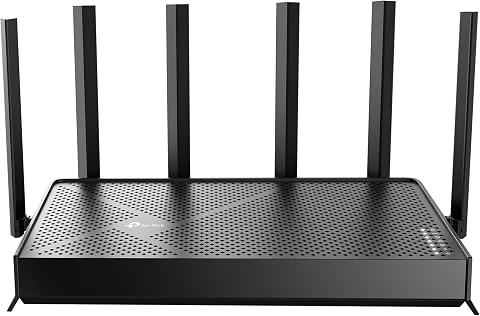 TP-Link Archer BE600 Tri-Band Wi-Fi 7 RouterView on Amazon →
- 3
 NETGEAR Nighthawk BE9300 Tri-Band WiFi 7 RouterView on Amazon →
- 4
 TP-Link Archer BE550 Tri-Band Wi-Fi 7 RouterView on Amazon →
- 5
 NETGEAR Nighthawk RS140 Dual-Band WiFi 7 RouterView on Amazon →
- 6
 ASUS RT-BE82U Dual-Band Wi-Fi 7 RouterView on Amazon →
- 7
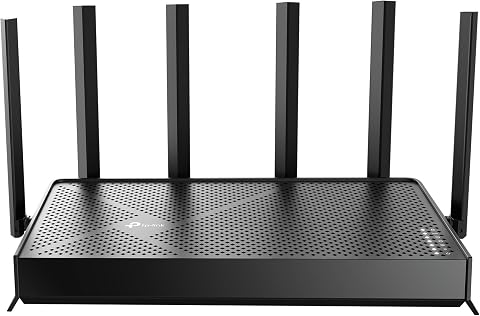 TP-Link Archer BE400 BE6500 Dual-Band Wi-Fi 7 RouterView on Amazon →
- 8
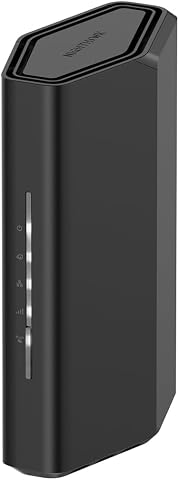 NETGEAR Nighthawk RS90 WiFi 7 Dual-Band RouterView on Amazon →
- 9
 TP-Link Archer BE230 Dual-Band Wi-Fi 7 RouterView on Amazon →
Choosing Bands, Ports and Coverage
The list matters because Wi-Fi 7 is not a one-size-fits-all upgrade. A household with many active devices or substantial wired equipment may value extra bands and ports, while a smaller network may gain little from paying for hardware designed for heavier traffic. A more expensive or more capable specification does not by itself guarantee a better experience in every home.
Compatibility also shapes the benefit. Older Wi-Fi devices can connect to a Wi-Fi 7 router, according to the source, but they do not gain all the standard’s newer capabilities simply by connecting. For readers deciding whether to replace a working router, the practical question is whether their important client devices, internet plan and home layout can use the upgrade. Coverage problems may call for better placement or expansion, rather than a higher headline capacity alone.
Products Worth Considering

FLEXISPOT Mochi-Pro Zero-Wall Oversized Power Recliner, Beige

Samsung 27-Inch Odyssey OLED G5 QHD Gaming Monitor

Apple Mac mini (2026) with M5 Pro chip and AppleCare+ (3‑year)
As an affiliate, we earn on qualifying purchases.
How the Nine Models Are Grouped
The source frames its ranking around three broad designs: dual-band, tri-band and quad-band. It says tri-band models such as the BE550, BE9300 and BE600 may offer flexibility for busy networks, while the GT-BE98 Pro’s quad-band design targets a narrower, more demanding audience. Dual-band models are characterized as focused options for simpler setups, not as the strongest choices for maximum band flexibility.
The roundup’s stated selection process considers common home-network needs and the complexity of setup and planning, alongside wireless bands and wired connections. It cautions that building materials, router placement, client hardware and service speed affect results. The supplied material does not say that the routers were tested under identical conditions, so the ranking should be read as a feature-based comparison rather than a verified performance league table.
“The Archer BE550 earns the overall lead by pairing tri-band Wi-Fi 7 with a practical feature mix.”
— ThorstenMeyerAI.com comparison
Performance and Testing Details Missing
The source material does not give test dates, controlled speed results, prices or a detailed scoring breakdown. It does not establish how the nine models perform against one another in a particular home, or whether any one router will cover a given floor plan. The description of the BE550 as best overall is the comparison’s judgment, not a universal result supported here by published measurements.
Specific differences in port counts and speeds, firmware support, mesh compatibility and availability are also not detailed. Readers should check current manufacturer specifications and local prices before buying. The immediate gains from Wi-Fi 7 remain uncertain without knowing which devices will connect, the internet plan and the home’s construction.
Check Your Network Before Buying
The source offers no announced follow-up testing or release milestone. For shoppers, the next step is to inventory active wireless devices and wired equipment, confirm which devices support Wi-Fi 7, and compare router ports with the modem, internet plan and any computers or storage devices. Those checks can rule out models that lack needed connections or capacity.
Readers should also identify whether the current problem is too many simultaneous connections, limited wired ports or weak coverage in particular rooms. Router placement and possible mesh or access-point expansion may matter more than additional bands where distance and walls are the main obstacles. The comparison’s recommendations remain conditional on those home-specific details.
Key Questions
Which router does the comparison rank first?
It names the TP-Link Archer BE550 as its best overall pick, based on its tri-band design and mix of wired connections. That is the source’s feature-based assessment, not a guarantee of the best performance in every home.
Who might consider the ASUS ROG Rapture GT-BE98 Pro?
The comparison positions the quad-band GT-BE98 Pro as a premium, gaming-focused option for demanding setups. It cautions that many households may not need that scale or added complexity.
Will older devices benefit from a Wi-Fi 7 router?
Older Wi-Fi clients can still connect, but the source says they do not gain every Wi-Fi 7 capability. The benefit depends partly on whether the devices used most often support the newer standard.
Does a tri-band router guarantee better coverage?
No. The comparison says band count can help manage traffic, but walls, floors, placement and neighboring networks affect coverage. A mesh system or access point may be relevant if the main issue is a weak signal in distant rooms.
Are these rankings based on measured speed tests?
The supplied source describes its selection criteria but provides no controlled speed measurements or detailed test methodology. It says advertised capabilities are clues, not promises of real-world results.
Source: ThorstenMeyerAI.com