

With North Carolina paving the way for Bitcoin investments, you're likely wondering which state might be next to jump on the bandwagon. Utah's recent state house approval and Florida's plans to allocate public funds indicate a growing trend. As states weigh their options, the potential for significant shifts in public fund management strategies looms large. So, which state will take the lead next, and what implications could this have for the future of cryptocurrency?

Get smart everyday buys delivered free with Prime
- Fast, free delivery on millions of items
- Prime Video, Amazon Music and more included
- Member-only deals all year
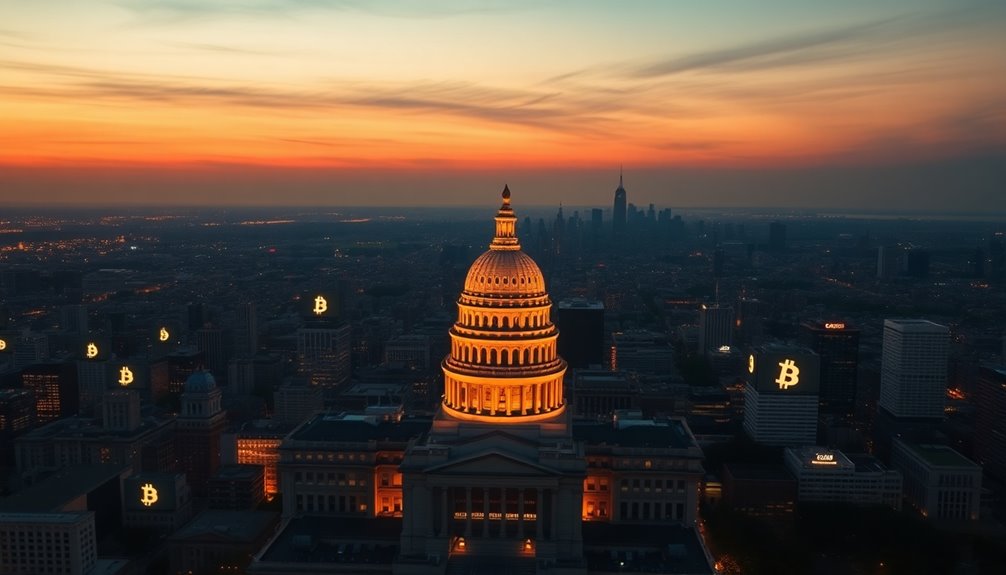
As states across the U.S. increasingly recognize the potential of Bitcoin, you're likely to see a surge in legislative efforts aimed at investing public funds in this digital asset. North Carolina has become the 20th state to introduce Bitcoin reserve legislation, highlighting a broader trend that's gaining traction nationwide. Multiple states are now considering similar bills, with Utah leading the charge after its proposal cleared the state house.
North Carolina's HB 92 allows the state treasurer to invest up to 10% of state-managed funds in Bitcoin through regulated exchange-traded products (ETPs). This move aligns with other states, like Florida, which seeks to allocate the same percentage of public funds to Bitcoin as a hedge against inflation. With a market cap requirement of over $750 billion, Bitcoin is currently the only cryptocurrency meeting this threshold, making it the primary candidate for such investments. Furthermore, the increased government investment in bitcoin is expected to influence state-level decisions regarding cryptocurrency investments. Additionally, the integration of Bitcoin into state portfolios could enhance trading execution efficiency for public funds.
The legislative momentum is palpable. States like Wisconsin and Michigan have already dipped their toes into the crypto world by integrating cryptocurrencies into their public employee retirement portfolios. Even Montana is getting in on the action, proposing investments not just in Bitcoin, but also in precious metals and stablecoins. This trend shows a significant shift in how states are viewing digital currencies as viable investment options.
While the allure of Bitcoin as an inflation hedge is driving interest, it's not without its challenges. Critics often highlight the volatility of Bitcoin, raising concerns about the risks associated with investing public funds. States must navigate these risks and establish robust risk management strategies to protect taxpayer dollars while exploring potential gains.
Moreover, the regulatory landscape remains uncertain, which could impact the pace of these initiatives. The influence of federal support, like President Trump's backing for cryptocurrency, has emboldened states to explore Bitcoin investments further. As crypto lobbying efforts gain traction in statehouses, you might see more legislators pushing for crypto-friendly laws.
Looking ahead, as states continue to introduce bills, the question remains: which state will take the plunge next? The landscape is evolving rapidly, and with institutional acceptance of Bitcoin on the rise, it's clear that states are eager to lead in technological innovation and investment.
Keep an eye on your state's legislative actions; the next significant move could be just around the corner.
Bitcoin investment guide for beginners
As an affiliate, we earn on qualifying purchases.
As an affiliate, we earn on qualifying purchases.
cryptocurrency secure hardware wallet
As an affiliate, we earn on qualifying purchases.
As an affiliate, we earn on qualifying purchases.
Bitcoin ETF regulated exchange-traded product
As an affiliate, we earn on qualifying purchases.
As an affiliate, we earn on qualifying purchases.
cryptocurrency risk management tools
As an affiliate, we earn on qualifying purchases.
As an affiliate, we earn on qualifying purchases.
Halloween Picks
halloween
As an affiliate, we earn on qualifying purchases.