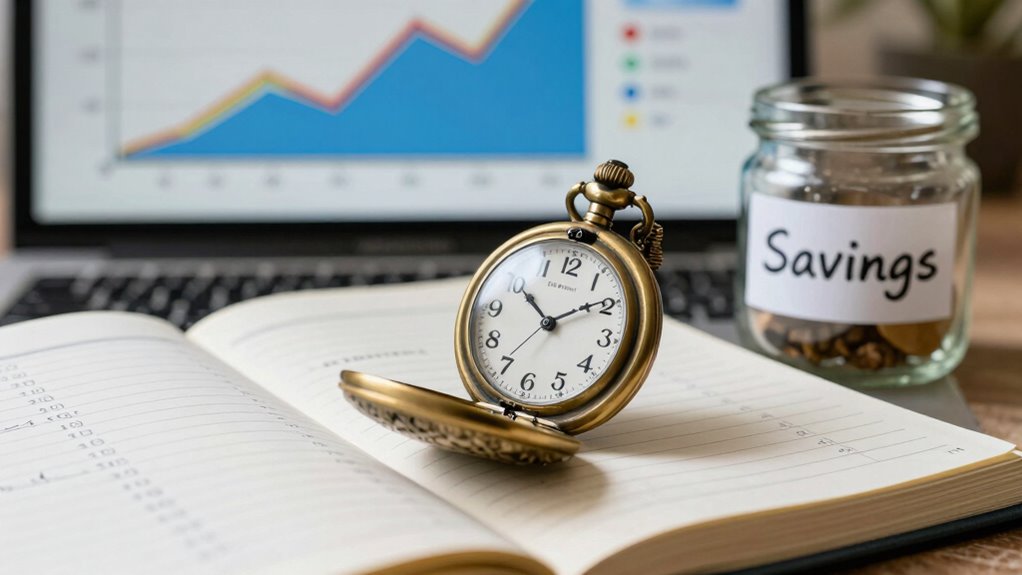

To think about inflation, scarcity, and retirement accounts together, focus on how each influences your savings and investments. Inflation erodes purchasing power, so choosing assets like inflation-protected securities is smart. Scarcity of resources can increase asset prices, affecting your portfolio, especially during economic cycles of expansion or contraction. By understanding this interplay, you can plan better and adjust your investments accordingly. Keep exploring to discover how these factors shape your financial strategy over time.

Get smart everyday buys delivered free — and shop member deals
- Fast, free delivery on millions of items
- Access to Prime Big Deal Days deals on October 6–7
- Prime Video, Amazon Music and more included
Key Takeaways
- Recognize that inflation erodes retirement savings, making asset allocation strategies crucial during economic changes.
- Consider scarcity’s impact on resource prices and how inflation-protected assets can hedge against these risks.
- Monitor monetary policy and economic cycles to anticipate inflation trends and adjust retirement plans accordingly.
- Diversify investments to balance growth potential with inflation protection, especially in resource-sensitive assets.
- Regularly review and adjust retirement contributions and asset allocations to maintain purchasing power amid inflation and scarcity.

Understanding how inflation, scarcity, and retirement accounts interact is essential for making smart financial decisions. These factors are interconnected elements of the broader economy, influenced heavily by monetary policy and the ongoing ebb and flow of economic cycles. When you grasp how they influence each other, you can better position your savings and investments to withstand economic ups and downs. Monetary policy, which includes interest rate adjustments and other tools used by central banks, directly impacts inflation rates. When central banks lower interest rates, borrowing becomes cheaper, often stimulating economic activity but also risking higher inflation. Conversely, raising rates can curb inflation but may slow economic growth. Recognizing these shifts helps you anticipate how inflation might erode your retirement savings or how economic cycles could impact your investment returns. Additionally, understanding monetary policy as a key driver provides insight into how governments try to influence these interconnected factors to stabilize the economy. Economic cycles—periods of expansion and contraction—play a crucial role in shaping how inflation and scarcity develop over time. During a boom, demand outpaces supply, contributing to higher prices and increased scarcity of certain goods or assets. This scenario often prompts policymakers to tighten monetary policy, aiming to cool down overheating markets and control inflation. In contrast, during recessions, central banks usually lower interest rates to stimulate growth, which can temporarily boost asset prices but also risk fueling future inflation if not carefully managed. Recognizing the influence of economic cycles helps investors plan for both opportunities and risks in retirement strategies. Scarcity, whether of physical resources or financial assets, is deeply tied to inflation and economic cycles. When resources become scarce, prices tend to rise, contributing to inflationary pressures. This can impact the real value of your retirement savings if your investments don’t keep pace with rising prices. Conversely, during periods of excess supply and low demand, scarcity diminishes, often leading to deflation or stagnant prices, which can also affect your retirement planning. By understanding these dynamics, you can choose assets that potentially hedge against scarcity-driven inflation—such as commodities or inflation-protected securities—and adjust your retirement contributions accordingly.
As an affiliate, we earn on qualifying purchases.
Frequently Asked Questions
How Does Inflation Impact Different Types of Retirement Accounts?
Inflation expectations can erode the purchasing power of your retirement savings, especially in accounts with fixed returns like traditional IRAs and 401(k)s. Currency devaluation may diminish the value of cash holdings and fixed-income investments, making them less effective during inflationary periods. To protect your retirement, consider assets like stocks or inflation-linked bonds that can better keep pace with rising prices and safeguard your long-term financial goals.
What Role Does Scarcity Play in Investment Decision-Making?
Scarcity acts like a tug-of-war for your resources, forcing you to prioritize wisely. It plays a crucial role in your investment decisions by highlighting opportunity costs—what you sacrifice when choosing one option over another. When resources are limited, you must allocate them carefully, balancing potential returns against risks. Recognizing scarcity helps you make smarter choices, ensuring your investments align with your goals amidst limited opportunities.
Can Inflation Erode the Value of Retirement Savings Over Time?
Yes, inflation can erode your retirement savings over time. Many people have misconceptions about inflation’s impact, thinking it’s negligible, but it actually reduces your purchasing power. Effective retirement planning involves investing in assets that outpace inflation, like stocks or real estate. By understanding inflation’s role, you can better safeguard your savings and ensure a comfortable retirement, rather than letting inflation diminish your future financial security.
How Should I Adjust My Retirement Strategy During High Inflation Periods?
During high inflation, you should adjust your retirement strategy by re-evaluating your retirement timing and understanding inflation psychology. Delaying retirement might help protect your savings, while investing in assets that hedge against inflation, like TIPS or real estate, becomes essential. Stay alert to economic shifts, and don’t let inflation psychology deceive you into making impulsive decisions. Carefully navigate these changes to safeguard your future financial security.
Are Certain Assets Better Suited for Inflation Protection in Retirement Planning?
Certain assets are better suited for inflation protection in your retirement planning. Alternative assets like real estate, commodities, and infrastructure often act as effective inflation hedges because their value tends to rise with inflation. Including these in your portfolio can help preserve your purchasing power. Diversifying with inflation hedges guarantees you’re better prepared for rising prices, maintaining your retirement savings’ growth and stability during inflationary periods.
As an affiliate, we earn on qualifying purchases.
Conclusion
Understanding how inflation, scarcity, and retirement accounts interact helps you make smarter financial decisions. By adjusting your savings strategies to account for rising prices, you can better secure your future. Don’t you want to guarantee your retirement savings keep pace with inflation? Staying informed and proactive means you’re less likely to be caught off guard. Remember, the key isn’t just saving, but saving smartly—so you can enjoy a comfortable, worry-free retirement.
diversified investment funds for inflation
As an affiliate, we earn on qualifying purchases.
As an affiliate, we earn on qualifying purchases.
commodities investment for scarcity
As an affiliate, we earn on qualifying purchases.
As an affiliate, we earn on qualifying purchases.
Fall Picks
fall essentials
As an affiliate, we earn on qualifying purchases.