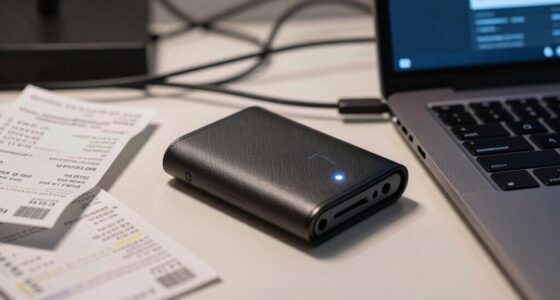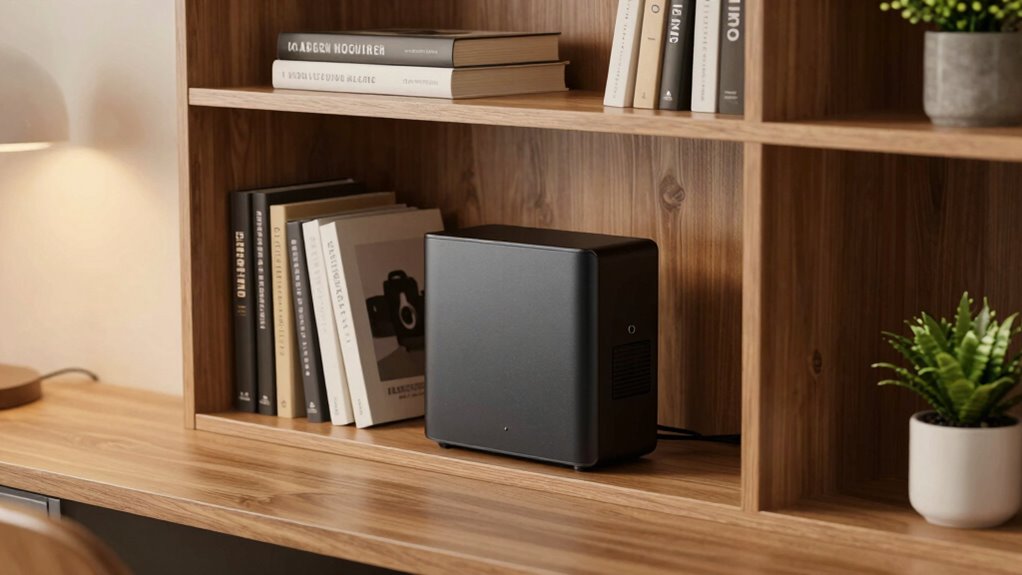

To best protect your backup device, choose a discreet, secure spot away from clutter, heat, or water sources, such as a lockable safe or fireproof box. Place it on high, stable shelves or in an elevated, hard-to-reach area to prevent accidental damage or theft. Avoid storing both primary and backup in the same space. For more tips on creating a safe storage environment, you’ll find helpful strategies as you explore further.

Get smart everyday buys delivered free with Prime
- Fast, free delivery on millions of items
- Prime Video, Amazon Music and more included
- Member-only deals all year
Key Takeaways
- Store backup devices in discreet, secure locations like fireproof safes or lockable cabinets away from common hazards.
- Choose elevated, stable areas such as upstairs closets or high shelves to prevent water damage.
- Keep backups separate from primary data sources, in different rooms or parts of the house for added protection.
- Avoid storing backups in flood-prone or cluttered areas prone to heat, spills, or accidental damage.
- Ensure storage spots are environmentally stable, with consistent temperature and humidity levels for device longevity.
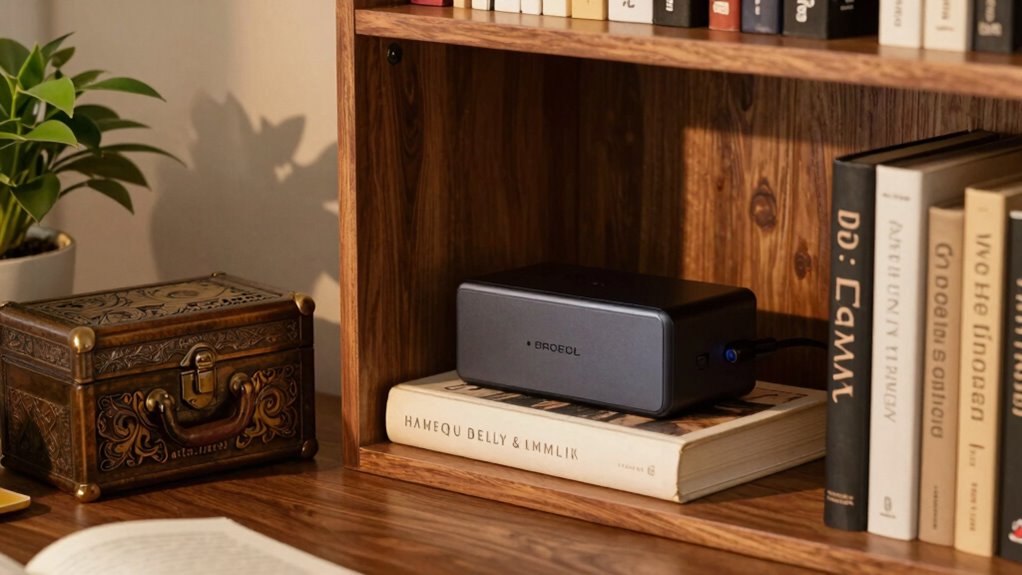
Having a backup device is essential for safeguarding your important data, but knowing where to store it inside your home can make all the difference. When it comes to disaster preparedness, you want to choose a location that minimizes risk and maximizes security precautions. The goal is to protect your backup from theft, fire, flooding, or other unforeseen events, so think carefully about the environment you’re placing it in.
Start by avoiding obvious spots like your main living area or home office, where the device might be exposed to daily clutter, heat, or accidental damage. Instead, consider a more discreet and stable location—such as a locked safe or a fireproof box tucked away in a closet or basement. These spots provide added security precautions, making it harder for intruders or children to access the backup device unintentionally. Placing your backup in a high, hard-to-reach spot can also prevent accidental knocks or spills.
Avoid obvious spots like your main living area; choose discreet, stable locations like safes or high, secure spots.
If you live in an area prone to flooding, don’t store your backup device in the basement or near windows that could leak. Instead, opt for an elevated shelf or a upstairs closet that’s less vulnerable to water damage. For those concerned about fire safety, look for fire-resistant safes designed to withstand high temperatures, and ensure they’re rated for the type of threat you’re most concerned about. Remember, disaster preparedness involves more than just storing your device—it’s about selecting a location that’s shielded from common hazards. Additionally, understanding the importance of contrast ratio can help you choose a storage environment that minimizes visual or environmental disturbances affecting your device’s performance.
Another effective approach is to keep your backup device in a separate part of the house from your primary data storage. This way, if one area experiences a disaster, the other might remain unaffected. For example, avoid storing both your main computer and backup device in the same room or closet. Instead, put the backup in a different room or even in a lockable cabinet in a different part of the house. This strategy adds an extra layer of security precautions, ensuring your data stays safe no matter what happens. Considering the environmental conditions of your storage location can further help in maintaining your device’s longevity and reliability. Moreover, choosing a location with stable temperature and humidity levels can prevent damage caused by environmental fluctuations.
Ultimately, the best place to store your backup device combines discretion, stability, and safety. Think about your home’s layout, potential risks, and the security precautions you can implement. By doing so, you’ll be better prepared for emergencies and can count on your backup to recover your data quickly, no matter what disaster strikes.
As an affiliate, we earn on qualifying purchases.
Frequently Asked Questions
How Often Should I Update My Backup Device?
You should update your backup device at least once a month, or more often if you frequently add or change files. Regular updates guarantee your data stays current and secure. Use cloud storage with strong encryption methods to protect sensitive information during transfers. Additionally, check your backup device for errors and verify that backups are complete, so your data remains safe and accessible whenever you need it.
What Security Measures Should I Consider for Stored Backups?
You should prioritize encryption protocols and access control to keep your stored backups secure. Encrypt your data with strong algorithms to prevent unauthorized access, and implement access controls like passwords or biometric authentication. Regularly update these security measures and monitor who accesses your backups. By doing so, you guarantee your sensitive information stays protected, even if someone gains physical access to your backup device inside your home.
Can Temperature Fluctuations Damage My Backup Device?
You might be surprised, but temperature fluctuations can indeed damage your backup device. Sudden changes in temperature affect storage safety and can compromise device durability over time. Keep your backup in a stable, climate-controlled environment to prevent warping or data loss. Avoid places like attics or garages where temperatures swing wildly. Proper storage safeguards your data and guarantees your device stays reliable when you need it most.
Is It Better to Store Backups Off-Site or at Home?
It’s better to store backups off-site, like in the cloud or a secure remote location. This way, you can easily access your data via remote access or cloud synchronization, even if something happens at home. Off-site storage protects your backups from theft, fire, or flooding, providing peace of mind. Plus, cloud services often offer automated backups, ensuring your data stays current and protected without manual effort.
How Do I Label and Organize Multiple Backup Devices?
You can create an effective labeling system by using clear, durable labels with bold fonts and color coding. An organization method like grouping backups by date or device type helps you quickly identify them. Some worry labels will wear off; to prevent this, use laminated labels or permanent markers. Regularly updating your labels guarantees your backup devices stay organized and accessible, avoiding confusion during critical recovery moments.
lockable security cabinet for electronics
As an affiliate, we earn on qualifying purchases.
As an affiliate, we earn on qualifying purchases.
Conclusion
Storing your backup device wisely is like placing a precious gem in a secure vault—you want it protected yet accessible. Choose a spot that’s both safe from hazards and easy to reach in emergencies. Whether it’s a hidden drawer or a discreet closet corner, the right location guarantees your data stays secure without becoming a treasure hunt. Remember, a well-placed backup is your safety net, ready to catch you when you need it most.
high shelf storage for backup devices
As an affiliate, we earn on qualifying purchases.
As an affiliate, we earn on qualifying purchases.
waterproof safe for important data
As an affiliate, we earn on qualifying purchases.
As an affiliate, we earn on qualifying purchases.
Halloween Picks
halloween
As an affiliate, we earn on qualifying purchases.