
Touchscreen hardware wallets offer ease of use but come with hidden security trade-offs. Their reliance on software makes them vulnerable to malware and software exploits, while biometric features can be spoofed or exploited if sensors are flawed. Poor device design can introduce attack vectors, and firmware updates may be compromised without proper safeguards. Physical and digital vulnerabilities exist, increasing risks from side-channel attacks or tampering. If you want to understand how these risks can impact your security, keep exploring the details.

Get smart everyday buys delivered free with Prime
- Fast, free delivery on millions of items
- Prime Video, Amazon Music and more included
- Member-only deals all year
Key Takeaways
- Touchscreens improve usability but increase software dependency, creating vulnerabilities to malware and software exploits.
- Biometric authentication offers convenience but can be spoofed or exploited through sensor flaws, weakening security.
- Physical design choices, such as lacking tamper resistance, can introduce attack vectors into hardware wallets.
- Firmware updates are critical; insecure delivery or verification can lead to malicious code execution.
- Isolating the device from compromised interfaces and implementing hardware security measures reduces attack surfaces.
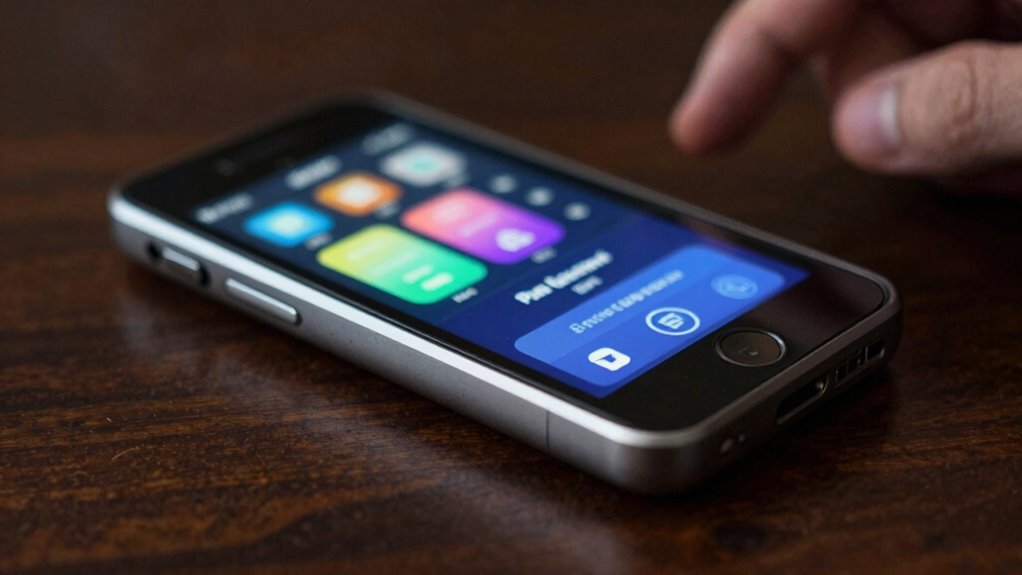
Are touchscreen hardware wallets truly secure for safeguarding your cryptocurrencies? This question is more complex than it seems, especially when you consider the trade-offs involved in their design. Touchscreen interfaces make these wallets user-friendly, but they also introduce unique vulnerabilities. Unlike traditional button-based devices, touchscreens rely heavily on software and hardware integration, which can open doors to certain security risks. For starters, biometric vulnerabilities are a concern. Many modern wallets incorporate fingerprint or facial recognition features to streamline access. While convenient, these biometric systems are not foolproof. Hackers can sometimes exploit flaws in biometric sensors or spoof biometric data, potentially gaining unauthorized access. This highlights the importance of understanding security vulnerabilities associated with biometric systems in hardware wallets. This means that, despite the perceived security of biometrics, they can become a weak link if not implemented with rigorous safeguards. Additionally, the design of the device plays a crucial role in its overall security posture, as poor design choices can inadvertently introduce new attack vectors. Incorporating hardware security modules and tamper-resistant features can significantly enhance the device’s resilience against physical attacks.
Another critical aspect is firmware integrity. The firmware acts as the core software that runs your hardware wallet, controlling everything from transaction signing to user authentication. If this firmware is compromised or tampered with, your entire wallet becomes vulnerable. Touchscreen hardware wallets often depend on firmware updates to fix bugs or patch security flaws. However, if these updates are not securely delivered or verified, malicious actors could introduce malicious code. Maintaining firmware integrity is essential, yet it’s often overlooked by users who may neglect to update their devices regularly or fall prey to phishing scams that trick them into installing compromised firmware. Once compromised, the wallet’s security is severely undermined, leaving your cryptocurrencies exposed. To reduce this risk, some wallets employ secure boot processes and cryptographic signatures to verify updates before installation.
Moreover, the very nature of touchscreen technology makes it susceptible to physical and digital attacks. For example, malware on a connected computer or smartphone could interfere with the wallet’s operations during transactions. Additionally, physical attacks such as side-channel analysis might reveal sensitive information stored within the device. Although the touchscreen provides an intuitive interface, it can also be a surface for sophisticated attacks that target the device’s hardware or software vulnerabilities. Implementing security best practices can help mitigate these risks, such as isolating the wallet from potentially compromised devices and using hardware encryption.
hardware wallet with tamper resistance
As an affiliate, we earn on qualifying purchases.
As an affiliate, we earn on qualifying purchases.
Frequently Asked Questions
Can Touchscreen Wallets Be Hacked Remotely?
Touchscreen wallets can be vulnerable to remote hacking if security flaws exist in their software or network connections. Hackers might exploit vulnerabilities via malware or phishing attacks, leading to remote hacking. However, physical vulnerabilities, like tampering or hardware exploits, pose a different risk. You should always keep firmware updated, avoid insecure networks, and be cautious of physical access to your device to minimize both remote hacking and physical vulnerabilities.
How Do Physical Damages Affect Security?
Physical damages can substantially impact your wallet’s security by compromising its physical durability and exposing hardware vulnerabilities. If your device gets scratched, cracked, or damaged, it might allow malicious actors to access sensitive components or data. Such vulnerabilities can be exploited remotely or locally, risking your private keys or recovery phrases. Always handle your hardware wallet carefully and consider protective measures to maintain its integrity and safeguard your assets.
Are There Risks of Keylogging Through Touchscreens?
Touchscreen vulnerabilities can open subtle doors to unseen risks, making user interface risks more than just an inconvenience. While keylogging is less common with dedicated hardware wallets, malicious software or compromised firmware could quietly record your inputs. You might not see the danger lurking in the sleek surface, but these risks underscore the importance of keeping firmware updated and avoiding suspicious connections to protect your keys from silent theft.
What Is the Lifespan of Touchscreen Hardware Wallets?
Touchscreen hardware wallets generally last 3 to 5 years, depending on hardware durability and usage. Over time, cryptographic vulnerabilities may emerge, especially if firmware updates are neglected, risking security. You should regularly update your device to patch vulnerabilities and handle physical wear carefully. Proper maintenance extends lifespan, but hardware components can degrade, so keep an eye on signs of wear to guarantee your wallet remains secure and functional.
Do Touchscreen Wallets Require Regular Firmware Updates?
Yes, touchscreen wallets need regular firmware updates, like a car needing tune-ups to stay in top shape. These updates patch security vulnerabilities, improve user authentication, and enhance user interface design, keeping your wallet safe and user-friendly. Skipping updates is like leaving your front door unguarded — it exposes you to risks. Regular updates guarantee your wallet remains secure, reliable, and easy to navigate, so you can focus on your crypto journey.
biometric security hardware wallet
As an affiliate, we earn on qualifying purchases.
As an affiliate, we earn on qualifying purchases.
Conclusion
In the end, overlooking these hidden security trade-offs is like building a fortress of glass—beautiful and sleek, but fragile enough to shatter at the slightest tap. Touchscreen hardware wallets may seem like the ultimate guardians of your crypto treasures, but beneath their shiny surface lurk vulnerabilities that could turn your digital fortune into a digital nightmare. Stay vigilant, question the gleam, and don’t let elegance blind you to the lurking dangers—your assets deserve more than just a pretty face.
As an affiliate, we earn on qualifying purchases.
hardware wallet with hardware security module
As an affiliate, we earn on qualifying purchases.
As an affiliate, we earn on qualifying purchases.
Halloween Picks
halloween
As an affiliate, we earn on qualifying purchases.