

In 2025, crypto mining made progress toward sustainability, with over 52% of Bitcoin’s electricity coming from renewables like hydropower and wind. However, nearly half of its energy still relied on fossil fuels, raising ongoing environmental concerns. Mining operations continued to contribute to significant CO₂ emissions and local air pollution, impacting health and ecosystems. While advancements were made, there’s more complexity to the challenge than meets the eye. Explore further to understand the intricacies of this evolving situation.
Key Takeaways
- By 2025, over 52% of Bitcoin’s electricity was sourced from renewables, with hydropower, wind, and solar leading the way.
- Despite the renewable shift, nearly 48% of Bitcoin’s energy still came from fossil fuels, highlighting ongoing sustainability challenges.
- Bitcoin mining’s environmental impact remained significant, with emissions reaching approximately 98 million metric tons of CO₂, comparable to Qatar.
- Mining operations contributed to increased PM2.5 pollution, exacerbating health risks and straining local resources.
- Regulatory measures, including taxation on mining electricity, aimed to encourage cleaner energy practices and mitigate environmental impacts.

Crypto Mining Unlocked: The Essential Guide to Cryptocurrency Mining
As an affiliate, we earn on qualifying purchases.
As an affiliate, we earn on qualifying purchases.
Energy Consumption of Bitcoin Mining

As Bitcoin mining continues to expand, you might be surprised to learn that it consumed as much electricity in 2022 as the entire nation of Poland. This staggering energy demand isn’t just a number; it translates into significant carbon emissions. In 2025, Bitcoin mining accounted for approximately 98 million metric tons of CO₂, comparable to Qatar’s total emissions. Each transaction emitted around 712 kilograms of CO₂, highlighting the environmental cost of digital currency. By 2022, mining operations represented about 2% of global electricity use, a figure projected to rise. If unregulated, the sector’s emissions could escalate, further straining our planet. You must consider these impacts as the demand for cryptocurrencies grows and as climate concerns intensify.

8GPU Mining Rig Complete Crypto Miner with Windows10,Including 8GPU Mining Motherboard 2000W Power Supply,CPU,SSD,4G RAM, 8 GPU Mining Case for ETC/LTC/XHV/Monero/Ravencoin(Without GPU)
Effortless Setup in Minutes: With high-quality mining hardware and Win10 English operating system (not activated), this GPU miner…
As an affiliate, we earn on qualifying purchases.
As an affiliate, we earn on qualifying purchases.
Renewable Energy Sources in Crypto Mining
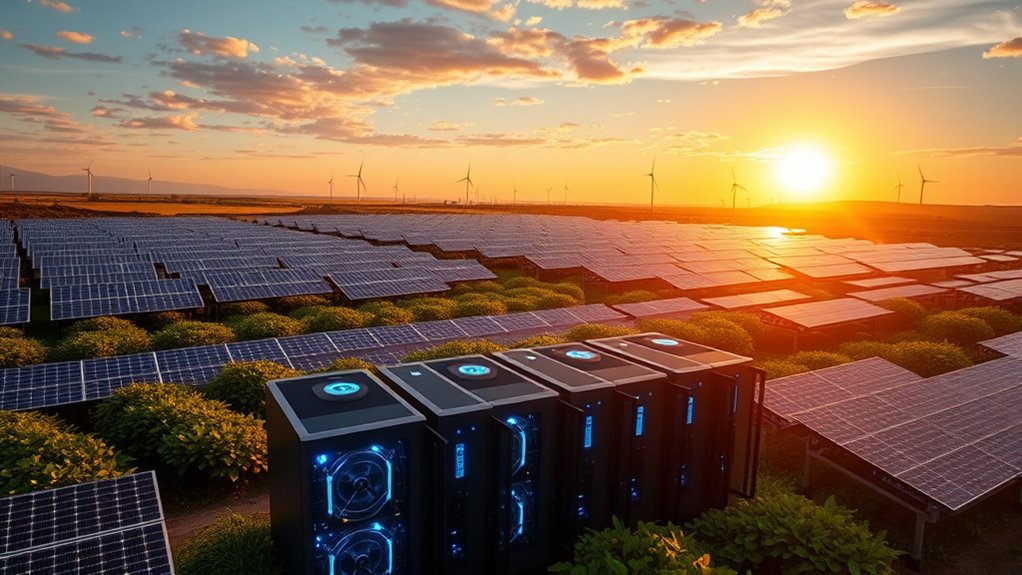
The growing energy demands of Bitcoin mining have prompted a shift toward renewable energy sources within the industry. By 2025, over 52% of Bitcoin’s electricity was drawn from renewables, including 23% from hydropower, 15% from wind, and 3% from solar. Companies like Marathon Digital and CleanSpark strategically set up operations near these sources, aiming for cleaner energy use. Some miners even harness flare gas capture, transforming methane into mining power to cut fossil fuel reliance. Additionally, renewable energy certificates and tokenized carbon offsets became popular as miners sought to mitigate their environmental impact. However, nearly half of Bitcoin’s energy still came from fossil fuels, underscoring the ongoing challenge of achieving a truly sustainable mining operation. As organizations increasingly face financial losses due to inadequate security, AI-driven encryption methods are becoming vital in protecting sensitive data associated with crypto transactions.

Temtop Air Quality Monitor Indoor Thermo-Hygrometer – PM2.5, AQI, Temperature, and Humidity Meter for Home, Office, or School, Air Quality Measurement, 60-Day Battery Life
Improve the quality of life — Temtop S1 can monitor the concentration of PM2.5 in the air, including…
As an affiliate, we earn on qualifying purchases.
As an affiliate, we earn on qualifying purchases.
Environmental and Health Impacts of Mining

While many focus on Bitcoin’s financial implications, the environmental and health impacts of mining can’t be overlooked. Mining operations considerably increase fine particulate matter (PM2.5) air pollution, posing serious health risks like cancer and heart disease. When fossil fuels power these operations, the emissions worsen, affecting millions in the U.S. alone. Beyond air quality, mining contributes to water and land resource depletion, complicating efforts to meet global climate targets. With nearly half of Bitcoin’s electricity still coming from fossil fuels, the environmental toll remains high. As you consider the implications of crypto mining, remember that the fight for a cleaner planet hinges on addressing these pressing environmental and health issues. Additionally, the use of energy monitoring features in smart home devices can help individuals reduce their overall energy consumption, indirectly affecting the demand for fossil fuel-powered mining operations.
carbon offset certificates for crypto
As an affiliate, we earn on qualifying purchases.
As an affiliate, we earn on qualifying purchases.
Regulatory and Economic Measures for Emission Control

As you explore the regulatory landscape, you’ll notice various measures aimed at controlling emissions from Bitcoin mining. Taxation on mining electricity and incentives for renewable energy adoption are gaining traction, pushing miners to adopt cleaner practices. With growing regulatory pressure, it’s essential to understand how these changes can impact both the environment and the industry’s future. Additionally, the importance of diversification in investment strategies can lead to greater support for eco-friendly technologies in the cryptocurrency sector.
Taxation on Mining Electricity
Implementing a tax on mining electricity could substantially curb Bitcoin’s environmental impact and promote cleaner practices. By introducing such a tax, you can encourage miners to adopt more sustainable energy sources and reduce their carbon footprints. Here are some potential benefits of this approach:
- Incentivizes renewable energy use by making fossil fuel-based mining less economically viable.
- Reduces overall emissions by potentially cutting down millions of tons of CO₂ annually.
- Generates government revenue, which can be reinvested in green technologies.
- Promotes cleaner mining practices, pushing companies to innovate and optimize energy efficiency.
- Aligns with global climate goals, helping meet international agreements like the Paris Accord.
- This approach may also inspire the adoption of herbs like mint or basil in local energy solutions, contributing to a holistic environmental strategy.
This regulatory measure could drive the crypto industry toward a greener future.
Incentives for Renewable Adoption
Taxing mining electricity not only aims to reduce emissions but also opens the door for robust incentives that can drive renewable energy adoption in the crypto sector. Such measures encourage miners to pivot toward cleaner energy sources, enhancing sustainability. By implementing tax credits and grants, governments can make renewable investments more appealing for mining operations. Additionally, these incentives can help mitigate the high energy consumption associated with juice yield from citrus fruits, promoting the use of renewable energy in the face of growing demand.
| Incentive Type | Description |
|---|---|
| Tax Credits | Reduce tax liabilities for renewable energy use. |
| Grants | Provide funds for shifting to clean technologies. |
| Renewable Energy Certificates (RECs) | Allow miners to trade certificates for using green energy. |
These strategies not only lower emissions but also foster innovation in the crypto sector, promoting a greener future for digital currencies.
Regulatory Pressure on Emissions
While the cryptocurrency sector continues to expand, regulatory pressure on emissions is becoming increasingly crucial. As awareness of environmental impacts grows, governments are stepping up to manage the carbon footprint of crypto mining. Here’s what you need to know:
- Many jurisdictions are proposing taxes on mining electricity to incentivize cleaner practices.
- The IMF suggested a tax that could cut emissions considerably while generating government revenue.
- Regulatory measures are pushing miners toward renewable energy sources.
- Increased scrutiny on emissions aligns with global climate goals.
- Cleaner technologies are becoming a focal point for new investments.
These regulatory efforts aim to balance innovation in the crypto space with the urgent need for sustainability, ensuring a greener future for cryptocurrency. Furthermore, understanding core personality traits can also play a role in how individuals and organizations approach environmental responsibility in their mining practices.
Technological Factors Affecting Environmental Footprint

As the demand for Bitcoin continues to grow, the technological factors affecting its environmental footprint become increasingly critical. The energy-intensive nature of mining hardware leads to significant electricity consumption and electronic waste. Furthermore, Bitcoin’s price volatility can cause spikes in energy demand.
| Factor | Impact on Environmental Footprint |
|---|---|
| Energy Consumption | High electricity usage, often from fossil fuels |
| Mining Hardware Efficiency | Specialization increases electronic waste |
| Transaction Verification | Multiple computers used, multiplying energy needs |
Emerging solutions like “clean mining” initiatives aim to optimize efficiency and integrate renewable technologies. However, almost half of Bitcoin’s energy still comes from fossil fuels, underscoring the need for urgent innovation in this space. Investing in performance upgrades can help mitigate some of these environmental impacts.
Global Distribution and Comparative Environmental Impact
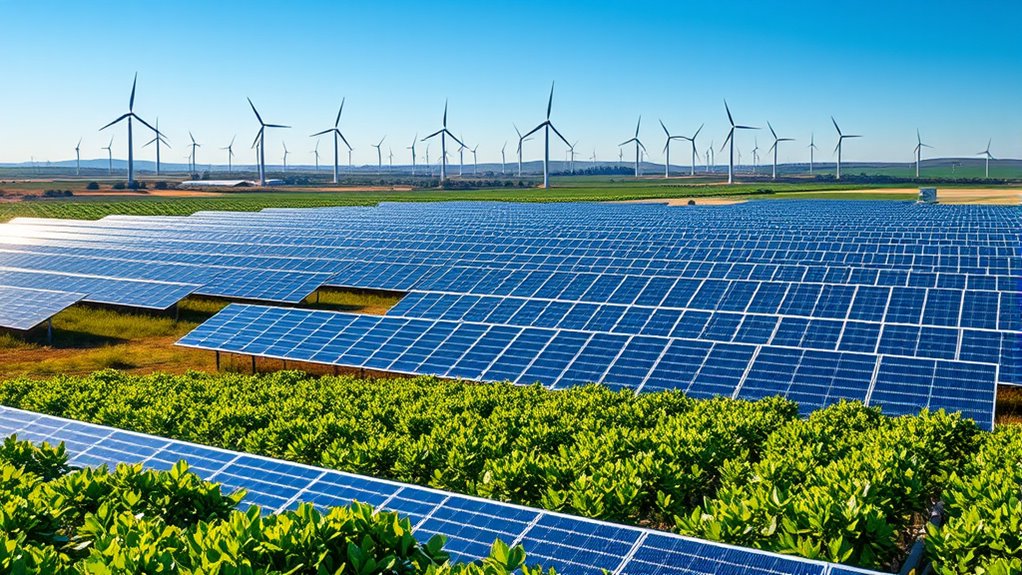
As you explore the global landscape of Bitcoin mining, you’ll notice that countries like the USA, Kazakhstan, and Russia lead in production. While renewable energy sources are gaining traction, a significant portion still relies on fossil fuels, putting local environments under strain. This uneven distribution of mining activities not only raises questions about sustainability but also highlights the urgent need for greener practices. Additionally, the reliance on renewable energy sources in crypto mining is crucial for minimizing its environmental footprint.
Leading Mining Nations
The leading nations in Bitcoin mining markedly shape the global environmental landscape due to their energy consumption and carbon emissions. As you explore the impact of these mining hubs, consider the following points:
- The USA, Kazakhstan, and Russia dominate global Bitcoin production.
- Mining operations often rely on outdated, fossil-fuel-heavy infrastructure.
- Countries like Canada and Norway leverage renewable energy for mining.
- Bitcoin mining can strain local energy grids, particularly in developing regions.
- The environmental footprint of mining operations can exceed that of entire nations.
- The transition to efficient general ledger coding in financial practices can help track and mitigate the environmental impact of these operations.
Understanding this distribution helps you grasp the broader implications for sustainability and climate goals. As these nations continue to evolve their practices, the urgency for cleaner solutions in the crypto space remains critical.
Fossil vs. Renewable Sources
What role do fossil and renewable sources play in Bitcoin mining’s environmental impact? In 2025, over 52% of Bitcoin’s electricity came from renewable sources, yet nearly half still relied on fossil fuels. This reliance contributes considerably to carbon emissions, affecting global climate goals.
Here’s a quick comparison of the energy sources used in Bitcoin mining:
| Energy Source | Percentage Used |
|---|---|
| Hydropower | 23% |
| Wind | 15% |
| Solar | 3% |
| Nuclear | 10% |
| Fossil Fuels | ~48% |
Mining companies are increasingly adopting cleaner practices, but the balance between fossil and renewable sources remains crucial in reducing Bitcoin’s environmental footprint. Your choices can influence this shift. Additionally, the use of sound design techniques can enhance awareness of environmental issues through creative projects.
Localized Environmental Strain
While Bitcoin mining has gained popularity worldwide, its localized environmental strain is significant and often overlooked. Mining operations can heavily impact local energy grids and water resources, especially in regions where fossil fuels dominate energy sources. This has led to increased air pollution and health risks for nearby communities. Key factors contributing to localized environmental strain include:
- High energy demands exceeding local capacities
- Increased emissions of harmful pollutants
- Strain on water resources for cooling and processing
- Disruption of local ecosystems from mining infrastructure
- Higher electricity costs for residents due to increased demand
As you consider the implications of crypto mining, it’s essential to recognize these localized effects and advocate for more sustainable practices in the industry.
Frequently Asked Questions
How Does Bitcoin Mining Affect Local Communities Economically?
Bitcoin mining can considerably impact local economies by creating jobs and boosting local businesses. You might notice increased demand for services like housing, food, and transportation as miners flock to areas with cheap electricity. However, it can strain local resources and infrastructure, driving up costs for residents. You’ll also see fluctuations in energy prices due to the high demand from mining operations, which can lead to economic instability in the community.
What Are the Long-Term Sustainability Goals for Cryptocurrency Mining?
Imagine if your favorite smartphone suddenly turned into a coal mine! Long-term sustainability goals for cryptocurrency mining focus on reducing carbon footprints and enhancing energy efficiency. You’ll see increased adoption of renewable energy sources, like wind and solar, and innovations aimed at minimizing electronic waste. Regulations are tightening, pushing miners to adopt cleaner technologies. Ultimately, the goal is to balance the booming crypto market with environmental responsibility, ensuring a sustainable future for all.
How Do Miners Mitigate Electronic Waste From Operations?
Miners mitigate electronic waste by recycling old hardware and using energy-efficient equipment. You can find companies implementing take-back programs, where they collect and recycle obsolete mining rigs. By opting for modular designs, they simplify upgrades, ensuring parts can be reused. Additionally, some miners invest in innovative cooling solutions, which extend equipment lifespan. You’ll notice increased awareness around responsible disposal practices, as the industry shifts towards reducing its environmental footprint.
Are There Alternative Cryptocurrencies With Lower Environmental Impacts?
Yes, there are alternative cryptocurrencies with lower environmental impacts. Cryptos like Cardano, Algorand, and Tezos use proof-of-stake mechanisms that require considerably less energy than Bitcoin’s proof-of-work model. These coins validate transactions without the intensive mining process, reducing energy consumption and emissions. By choosing these options, you can support greener practices in the crypto space while still engaging in digital assets. It’s a smart way to invest with the environment in mind.
What Role Do Consumer Choices Play in Reducing Crypto’s Environmental Footprint?
Consumer choices play a vital role in reducing crypto’s environmental footprint. By opting for cryptocurrencies that prioritize renewable energy or use less energy-intensive consensus mechanisms, you can drive demand for greener practices. Supporting projects that focus on sustainability and transparency encourages miners to adopt cleaner technologies. Additionally, advocating for regulations that promote environmentally-friendly mining can push the industry toward a more sustainable future. Your choices can influence the direction of the entire crypto ecosystem.
Conclusion
In 2025, the crypto landscape has transformed, much like a phoenix rising from the ashes. By embracing renewable energy and innovative technologies, the industry has begun to mitigate its environmental footprint. However, ongoing vigilance is essential to guarantee sustainable growth. As regulations tighten and awareness grows, we must all play a part in promoting greener practices. With collective effort, the future of crypto can shine brightly, proving that financial innovation and environmental responsibility can coexist harmoniously.