

In 2025, top cryptocurrencies include established leaders like Bitcoin and Ethereum, with Bitcoin valued at around $108,620 and Ethereum at approximately $3,892. Emerging projects like Saros and TOSHI have shown explosive growth, making significant impacts in the DeFi space. The rise of Layer-1 platforms like Solana and Avalanche enhances scalability and interoperability. These trends are reshaping the market landscape, promising exciting investment opportunities as the ecosystem evolves. You’ll discover even more insights about these developments ahead.
Key Takeaways
- Bitcoin (BTC) remains dominant with a market cap of $2.16T, driven by institutional ETF inflows and its status as digital gold.
- Ethereum (ETH) is crucial for decentralized applications, valued at approximately $3,892, reflecting its essential role in smart contracts.
- Emerging projects like Saros (SAROS) and Onyxcoin (XCN) demonstrated significant growth, with 1,379% and 551% increases, respectively, due to strong DeFi offerings.
- Layer-1 platforms such as Solana and Avalanche excel in scalability, enhancing transaction speeds and supporting DeFi innovations.
- Real-world asset tokenization is rapidly gaining traction, with projects like Zebec Network leading the market by bridging traditional finance and digital assets.
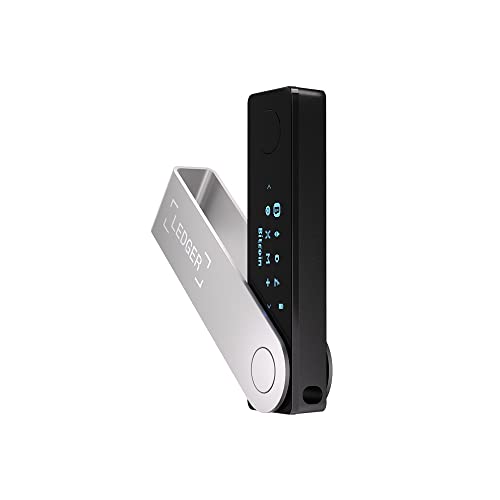
Ledger Nano X Crypto Wallet Signer – Securely Manage All Your Crypto Assets with This Bluetooth Enabled Classic – Onyx Black
Effortlessly build your crypto portfolio via the all in one Ledger Wallet app: buy, sell, send, receive, swap,…
As an affiliate, we earn on qualifying purchases.
As an affiliate, we earn on qualifying purchases.
Overview of Top Established Cryptocurrencies

As you explore the cryptocurrency landscape in 2025, you’ll find several established players that dominate the market. Bitcoin (BTC) remains the largest, boasting a market cap of $2.16 trillion and a price around $108,620, often referred to as digital gold due to its institutional ETF inflows. Ethereum (ETH) follows, valued at approximately $3,892, serving as the backbone for decentralized applications and smart contracts. Binance Coin (BNB) plays a vital role within its ecosystem, valued at $1,077, while Solana (SOL) stands out for its high transaction speeds and low costs, priced between $186 and $237. Ultimately, Ripple (XRP) has carved a niche in cross-border payments, maintaining a market cap of around $146 billion.

The Basics of Bitcoins and Blockchains: An Introduction to Cryptocurrencies and the Technology that Powers Them (Cryptography, Derivatives Investments, Futures Trading, Digital Assets, NFT)
As an affiliate, we earn on qualifying purchases.
As an affiliate, we earn on qualifying purchases.
Emerging and High-Growth Projects in 2025

In 2025, several emerging cryptocurrencies are making waves with impressive growth rates, capturing the attention of investors and enthusiasts alike. Saros (SAROS) has led the pack, boasting a staggering 1,379% growth in H1, thanks to its robust DeFi offerings. Onyxcoin (XCN) isn’t far behind, achieving 551% growth through innovative tech solutions and key partnerships. Zebec Network (ZBCN) has gained traction with a focus on tokenizing real-world assets, charting a 298% rise. Maple Finance (SYRUP) follows closely, increasing by 288% as it digitizes institutional assets. Lastly, TOSHI, a memecoin, has exploded with an extraordinary 5,132% growth, appealing to speculative investors. These projects illustrate the dynamic potential of the crypto landscape in 2025. Moreover, the high refresh rates and low input lag of gaming-related technologies are increasingly influencing investor interest in crypto projects.
Ethereum smart contract development kit
As an affiliate, we earn on qualifying purchases.
As an affiliate, we earn on qualifying purchases.
Layer-1 Blockchain Platforms With Strong Adoption Potential

As you explore Layer-1 blockchain platforms, consider how cross-chain interoperability can enhance data and asset transfers. You’ll find scalability and speed comparison essential for understanding which platforms might dominate the market. Plus, keep an eye on developer ecosystem growth trends, as a vibrant community often signals strong adoption potential. Additionally, embracing sustainable practices in blockchain development can contribute to a more eco-friendly future.
Cross-Chain Interoperability Advantages
While many blockchain networks operate in isolation, cross-chain interoperability stands out as a game-changer for the crypto ecosystem. It allows different blockchains to communicate and share data seamlessly, enhancing user experience and expanding functionality. You can easily transfer assets across platforms, promoting liquidity and reducing dependency on a single blockchain. This advantage is especially vital as you explore decentralized applications and protocols. Cozy textiles can be compared to the comfort and functionality that seamless interoperability brings to the crypto landscape, as both create a more inviting and efficient experience.
| Blockchain | Interoperability Feature | Use Case |
|---|---|---|
| Polkadot (DOT) | Parachains | Multi-chain applications |
| Avalanche (AVAX) | Subnets | Fast DeFi transactions |
| Cosmos (ATOM) | IBC Protocol | Cross-chain asset transfers |
| Cardano (ADA) | Sidechains | Secure smart contracts |
| Solana (SOL) | Bridges | Rapid asset exchanges |
Embracing this technology can lead to a more interconnected and robust crypto landscape.
Scalability and Speed Comparison
When evaluating Layer-1 blockchain platforms, scalability and speed are crucial factors that can greatly influence user adoption and application performance. Solana stands out with its impressive transaction speeds and low costs, making it a favorite among developers. Avalanche follows closely, recognized for its rapid transaction processing and robust DeFi capabilities, posing a significant challenge to Ethereum. Polkadot excels in cross-chain interoperability, which boosts its scalability potential. Meanwhile, Cardano focuses on secure and scalable infrastructure, appealing to those seeking a more academic approach to blockchain development. Finally, Tron is gaining traction as a smart contract platform, enhancing its ecosystem’s growth. Each of these platforms offers unique advantages that cater to diverse user needs in the evolving crypto landscape.
Developer Ecosystem Growth Trends
The growth of developer ecosystems in Layer-1 blockchain platforms is substantially shaping the landscape of cryptocurrency. As you explore this space, you’ll notice platforms like Polkadot and Avalanche standing out due to their focus on interoperability and speed. These ecosystems attract developers looking to create scalable solutions, pushing traditional boundaries. Solana, with its impressive transaction capabilities, is also drawing significant attention, appealing to those seeking low fees and high throughput. Meanwhile, Cardano’s emphasis on academic rigor continues to build a strong foundation for future projects. You’ll find that these platforms not only enhance existing applications but also inspire innovative use cases, ultimately driving broader adoption and reshaping the crypto landscape for years to come.

The Essential Guide to Blockchain Platforms
As an affiliate, we earn on qualifying purchases.
As an affiliate, we earn on qualifying purchases.
Decentralized Finance (DeFi) and Governance Tokens

As decentralized finance (DeFi) continues to reshape the financial landscape, governance tokens play a pivotal role in empowering users to influence protocol decisions and developments. These tokens allow you to participate in governance, vote on proposals, and shape the platform’s future. Here’s a quick look at some prominent DeFi projects and their governance features:
| Project | Governance Token | Key Features |
|---|---|---|
| Aave | AAVE | Decentralized lending protocol |
| MakerDAO | MKR | Stablecoin governance |
| Compound | COMP | Influence on lending markets |
| Uniswap | UNI | Vote on fee structures |
| Curve Finance | CRV | Specializes in stablecoin swaps |
Market Drivers and Trends Influencing Top Cryptos in 2025

As you explore the market drivers shaping cryptocurrencies in 2025, you’ll notice a surge in institutional investment boosting demand for top assets like Bitcoin. Real-world asset tokenization is gaining traction, making DeFi more accessible and bridging the gap with traditional finance. Additionally, the growing need for Layer-1 scalability is pushing projects like Solana and Avalanche into the spotlight. Furthermore, the incorporation of effective wall organization techniques in digital platforms is enhancing user engagement and satisfaction.
Institutional Investment Surge
While many factors shape the cryptocurrency landscape, the surge in institutional investment stands out as a key driver of growth and stability in 2025. You’ll see that major players are increasingly allocating funds into Bitcoin and Ethereum, enhancing their legitimacy as digital assets. Spot Bitcoin ETFs and favorable regulations are fueling this interest, allowing you to witness record highs and greater market confidence. As institutions plunge into crypto, it’s not just about capital; they bring expertise and stability, which can mitigate volatility. This influx creates a ripple effect, encouraging retail investors to participate. Additionally, the rise in dog surgery insurance highlights the growing trend of integrating health and financial security in various sectors. By positioning yourself within this evolving landscape, you can capitalize on the growing acceptance and integration of cryptocurrencies into mainstream finance.
Real World Asset Tokenization
Real world asset tokenization is rapidly gaining traction in the cryptocurrency space, driving significant interest in decentralized finance (DeFi) solutions. You’ll find that innovative projects like Zebec Network and Maple Finance are leading the charge, tokenizing physical assets and enhancing liquidity. This trend bridges traditional finance with digital assets, making investments more accessible to everyone. By breaking down barriers, you can now invest in real estate, art, or commodities with ease. The resulting increase in DeFi adoption is reshaping how you think about asset ownership. As institutions recognize the potential of tokenized assets, expect to see more platforms catering to this growing demand, ultimately strengthening the overall crypto ecosystem. Your investment landscape has never looked more promising!
Layer-1 Scalability Demand
The growing interest in real world asset tokenization is closely linked to the rising demand for Layer-1 scalability in the crypto market. As more users and businesses seek faster and cost-effective blockchain solutions, projects like Solana, Avalanche, and Polkadot are gaining traction. You’ll notice that these platforms excel at processing numerous transactions per second, which is essential for applications involving tokenized assets. The push for scalability not only enhances user experience but also attracts institutional interest. Furthermore, cross-chain interoperability is becoming crucial, allowing seamless asset transfers across different blockchains. If you’re looking for investment opportunities, focusing on Layer-1 solutions that prioritize scalability will likely yield significant returns as the market evolves toward these efficient frameworks.
Risks and Considerations for Leading Cryptocurrencies

As you explore the leading cryptocurrencies of 2025, it is crucial to recognize the inherent risks and considerations that accompany these digital assets. Understanding these factors can help you make informed decisions:
- Regulatory Uncertainty: Governments may impose regulations that affect market stability and accessibility.
- Market Volatility: Price fluctuations can lead to potential losses, even for established coins like Bitcoin and Ethereum.
- Competition: Emerging projects may outpace established cryptocurrencies, threatening their market share and relevance.
- Security Risks: Smart contract vulnerabilities and hacks can jeopardize DeFi protocols, leading to significant financial losses.
Comparative Analysis of Performance Metrics

While examining the performance metrics of top cryptocurrencies in 2025, it’s important to take into account factors like market capitalization, price trends, and growth percentages. You’ll find that established coins like Bitcoin and Ethereum maintain significant market caps, while emerging projects show explosive growth.
| Cryptocurrency | Growth Percentage |
|---|---|
| Saros (SAROS) | 1,379% |
| TOSHI | 5,132% |
| Solana (SOL) | 278% |
Bitcoin’s price trends reflect its status as digital gold, while Ethereum’s consistent upgrades keep it competitive. Emerging projects like TOSHI and Saros highlight the innovation driving the market. Understanding these metrics can help you make informed investment decisions in this dynamic landscape.
Future Outlook for Cryptocurrency Investments

Investors are increasingly eyeing the cryptocurrency landscape, especially with the impressive growth rates seen in emerging projects alongside established players like Bitcoin and Ethereum. As you consider your next moves, keep these trends in mind:
- Institutional Demand: Increased interest from institutional investors is likely to drive prices higher.
- DeFi Expansion: The growth of decentralized finance will continue to create new opportunities for investment.
- Layer-1 Innovations: Fast, scalable blockchains will attract developers and users alike, enhancing network activity.
- Regulatory Clarity: As regulations evolve, clearer guidelines will help stabilize the market and boost confidence.
- The rise of decentralized applications on platforms like Solana and Ethereum further emphasizes the potential for new investments.
Frequently Asked Questions
How Do I Choose the Best Cryptocurrency to Invest In?
To choose the best cryptocurrency to invest in, start by researching the project’s fundamentals, like its use case, technology, and team. Look for established coins with strong market caps, such as Bitcoin and Ethereum. Diversify your portfolio by considering emerging projects with high growth potential. Keep an eye on market trends, regulatory news, and community sentiment. Finally, only invest what you can afford to lose, and stay informed about industry developments.
What Are the Tax Implications of Cryptocurrency Investments?
When you invest in cryptocurrencies, you need to consider tax implications as they’re treated as property by the IRS. This means any gains from selling or trading crypto may be subject to capital gains tax. If you hold for over a year, you could benefit from lower long-term rates. Remember to keep detailed records of transactions, as reporting requirements can be complex, and contemplate consulting a tax professional for personalized guidance.
How Can I Securely Store My Cryptocurrencies?
You might think it’s too complicated to securely store your cryptocurrencies, but it’s simpler than you think. Use hardware wallets like Ledger or Trezor for offline storage, ensuring your private keys stay safe from hacks. For day-to-day transactions, consider a reputable software wallet. Always enable two-factor authentication, and keep backup phrases in a secure place. Regularly update your wallet software, and never share your sensitive information with anyone.
What Is the Role of Blockchain Technology in Cryptocurrencies?
Blockchain technology serves as the backbone of cryptocurrencies, enabling secure, transparent transactions without a central authority. You can think of it as a digital ledger that records all transactions across a network of computers. This decentralized nature guarantees trust and reduces fraud, as every participant can verify the data. Additionally, blockchain supports smart contracts, which automate agreements, enhancing efficiency and reducing the need for intermediaries in financial transactions.
How Can I Stay Updated on Cryptocurrency Market Trends?
Imagine waking up to find your favorite cryptocurrency has skyrocketed overnight, leaving you wishing you’d acted sooner. To stay updated on market trends, follow reputable news outlets, subscribe to crypto newsletters, and engage with communities on platforms like Twitter and Discord. Use tracking apps to monitor prices in real-time. By staying informed and connected, you’ll gain insights that help you make timely investment decisions and avoid missing out on opportunities.
Conclusion
As we look ahead, it’s clear that the cryptocurrency landscape is evolving rapidly. One fascinating statistic to note is that over 60% of the top cryptocurrencies in 2025 have seen their market caps triple since 2022, highlighting the immense growth potential in this space. By staying informed about established players and emerging projects, you can better navigate this dynamic market and make smarter investment decisions. The future of crypto is bright, so stay engaged and keep exploring!