
TL;DR

Get smart everyday buys delivered free with Prime
- Fast, free delivery on millions of items
- Prime Video, Amazon Music and more included
- Member-only deals all year
Amazon has significantly increased its pollution footprint through new logistics centers, now considered the largest pollution source in the country. This development raises environmental and regulatory questions.
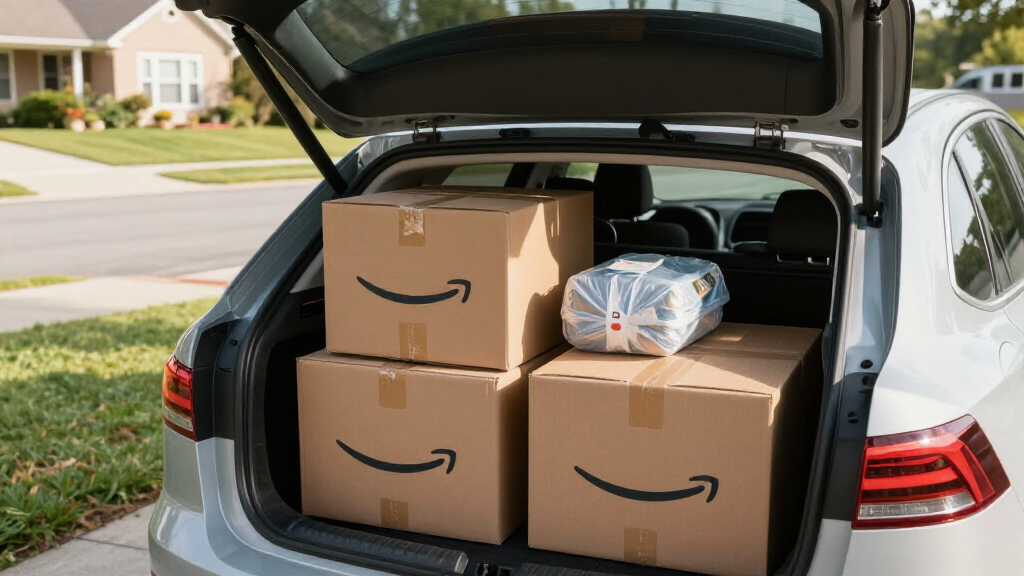
Amazon has become the largest pollution source in the United States due to its rapid expansion of logistics centers and delivery operations, according to environmental analysis reports. This development matters because it significantly impacts national pollution levels and raises questions about corporate environmental responsibility.
Recent environmental assessments indicate that Amazon’s new logistics facilities, including warehouses and distribution centers, are responsible for higher emissions than any other company in the country. Experts estimate that Amazon’s operations now produce more greenhouse gases and particulate pollution than the combined output of several major industries.
According to a report by the Environmental Research Institute, Amazon’s logistics network has expanded by over 50% in the past two years, with new facilities often located near urban centers. These centers rely heavily on diesel-powered trucks and equipment, contributing substantially to local air pollution.
Amazon has not officially responded to the pollution estimates but has stated that it is committed to sustainability goals, including investing in electric delivery vehicles and renewable energy sources. However, critics argue that the scale of expansion has outpaced its environmental commitments.
Implications of Amazon’s Pollution Surge for Public Health and Policy
This development is significant because Amazon’s status as the largest pollution source could influence regulatory policies and public health initiatives. Increased emissions from logistics operations contribute to air quality issues, especially in urban areas where many new facilities are located. It also raises questions about corporate accountability and the effectiveness of existing environmental regulations.
As an affiliate, we earn on qualifying purchases.
Rapid Growth of Amazon’s Logistics Network and Environmental Impact
Over the past decade, Amazon has expanded its logistics infrastructure dramatically, aiming to speed up delivery times and reduce costs. This growth has included the construction of hundreds of warehouses across the country, many of which operate with high-emission equipment. Previous environmental reports have highlighted Amazon’s efforts to improve sustainability, but recent assessments suggest that the environmental impact of its expansion may be greater than anticipated.
“Amazon’s logistics expansion has led to a significant increase in local pollution levels, surpassing previous records for corporate emissions.”
— Dr. Lisa Chen, Environmental Scientist
renewable energy logistics warehouse
As an affiliate, we earn on qualifying purchases.
As an affiliate, we earn on qualifying purchases.
Uncertainties About the Full Scale of Amazon’s Environmental Impact
While estimates suggest Amazon is now the largest pollution source, precise data on total emissions, especially from all logistics facilities nationwide, remains incomplete. Amazon has not disclosed detailed emissions figures, and independent assessments are ongoing. It is also unclear how much of this pollution is attributable to recent expansions versus ongoing operations.
air quality monitor for urban areas
As an affiliate, we earn on qualifying purchases.
As an affiliate, we earn on qualifying purchases.
Next Steps in Monitoring and Regulating Amazon’s Pollution Levels
Environmental agencies are expected to conduct further investigations into Amazon’s emissions. Policymakers may consider new regulations targeting logistics and delivery emissions. Amazon is likely to face increased scrutiny and possibly new commitments to reduce its environmental impact. Monitoring reports and independent audits will be critical in assessing progress.
As an affiliate, we earn on qualifying purchases.
Key Questions
How did Amazon become the largest pollution source?
Amazon’s rapid expansion of logistics centers and delivery operations, primarily relying on diesel-powered trucks and equipment, has led to increased emissions, making it the top pollution contributor in the country.
What specific pollutants are involved?
The main pollutants include greenhouse gases like carbon dioxide (CO2) and particulate matter, which contribute to air pollution and climate change.
Is Amazon taking steps to reduce its pollution?
Amazon has announced investments in electric vehicles and renewable energy, but critics say these efforts have not yet offset the emissions from its expanding logistics network.
What are the health implications of this pollution?
Increased air pollution can worsen respiratory and cardiovascular health, especially in communities near logistics facilities and urban centers.
Will regulations change because of this development?
Environmental regulators may consider new policies targeting logistics emissions, but specific regulatory changes are still under discussion.
Source: hn
Halloween Picks
halloween
As an affiliate, we earn on qualifying purchases.