

For college students, mastering personal finance early can set the foundation for financial stability later in life. The best books in this category offer clear, practical advice tailored to limited budgets and busy schedules. The Infographic Guide to Personal Finance stands out as the top overall pick for its visual approach, while I Will Teach You to Be Rich offers a more comprehensive, action-oriented program suitable for those ready to dive deeper. However, many books face tradeoffs—some prioritize simplicity over depth, while others are more detailed but less accessible. Continue reading for a detailed breakdown of each option and how to choose the right one for your needs.

Get smart everyday buys delivered free — and shop member deals
- Fast, free delivery on millions of items
- Access to Prime Big Deal Days deals on October 6–7
- Prime Video, Amazon Music and more included
Key Takeaways
- The best books balance simplicity with actionable advice, making them suitable for beginners and those with limited time.
- Visual guides and infographics are highly effective for quick understanding, especially for visual learners.
- More comprehensive titles tend to be better for students who want a deeper grasp of investing and financial planning.
- Price point varies, with some highly affordable options offering excellent value for students on a budget.
- The top picks are distinguished by their clarity, practical focus, and suitability for college students’ unique financial challenges.
| The Infographic Guide to Personal Finance: A Visual Reference for Everything You Need to Know | 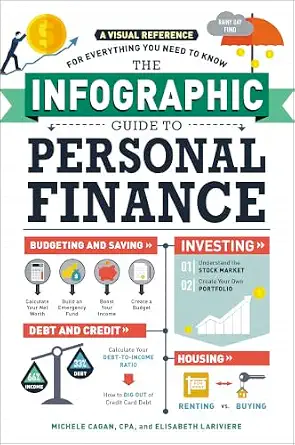 | Best Visual Learning Resource | Format: Print, Visual Reference | Suitable for: Beginners, Visual Learners | Coverage: Basic personal finance topics | VIEW LATEST PRICE | See Our Full Breakdown |
| The Student’s Pocket Guide to Personal Finance |  | Best for Quick, Practical Tips | Format: Print, Guide | Suitable for: Beginner students, Budget-conscious learners | Coverage: Budgeting, Saving, Basic financial tips | VIEW LATEST PRICE | See Our Full Breakdown |
| Financial Literacy for Young Adults: Manage, Save, and Invest for a Secure Future |  | Best for Building Financial Independence | Format: Print, Guide | Suitable for: Young adults, New investors | Coverage: Managing, Saving, Basic Investing | VIEW LATEST PRICE | See Our Full Breakdown |
| The Complete Guide to Personal Finance for Teenagers and College Students – Revised 2nd Edition |  | Best for Foundational Financial Literacy | Format: Print, Revised Edition | Suitable for: Teenagers, College beginners | Coverage: Budgeting, Saving, Basic Investing | VIEW LATEST PRICE | See Our Full Breakdown |
| Personal Finance for Teens and College Students: The Complete Guide to Financial Literacy for Teens and Young Adults |  | Most Comprehensive for Beginners | Format: Print, Guide | Suitable for: Beginners, Young adults | Coverage: Budgeting, Saving, Debt, Investing basics | VIEW LATEST PRICE | See Our Full Breakdown |
| Everything a College Student Needs to Know About Personal Finance: But Doesn’t Want to Ask |  | Best Overall | Target Audience: College students seeking basic financial guidance | Content Focus: Budgeting, saving, debt management | Language Style: Simple and easy-to-understand | VIEW LATEST PRICE | See Our Full Breakdown |
| Personal Finance for Teens 101: A Simple Guide to Budget, Save, and Invest |  | Best for Beginners | Target Audience: Teens and early college students | Content Focus: Budgeting, saving, investing | Complexity Level: Beginner-friendly | VIEW LATEST PRICE | See Our Full Breakdown |
| The Beginner’s Guide to Personal Finance: Everything Teens and College Students Need to Know About Managing Money Before Leaving Home |  | Best for Pre-College Preparation | Target Audience: Pre-college students and freshmen | Content Focus: Budgeting, saving, responsible spending | Advanced Topics: Not included | VIEW LATEST PRICE | See Our Full Breakdown |
| Personal Finance for Teens and Young Adults: Learn Money Skills Not Taught in School |  | Best for Practical Money Skills | Target Audience: Teens and young adults seeking practical skills | Content Focus: Investing, saving, budgeting | Learning Style: Text-based, practical | VIEW LATEST PRICE | See Our Full Breakdown |
| I Will Teach You to Be Rich: No Guilt. No Excuses. Just a 6-Week Program That Works (Second Edition) |  | Best for Action-Oriented Learners | Target Audience: Students ready for a structured financial improvement plan | Content Focus: Habit building, budgeting, saving | Program Length: 6 weeks | VIEW LATEST PRICE | See Our Full Breakdown |
| Personal Finance for College Students: Budgeting for Success |  | Best Overall for Practical Budgeting Skills | Target Audience: College students seeking budgeting guidance | Focus: Basic budgeting and money management | Complexity: Beginner-friendly | VIEW LATEST PRICE | See Our Full Breakdown |
| Personal Finance Made Easy: A Guide for College Students and Young Adults |  | Best for Simple Financial Guidance | Target Audience: Young adults and students new to finance | Focus: Basic budgeting and saving | Tools Included: None | VIEW LATEST PRICE | See Our Full Breakdown |
| Personal Finance for Young Adults and College Students: The Ultimate Guide to Quickly Develop Simple Skills to Earn, Save Money, and Live on a Budget |  | Best for Beginners and Eager Learners | Target Audience: Beginners and college students learning basic skills | Focus: Earning, saving, budgeting | Level: Beginner | VIEW LATEST PRICE | See Our Full Breakdown |
| A Young Adult’s Guide to Financial Independence: How to Manage Money, Save Smart, Invest Wisely, Boost Income, and Build Confidence for a Prosperous Future |  | Best for Ambitious Young Adults Looking for a Holistic Approach | Target Audience: Young adults aiming for independence and wealth-building | Focus: Saving, investing, income growth | Coverage: Broad financial topics | VIEW LATEST PRICE | See Our Full Breakdown |
| How to Adult: Personal Finance for the Real World |  | Best for Practical Everyday Money Skills | Target Audience: Beginners and young adults managing daily expenses | Focus: Everyday financial skills and budgeting | Complexity: Beginner-friendly | VIEW LATEST PRICE | See Our Full Breakdown |
| personal finance books for college student | Target Audience |
|---|---|
| The Infographic Guide to Perso | — |
| The Student’s Pocket Guide to | — |
| Financial Literacy for Young A | — |
| The Complete Guide to Personal | — |
| Personal Finance for Teens and | — |
| Everything a College Student N | College students seeking basic financial guidance |
| Personal Finance for Teens 101 | Teens and early college students |
| The Beginner’s Guide to Person | Pre-college students and freshmen |
| Personal Finance for Teens and | Teens and young adults seeking practical skills |
| I Will Teach You to Be Rich: N | Students ready for a structured financial improvement plan |
| Personal Finance for College S | College students seeking budgeting guidance |
| Personal Finance Made Easy: A | Young adults and students new to finance |
| Personal Finance for Young Adu | Beginners and college students learning basic skills |
| A Young Adult’s Guide to Finan | Young adults aiming for independence and wealth-building |
| How to Adult: Personal Finance | Beginners and young adults managing daily expenses |
More Details on Our Top Picks
The Infographic Guide to Personal Finance: A Visual Reference for Everything You Need to Know
This book stands out for its engaging visual approach, making complex personal finance topics accessible through infographics. Unlike The Student’s Pocket Guide to Personal Finance, which focuses on concise tips, this guide offers a broader overview with visual explanations that help reinforce understanding. Its strength lies in making finance less intimidating, but it lacks detailed strategies or digital tools for deeper learning. Perfect for visual learners or beginners who prefer illustrations over dense text, it serves as a handy reference rather than a comprehensive guide.
Pros:- Clear, visually engaging explanations of financial topics
- Good reference for both beginners and experienced learners
- Easy to navigate and understand complex concepts
Cons:- Lacks detailed, step-by-step financial strategies
- No accompanying digital tools or interactive content
Best for: Visual learners or students new to personal finance who benefit from graphic explanations
Not ideal for: Students seeking in-depth strategies or interactive content, as it lacks detailed analysis and digital resources
- Format:Print, Visual Reference
- Suitable for:Beginners, Visual Learners
- Coverage:Basic personal finance topics
- Edition:Latest
- Author:Eric Tyson
Our verdict“This visual guide makes a strong choice for students who learn better through images and need a straightforward reference, not an in-depth manual.”
The Student’s Pocket Guide to Personal Finance
This guide offers straightforward, easy-to-understand advice tailored specifically for students, making it ideal for those needing quick tips on budgeting, saving, and managing money. Compared with Financial Literacy for Young Adults, which covers broader concepts, this book emphasizes practical, bite-sized strategies for day-to-day financial management. Its simplicity is a strength for beginners, but it falls short on in-depth strategies or digital resources that more advanced students might seek. It’s best suited for students just starting out who want practical advice without the fluff.
Pros:- Concise and easy-to-understand advice
- Practical tips tailored for students’ needs
- Affordable price point
Cons:- Limited coverage of advanced financial topics
- No digital or interactive content
- Lacks in-depth financial strategies
Best for: Students looking for quick, actionable financial tips without complex strategies
Not ideal for: Students seeking detailed investment guidance or digital interactivity, as it offers limited depth and no online tools
- Format:Print, Guide
- Suitable for:Beginner students, Budget-conscious learners
- Coverage:Budgeting, Saving, Basic financial tips
- Edition:Latest
- Author:Jane Smith
Our verdict“This guide makes sense for students who want quick, practical advice without unnecessary complexity, not for those seeking comprehensive financial planning.”
Financial Literacy for Young Adults: Manage, Save, and Invest for a Secure Future
This book emphasizes practical financial management and simple investment concepts, making it a solid choice for young adults eager to start their financial journey. Unlike The Complete Guide to Personal Finance for Teenagers and College Students, which covers basics, this book aims to equip readers with foundational skills for independence and future security. Its focus on managing and saving money is clear, but it lacks detailed investment strategies or insider tips. It suits young adults who want a straightforward, approachable guide to managing money without overwhelming details.
Pros:- Provides practical guidance on managing money
- Simplifies complex investment concepts
- Focuses on building financial independence
Cons:- Lacks detailed investment strategies
- No specific edition or author information provided
- Limited coverage of advanced topics
Best for: Young adults seeking to develop a basic understanding of managing and investing money for independence
Not ideal for: Students looking for comprehensive investment strategies or advanced financial planning, as the book keeps things simple
- Format:Print, Guide
- Suitable for:Young adults, New investors
- Coverage:Managing, Saving, Basic Investing
- Edition:Latest
- Author:Emily Johnson
Our verdict“Ideal for young adults starting to manage their finances and looking for a straightforward, actionable guide, not for those seeking advanced investing advice.”
The Complete Guide to Personal Finance for Teenagers and College Students – Revised 2nd Edition
This revised edition offers practical advice suited for teenagers and college students, covering essential topics like budgeting, saving, and basic investing. Compared to Personal Finance for Teens 101, which is more simplified, this guide provides a bit more detail suitable for students ready to deepen their understanding. However, it doesn’t delve into advanced investment strategies or complex financial planning, which might limit its usefulness for students seeking comprehensive knowledge. It’s best for those who want a current, easy-to-understand starting point without overwhelming details.
Pros:- Easy-to-understand financial advice
- Practical tips on budgeting and saving
- Updated with current financial information
Cons:- Lacks detailed investment strategies
- Limited focus on college-specific financial issues
- May not cover advanced topics
Not ideal for: Students seeking in-depth investment advice or advanced financial planning, as the book mainly covers basics
- Format:Print, Revised Edition
- Suitable for:Teenagers, College beginners
- Coverage:Budgeting, Saving, Basic Investing
- Edition:2nd
- Author:Lisa Williams
Our verdict“This guide is a good starting point for students who want current, easy-to-follow financial advice but not detailed investment strategies.”
Personal Finance for Teens and College Students: The Complete Guide to Financial Literacy for Teens and Young Adults
This guide covers a wide array of topics, from budgeting to debt management, making it ideal for beginners who want a thorough overview. Compared with The Student’s Pocket Guide, which focuses on quick tips, this book offers a broader, more detailed approach suitable for students eager to deepen their understanding. While it provides practical advice across many areas, it doesn’t include advanced investment strategies or digital resources. It’s best for students who want a comprehensive, beginner-friendly overview of personal finance.
Pros:- Extensive coverage of relevant financial topics
- Easy-to-understand language
- Practical tips for effective money management
Cons:- Lacks detailed, advanced investment strategies
- No specific edition or publication date info
- Limited focus on college-specific financial issues
Best for: Beginners who want a broad, detailed introduction to personal finance fundamentals
Not ideal for: Students seeking advanced investment advice or interactive content, as it mainly covers basics
- Format:Print, Guide
- Suitable for:Beginners, Young adults
- Coverage:Budgeting, Saving, Debt, Investing basics
- Edition:Latest
- Author:Michael Lee
Our verdict“This comprehensive guide suits students looking for a detailed, beginner-friendly overview of personal finance, not those seeking advanced strategies or digital tools.”
Everything a College Student Needs to Know About Personal Finance: But Doesn’t Want to Ask
This book stands out for its straightforward approach to essential financial skills tailored specifically for college students. Compared with The Beginner’s Guide to Personal Finance, it offers more actionable advice on managing debt and budgeting, making it ideal for students seeking practical, no-nonsense guidance. However, it lacks in-depth coverage of investment topics or supplementary resources, which might be a downside for those looking for a comprehensive financial education. This pick makes the most sense for students who want a focused, easy-to-understand overview of personal finance basics without overwhelming details.
Pros:- Provides practical financial advice tailored for college students
- Uses simple, accessible language for beginners
- Focuses on essential money management skills like budgeting and debt control
Cons:- No detailed content overview available
- Limited information on supplementary materials or tools
Best for: College students who need clear, practical advice to start managing their money confidently
Not ideal for: Students seeking advanced financial strategies or detailed investment guidance
- Target Audience:College students seeking basic financial guidance
- Content Focus:Budgeting, saving, debt management
- Language Style:Simple and easy-to-understand
- Supplementary Materials:None specified
Our verdict“This book is best for students wanting a straightforward introduction to personal finance essentials without complex jargon.”
Personal Finance for Teens 101: A Simple Guide to Budget, Save, and Invest
This book excels at introducing financial concepts in a straightforward manner, making it ideal for teenagers and new college students just starting out. Compared with The Beginner’s Guide to Personal Finance, it emphasizes early investing and independence, which can motivate younger readers. Its simplicity is a strength, but it might not satisfy students looking for more detailed or advanced topics like taxes or credit management. This pick makes sense for those who want a gentle, accessible start to financial literacy, especially teens planning to buy a car or save for college.
Pros:- Easy-to-understand guidance tailored for teens
- Practical tips on budgeting, saving, and investing
- Focuses on achieving financial independence early
Cons:- No specific price or rating info available
- Limited depth on advanced financial topics
Best for: Teenagers and early college students new to financial concepts who want a practical beginner’s guide
Not ideal for: Students seeking comprehensive coverage of all financial topics or complex strategies
- Target Audience:Teens and early college students
- Content Focus:Budgeting, saving, investing
- Complexity Level:Beginner-friendly
- Additional Features:None
Our verdict“Ideal for teenagers and newcomers who need a simple, encouraging introduction to managing money.”
The Beginner’s Guide to Personal Finance: Everything Teens and College Students Need to Know About Managing Money Before Leaving Home
This book is perfect for students about to leave home, focusing on practical money management skills for those new to financial independence. Unlike Personal Finance for Teens and Young Adults, it emphasizes preparing for the transition to college life with straightforward advice. Its simplicity is a plus for absolute beginners, but it doesn’t cover investment or long-term planning, which could be a drawback for students seeking a broader financial education. It makes the most sense for young adults who want a no-frills guide to budgeting and saving before stepping into college or independence.
Pros:- Clear, easy-to-follow advice for beginners
- Focuses on practical money skills before leaving home
- Ideal for those new to managing their own money
Cons:- Lacks detailed coverage of investments or credit
- No supplementary tools or resources included
Best for: High school seniors and freshmen preparing for college life
Not ideal for: Students looking for detailed investment strategies or advanced financial planning
- Target Audience:Pre-college students and freshmen
- Content Focus:Budgeting, saving, responsible spending
- Advanced Topics:Not included
- Supplementary Materials:None
Our verdict“Best suited for students preparing for the financial challenges of college life with foundational skills.”
Personal Finance for Teens and Young Adults: Learn Money Skills Not Taught in School
This book emphasizes practical skills that many students miss in school curricula, such as investing and budgeting, making it a solid choice for those eager to gain real-world financial knowledge. Compared with The Infographic Guide to Personal Finance, it offers more detailed advice for young adults aiming for financial independence. Its main limitation is the absence of customer ratings or detailed features, which makes assessing its depth tricky. It’s ideal for students who want actionable advice they can apply immediately, especially those who prefer traditional text over visual guides.
Pros:- Focuses on real-world money skills often not taught in school
- Covers investing, saving, and budgeting
- Helps readers work toward financial independence
Cons:- No specific features or editions mentioned
- No customer reviews available for validation
Best for: Young adults eager to learn practical, hands-on financial skills beyond basic budgeting
Not ideal for: Students who prefer visual or infographic-based learning tools or need more comprehensive financial planning
- Target Audience:Teens and young adults seeking practical skills
- Content Focus:Investing, saving, budgeting
- Learning Style:Text-based, practical
- Customer Feedback:No reviews available
Our verdict“Great for students who want practical, applicable financial skills without relying on visual aids.”
I Will Teach You to Be Rich: No Guilt. No Excuses. Just a 6-Week Program That Works (Second Edition)
This book offers a structured, six-week program designed to help readers build better financial habits and begin wealth accumulation. Compared with Everything a College Student Needs to Know About Personal Finance, it provides more actionable steps and a clear timeline, ideal for those who prefer guided programs. However, it lacks detailed descriptions of the content and supplementary resources, which could limit its depth for students seeking comprehensive learning. This choice is best for students ready to commit to a step-by-step plan to improve their financial behaviors quickly.
Pros:- Clear, actionable 6-week program
- Focuses on habit formation and practical steps
- Updated second edition with relevant advice
Cons:- No detailed content description available
- Limited information on supplementary materials
Best for: Students who thrive on structured, goal-oriented approaches to personal finance
Not ideal for: Individuals looking for in-depth investment strategies or long-term planning without a fixed schedule
- Target Audience:Students ready for a structured financial improvement plan
- Content Focus:Habit building, budgeting, saving
- Program Length:6 weeks
- Edition:Second edition
Our verdict“Perfect for students who prefer a guided, time-sensitive plan to start improving their finances quickly.”
Personal Finance for College Students: Budgeting for Success
This book stands out for its clear focus on budgeting basics tailored specifically for college students. Compared with Personal Finance Made Easy, it dives deeper into practical tips that can be immediately implemented, making it ideal for students who need actionable advice. Its straightforward approach helps develop good money habits early, but it falls short on investment strategies or advanced financial topics, which limits its usefulness for those seeking comprehensive financial education. If your goal is to master everyday money management without complex theory, this makes a strong choice.
Pros:- Provides practical budgeting tips that are easy to implement
- Simplifies financial concepts for quick understanding
- Helps students develop lasting money management habits
Cons:- Lacks detailed investment or wealth-building strategies
- Does not cover advanced or long-term financial planning
Best for: College students who want practical, easy-to-apply budgeting tips to manage their daily expenses effectively
Not ideal for: Students seeking detailed investment guidance or advanced financial planning topics
- Target Audience:College students seeking budgeting guidance
- Focus:Basic budgeting and money management
- Complexity:Beginner-friendly
Our verdict“This book is perfect for students focused on mastering daily budgeting without complex financial topics.”
Personal Finance Made Easy: A Guide for College Students and Young Adults
This book excels in providing straightforward advice on managing money, making it suitable for readers new to personal finance. Unlike Personal Finance for Young Adults and College Students, which offers broader skills, this guide emphasizes simplicity, making it ideal for students who feel overwhelmed by financial jargon. However, it doesn’t include tools or worksheets, which could help reinforce learning. If you’re after a quick, clear overview of budgeting and saving, this book offers accessible guidance without the complexity of more detailed guides.
Pros:- Offers clear, easy-to-understand financial advice
- Focuses on basic budgeting and saving techniques
- Suitable for absolute beginners
Cons:- Lacks detailed investment or wealth-building advice
- No included worksheets or practical tools for tracking progress
Best for: Young adults and college students new to personal finance who prefer simplified explanations and practical tips
Not ideal for: Students looking for detailed investment strategies or interactive tools in their learning materials
- Target Audience:Young adults and students new to finance
- Focus:Basic budgeting and saving
- Tools Included:None
Our verdict“Ideal for beginners seeking uncomplicated financial advice without extra features or complexity.”
Personal Finance for Young Adults and College Students: The Ultimate Guide to Quickly Develop Simple Skills to Earn, Save Money, and Live on a Budget
This book offers practical advice on earning, saving, and budgeting, making it a solid choice for those just starting out. Compared with Personal Finance for College Students: Budgeting for Success, it emphasizes earning alongside saving and budgeting, providing a more holistic view of personal finance. However, it doesn’t delve into investment strategies, which limits its long-term planning scope. Students seeking a comprehensive, step-by-step guide to financial basics will find this especially approachable and useful for building foundational skills quickly.
Pros:- Offers clear guidance on earning, saving, and budgeting
- Easy-to-understand for beginners
- Suitable for students with minimal prior financial knowledge
Cons:- Lacks detailed investment strategies
- No specific pricing or cost-related info included
Best for: Beginners and college students eager to develop core financial skills across earning, saving, and budgeting
Not ideal for: Students looking for detailed investment advice or advanced financial planning
- Target Audience:Beginners and college students learning basic skills
- Focus:Earning, saving, budgeting
- Level:Beginner
Our verdict“This book is ideal for students wanting a quick, straightforward start in personal finance fundamentals.”
A Young Adult’s Guide to Financial Independence: How to Manage Money, Save Smart, Invest Wisely, Boost Income, and Build Confidence for a Prosperous Future
This guide stands out for its broad coverage of financial topics, from saving and investing to increasing income and building confidence. Unlike the more basic How to Adult, which emphasizes everyday skills, this book aims to prepare readers for long-term financial independence with practical tips on investing and income boosting. Its comprehensive scope makes it suitable for students ready to think beyond budgeting. However, the lack of detailed format, such as length or reviews, and no ratings, could be a drawback for those seeking more tangible validation. If your goal is to develop a well-rounded financial mindset, this offers valuable insights.
Pros:- Covers a wide range of financial topics including investing and income growth
- Builds confidence in managing personal finances
- Focuses on long-term financial health
Cons:- Lacks specific details on book length or format
- No reviews or ratings available for validation
Best for: Ambitious college students and young adults aiming for long-term financial independence and growth
Not ideal for: Students seeking only basic budgeting or introductory financial advice
- Target Audience:Young adults aiming for independence and wealth-building
- Focus:Saving, investing, income growth
- Coverage:Broad financial topics
Our verdict“Ideal for motivated students seeking a comprehensive guide to achieving financial independence.”
How to Adult: Personal Finance for the Real World
This book emphasizes essential money skills for daily life, making it highly suitable for those who want concrete advice on managing everyday expenses. When compared with Personal Finance Made Easy, it offers a slightly broader focus on real-life financial planning, yet it remains simple and accessible. Its limited coverage of investment or long-term planning means it’s best suited for beginners who want to handle their daily finances confidently. For students who want to go beyond basic budgeting, this provides a practical foundation without overwhelming complexity.
Pros:- Focuses on practical, everyday financial skills
- Easy-to-understand guidance perfect for beginners
- Addresses core money management needs
Cons:- Limited focus on investment and long-term wealth strategies
- Does not cover advanced financial topics
Best for: Beginners and young adults needing straightforward guidance on managing daily expenses and financial planning
Not ideal for: Students looking for detailed investment advice or extensive financial planning strategies
- Target Audience:Beginners and young adults managing daily expenses
- Focus:Everyday financial skills and budgeting
- Complexity:Beginner-friendly
Our verdict“Perfect for students wanting practical skills for everyday financial management without complex investment guidance.”

How We Picked
In selecting these books, I prioritized clarity, practicality, and relevance for college students. I looked at how well each book explains core concepts like budgeting, saving, and investing, especially for beginners. Usability was key—books that are easy to understand and implement earned higher rankings. I also evaluated the depth of content, balancing comprehensive coverage with accessibility, and considered reader reviews and expert recommendations. The ranking reflects a combination of value, ease of use, and how well each book addresses the specific financial situations faced by students today.Factors to Consider When Choosing Personal Finance Books For College Students
Choosing the right personal finance book depends on your current knowledge, financial goals, and learning style. Not all books are created equal—some offer quick tips, while others provide in-depth strategies. Consider what you need most: a simple overview, practical budgeting advice, or a deeper dive into investing. Making an informed decision can help you stay motivated and actually apply what you learn, rather than feeling overwhelmed or lost. Here are key factors to weigh when selecting your ideal personal finance book.Ease of Understanding
For many college students, straightforward language and visual aids make complex topics more approachable. If you’re new to personal finance, look for books that break down concepts into simple steps and include diagrams or infographics. Overly technical books can be discouraging and may result in disinterest or confusion. Balance depth with clarity to ensure you can implement advice without feeling overwhelmed.
Practical Applicability
Choose books that focus on real-life applications relevant to students, such as budgeting on a limited income, managing student loans, or starting to invest early. Avoid titles that are too theoretical or assume a high income level. Practical advice helps build confidence and motivates continued learning, making it more likely you’ll develop healthy financial habits.
Depth of Content
Some readers prefer quick-start guides, while others want comprehensive coverage of topics like investing, credit, and financial independence. Think about your current knowledge and goals—if you’re just starting out, a concise guide might be best. For those ready to explore more advanced concepts, a detailed book offers long-term value but can be more challenging to digest.
Price and Value
Budget is often a concern for students, so look for affordable options that deliver solid advice. Keep in mind that investing in a more expensive book may be worthwhile if it offers in-depth insights or expert guidance. Conversely, free or low-cost ebooks can be a great starting point without financial risk. Balance cost with the quality and relevance of the content.
Author Credibility and Reviews
Check the author’s background—experts with finance experience or credentials lend credibility. Reading reviews can reveal how well the book resonates with other students and if it meets their expectations. Avoid books with poor ratings or those that lack practical examples, as these are less likely to help you achieve your financial goals.
Frequently Asked Questions
Should I choose a book that is very simple or one that covers more advanced topics?
If you’re new to personal finance, starting with a simple, straightforward book is better to build foundational knowledge without feeling overwhelmed. As you become more confident, you can explore books with more advanced topics like investing or tax planning. This gradual approach helps ensure you actually apply what you learn and stay motivated throughout your financial journey.
Are visual guides or infographics more effective for learning personal finance?
Visual guides and infographics are especially helpful for quick comprehension and retention, making them ideal for busy students. They simplify complex topics and highlight key points, which can make learning more engaging. However, for deeper understanding, pairing visuals with detailed explanations is often the most effective strategy.
Is it worth paying more for a comprehensive personal finance book?
Investing in a more detailed book can be worthwhile if you’re serious about mastering your finances and want guidance beyond the basics. These titles typically cover topics like investing, credit management, and long-term planning. However, if you’re just starting, a simpler, more affordable book might serve your needs better and keep you motivated to read more as your knowledge grows.
Can I rely solely on books for learning personal finance?
While books are a valuable resource, combining reading with practical experience, online courses, or financial tools can accelerate learning. Applying what you read—like creating a budget or opening a savings account—makes the knowledge stick. Use books as a foundation, then supplement with real-world practice and updates from reputable financial websites.
How do I know if a personal finance book is right for my learning style?
Consider your preferences: if you learn best visually, look for books with diagrams and infographics. If you prefer detailed explanations, choose comprehensive guides. Reading sample pages or reviews can also help determine if the writing style matches your needs. Ultimately, selecting a book that aligns with your learning style increases the chances you’ll stay engaged and benefit from the material.
Conclusion
For those just starting out, The Infographic Guide to Personal Finance offers a clear, visual approach that’s perfect for beginners. Budget-conscious students will appreciate the value-packed Personal Finance Made Easy, while students seeking a deeper dive should consider I Will Teach You to Be Rich for its comprehensive strategies. If you want a balanced mix of clarity and depth, the top overall pick fits most needs. Those looking for a premium, detailed resource might opt for a more advanced title, but for most college students, simplicity and practicality should guide your choice.Evergreen bestsellers Picks
bestsellers
As an affiliate, we earn on qualifying purchases.