
TL;DR

Get smart everyday buys delivered free with Prime
- Fast, free delivery on millions of items
- Prime Video, Amazon Music and more included
- Member-only deals all year
Former President Donald Trump announced tariffs of up to 100% on drone imports, aiming to restrict China’s technological expansion. The move signals a shift in US trade policy amid ongoing tensions with China.
Former President Donald Trump announced the imposition of tariffs of up to 100% on drone imports into the United States, citing concerns over national security and China’s expanding technological influence. The move marks a significant shift in US trade policy aimed at limiting China’s access to advanced drone technology.
The tariffs, which will range from 50% to 100% depending on the type of drone, are set to take effect within the next 30 days, according to an official statement from the Trump administration. The tariffs target a broad range of drones used in commercial, industrial, and military applications, with officials arguing that these devices could be used for espionage or military purposes.
Trade officials confirmed that the tariffs are part of a broader strategy to restrict China’s technological expansion and to bolster domestic manufacturing of drones and related components. The move follows months of increased rhetoric from Trump and his allies about China’s growing influence in critical technology sectors.
Implications for US-China Tech Competition
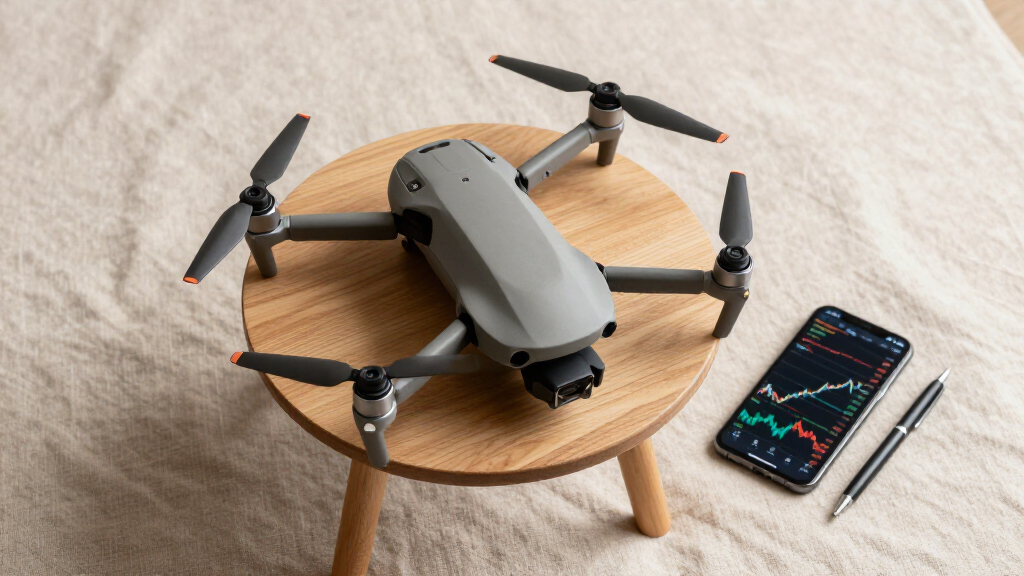
This decision represents a significant escalation in the US effort to curb China’s access to advanced drone technology, which is seen as critical for military and surveillance purposes. The tariffs could reshape global supply chains, increase costs for US drone consumers, and intensify trade tensions between the two nations. For US allies and companies, this may lead to shifts in sourcing and increased scrutiny of Chinese-made technology. The move underscores ongoing concerns about national security and economic competitiveness in the tech sector, and signals a more aggressive stance by the US government toward China’s technological ambitions.professional drone for industrial use
As an affiliate, we earn on qualifying purchases.
As an affiliate, we earn on qualifying purchases.
Background on US-China Drone and Tech Tensions
Over the past few years, the US has taken various steps to restrict Chinese technology companies and imports, citing security risks. The US government has previously imposed bans and restrictions on Chinese tech firms like Huawei and ZTE, and has increased scrutiny of Chinese-made components in critical infrastructure. The recent tariffs on drones are part of a broader effort to limit China’s influence in emerging technologies, particularly in areas with military and intelligence applications. Historically, China has become a major manufacturer of drones, with exports increasing globally, prompting concerns from US policymakers about potential espionage and military threats.
“These tariffs are necessary to protect our national security and ensure that sensitive technologies do not fall into the wrong hands.”
— U.S. Trade Secretary
As an affiliate, we earn on qualifying purchases.
Unclear Impact on Global Drone Market and China
It is not yet clear how China will respond to these tariffs or whether China will impose retaliatory measures. The specific impact on global drone supply chains and prices remains uncertain, as does the effect on US domestic drone manufacturing. Additionally, the precise scope of the tariffs—such as which drone models or components are affected—has not been fully detailed.
commercial drone with high payload capacity
As an affiliate, we earn on qualifying purchases.
As an affiliate, we earn on qualifying purchases.
Next Steps: Implementation and International Reactions
The tariffs are expected to be implemented within 30 days, with US Customs and Border Protection overseeing enforcement. Analysts anticipate potential diplomatic responses from China, which may include retaliatory tariffs or trade restrictions. US industry groups are likely to lobby against increased costs, and there may be legal challenges to the tariffs’ scope or justification. The Biden administration and Congress may also respond with further policy measures related to technology and trade security.
As an affiliate, we earn on qualifying purchases.
Key Questions
Why did Trump impose tariffs specifically on drones?
Officials cited concerns over national security and China’s potential use of drones for espionage or military purposes, aiming to restrict China’s technological influence in critical areas.
Will these tariffs affect consumer drones or only military and industrial drones?
The tariffs target a broad range of drones, including those used in commercial, industrial, and military sectors, but specific details on affected models are still emerging.
How might China respond to these tariffs?
While not officially announced, China could retaliate with tariffs on US exports or impose restrictions on US companies operating in China, escalating trade tensions.
Could this lead to legal challenges or protests?
It is possible that affected companies or trade groups may challenge the tariffs legally or lobby policymakers, especially if costs increase significantly.
Source: rss
Fall Picks
fall essentials
As an affiliate, we earn on qualifying purchases.