
TL;DR

Get smart everyday buys delivered free with Prime
- Fast, free delivery on millions of items
- Prime Video, Amazon Music and more included
- Member-only deals all year
Former President Donald Trump has publicly expressed suspicion that Iran was behind an attack on Saudi Arabia’s main oil pipeline. The claim is unconfirmed, and U.S. officials have not officially attributed responsibility. The incident has heightened regional tensions and concerns over energy security.
Former President Donald Trump has publicly suspected Iran of being responsible for an attack on Saudi Arabia’s main oil pipeline. The claim comes amid rising tensions in the Middle East and unconfirmed reports of sabotage targeting critical energy infrastructure. This development has drawn international attention due to its potential impact on global oil supplies and regional stability.
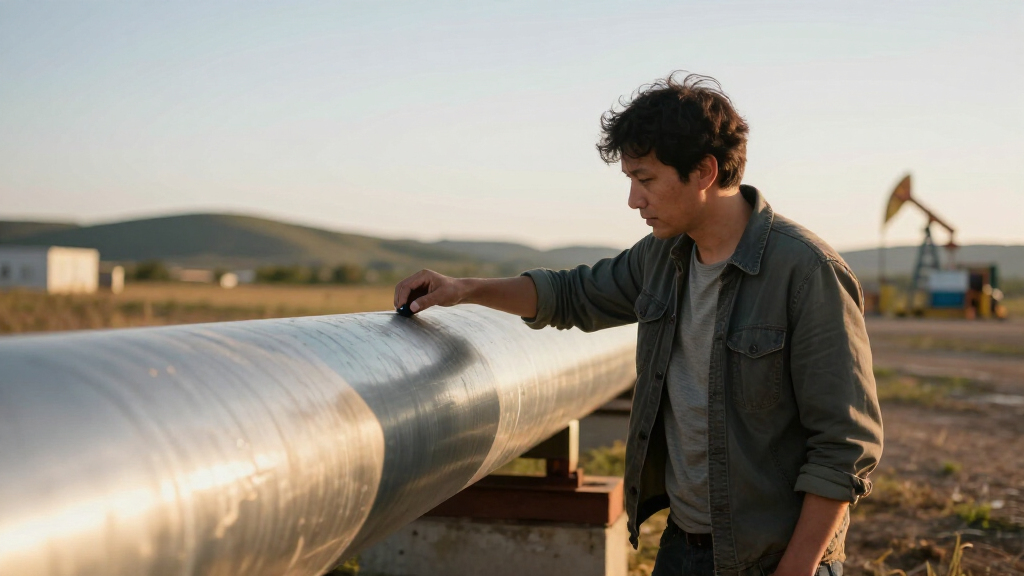
According to reports circulating in the media, Trump stated that he suspects Iran was behind an attack on the Saudi oil pipeline, though he did not provide concrete evidence. The incident reportedly involved damage to the pipeline, which is a vital conduit for Saudi oil exports, but details about the attack — including timing, method, and scope — remain unconfirmed.
U.S. officials have not officially attributed the attack to Iran or any other actor. The Saudi government has yet to release detailed information about the incident or confirm the cause of the damage. Meanwhile, Iran has denied involvement, calling the accusations “baseless” and emphasizing its commitment to regional stability.
The incident has coincided with a period of heightened tensions in the region, driven by ongoing conflicts, diplomatic disputes, and recent military posturing. Experts note that attacks on energy infrastructure are a common tactic in regional conflicts, but verified details are scarce at this stage.
Potential Impact on Global Oil Markets and Regional Stability
This suspected attack, if confirmed to be linked to Iran, could escalate tensions between Iran and Saudi Arabia, both regional powers with a history of conflict. The damage to the pipeline threatens to disrupt oil supplies, potentially causing volatility in global markets and affecting energy prices worldwide. The incident underscores the fragility of regional stability and the risks posed by unresolved conflicts and proxy tensions.
For the international community, especially energy-importing nations, the event heightens concerns about supply security. It also raises questions about the effectiveness of current diplomatic efforts to de-escalate regional tensions, and whether further retaliatory actions could follow.
As an affiliate, we earn on qualifying purchases.
Rising Tensions in the Middle East and Past Attacks on Energy Infrastructure
The Middle East has long been a hotspot for geopolitical tensions involving Iran, Saudi Arabia, and other regional actors. Historically, infrastructure targets such as oil pipelines, refineries, and shipping lanes have been used as leverage or retaliation in conflicts. Notable incidents include drone and missile attacks on oil facilities in Saudi Arabia in recent years, which have temporarily disrupted production and exports.
While attribution of such attacks often remains disputed, the pattern of sabotage and military strikes has contributed to a climate of uncertainty. The current suspicion against Iran echoes past allegations, though definitive proof has often been elusive. The international community remains watchful as this latest incident unfolds amid ongoing diplomatic strains.
oil pipeline sabotage detection sensor
As an affiliate, we earn on qualifying purchases.
As an affiliate, we earn on qualifying purchases.
Unconfirmed Evidence and Ongoing Investigations
Details about the attack, including how it was carried out and who was responsible, remain unclear. No official confirmation has been provided by Saudi authorities or international investigators. The extent of the damage and its potential impact on oil exports are still being assessed. The suspicion against Iran is based on intelligence and regional analysis, but no definitive proof has been disclosed publicly.
It is also uncertain whether this incident is part of a broader pattern or an isolated event, and whether further attacks are anticipated. Diplomatic responses and regional security measures are still being formulated as the investigation continues.
energy infrastructure protection kit
As an affiliate, we earn on qualifying purchases.
As an affiliate, we earn on qualifying purchases.
Expected Investigations and Diplomatic Responses
Saudi Arabia is expected to conduct a thorough investigation into the pipeline damage, with international support potentially involved. The U.S. and allied nations are likely to monitor the situation closely, possibly increasing diplomatic pressure or military readiness depending on findings. Regional actors may also prepare for potential escalation, especially if evidence of Iranian involvement emerges.
Further statements from Saudi authorities, regional partners, and international agencies are anticipated in the coming days. The incident may prompt calls for increased security measures and diplomatic efforts to de-escalate tensions.
As an affiliate, we earn on qualifying purchases.
Key Questions
What evidence is there linking Iran to the attack?
Currently, there is no publicly available, verified evidence directly linking Iran to the attack. U.S. officials have expressed suspicion based on intelligence assessments, but no definitive proof has been disclosed.
Has the Saudi government officially confirmed the attack?
As of now, Saudi authorities have not officially confirmed the cause of the pipeline damage or attributed responsibility. They are still investigating the incident.
What could be the consequences if Iran is proven responsible?
If Iran is confirmed responsible, it could lead to increased regional tensions, potential retaliatory actions, and possibly new sanctions or diplomatic measures by the U.S. and its allies.
Could this impact global oil prices?
Yes, disruptions to Saudi oil exports due to damage to critical infrastructure could reduce supply and cause volatility in global oil markets, affecting prices worldwide.
Is this the first attack on Saudi energy infrastructure?
No, there have been previous incidents involving attacks or sabotage on Saudi oil facilities, but each event’s attribution has often been disputed or unconfirmed.
Source: rss
Halloween Picks
halloween
As an affiliate, we earn on qualifying purchases.