
📊 Full opportunity report: What To Know About AMD, Taalas, And Silicon-Etched AI Models on IdeaNavigator AI — validation score, market gap, and execution plan.

Get smart everyday buys delivered free with Prime
- Fast, free delivery on millions of items
- Prime Video, Amazon Music and more included
- Member-only deals all year
TL;DR
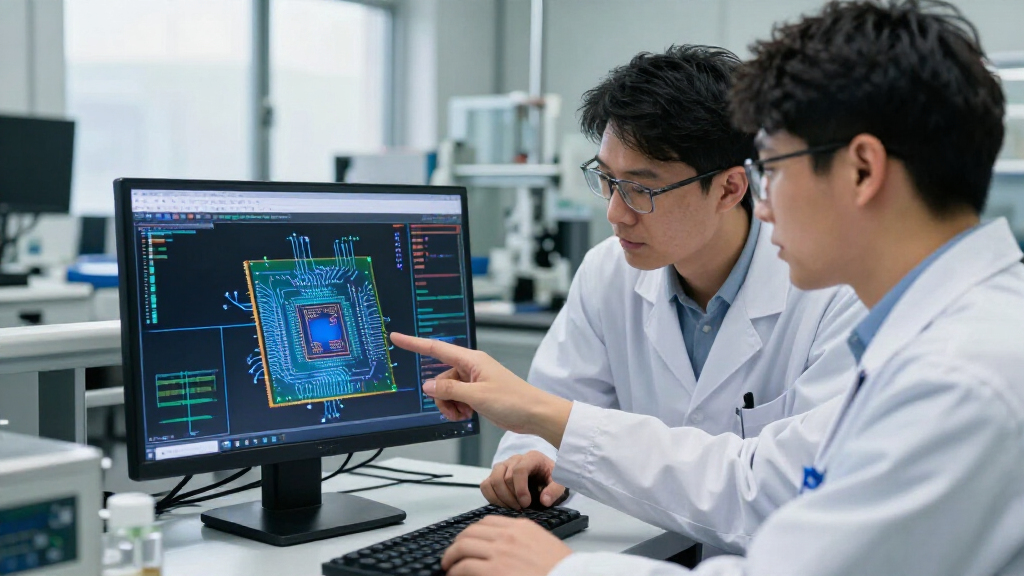
IdeaNavigator AI describes a reported AMD acquisition of Taalas aimed at improving AI inference by encoding models in silicon. The supplied material does not independently establish that a deal occurred or provide terms, technical specifications or company confirmation.
IdeaNavigator AI has flagged a report that AMD acquired Taalas to improve AI inference by encoding models in silicon. The information provided does not include an announcement from either company, deal terms or technical evidence, so the acquisition and its stated rationale remain unverified here.
The development is presented as a possible change in how AI models are run: instead of relying solely on general-purpose processors to execute model calculations, a system could have some model operations implemented directly in specialized silicon. The brief describes this as “etching models in silicon” and links the approach to improved inference performance. It does not explain which models, chips or workloads would be involved.
IdeaNavigator AI says the item surfaced on Hacker News with an 88/100 signal. That score is a signal-monitor rating reported by the brief; its scale, methodology and comparison baseline are not supplied. It is not confirmation of the acquisition or a measure of performance. The brief also does not identify an original announcement or provide a link to company statements.
No purchase price, transaction date, leadership details, product roadmap, benchmark results or customer plans are included. The available account therefore supports reporting that a claim about an AMD–Taalas deal and silicon-based inference was flagged, but not that the acquisition has been confirmed or that any performance gain has been demonstrated.
AMD, Taalas and silicon-etched AI
A reported acquisition links AMD and Taalas to a possible new approach to AI inference. The supplied information does not confirm the deal or demonstrate performance gains.
What the report claims
IdeaNavigator AI flagged a report that AMD acquired Taalas to improve AI inference using specialized silicon.
- AMD acquired Taalas
- Silicon-etched models could improve inference
- The brief flagged the report
- Deal and performance remain unverified
Why inference hardware matters
Inference is the process of running a trained model to produce outputs.
Purpose-built computation
Specialized silicon could affect speed, energy use or operating costs. No results are provided for this case.
No change warranted yet
The available details give AI operations teams no established reason to change tools or deployment plans.
Evidence still needed
The supplied brief has no company announcement or technical measurements.
Look for statements from AMD or Taalas, including status, timing and terms.
Find out what is encoded in hardware, which models are supported and what products are planned.
Look for benchmark details on models, workloads, hardware, power, throughput, latency and cost.
Why Silicon-Based Inference Matters
If the reported approach is accurate, it could matter because inference—the process of running a trained model to produce outputs—is a recurring cost and performance consideration for companies deploying AI. Purpose-built hardware can be designed around particular computations, potentially affecting speed, energy use or operating costs. Those are possible outcomes, not established results in this case: the supplied material includes no benchmark, pricing or power data.
For an operations lead introducing AI tools to a small team, the immediate relevance is practical rather than a reason to change vendors. Hardware developments may eventually affect which AI services are available, how quickly they respond and what it costs to use them. Until product details and independent measurements emerge, teams cannot tell whether this reported deal would alter their existing tool choices or deployment plans.
The item also illustrates a monitoring problem for smaller organizations: technology claims can surface in community feeds before readers have enough information to make a decision. A useful briefing should distinguish a reported development from a confirmed transaction, and a stated technical goal from a measured result. That distinction helps prevent a headline about potential capability from being treated as evidence that an operational change is already warranted.
Products Worth Considering

Apple Mac mini Desktop Computer with M5 Pro Chip (2026)

Apple MacBook Neo 13-inch Laptop with A18 Pro Chip, 8GB Memory, 256GB SSD, Liquid Retina Display, and 1080p Camera – Blush

Apple MacBook Air 15-inch Laptop with M5 Chip, 16GB Memory, 512GB SSD, Midnight
As an affiliate, we earn on qualifying purchases.
The Report and Its Evidence
The supplied brief is framed as an idea for an AI operations signal monitor, not as a corporate filing or a technical report. It proposes tracking Hacker News and similar feeds, filtering developments for operations leads rolling out AI to small teams, and converting relevant items into short summaries of what changed, why it matters and what to do.
Within that proposal, the AMD–Taalas item serves as an example of a potentially relevant AI capability shift. The brief says a role-filtered update may be more useful than waiting for a generic weekly roundup, but it provides no evidence that the reported acquisition itself has been confirmed. Nor does it supply a prior timeline, announcement history or independent reporting that would establish how the companies’ work has developed.
The proposed validation is to hand-deliver this brief and two other AI capability or policy items to five people matching the target role, then observe whether anyone changes a decision or forwards an item. That is a suggested test of the monitoring product’s usefulness, not research showing that the acquisition is real or that silicon-etched models are ready for deployment.
Deal and Performance Remain Unverified
The central uncertainty is whether AMD acquired Taalas. The material does not include confirmation from AMD or Taalas, a filing, a transaction announcement or terms. It is also unclear when the reported event took place and what the original reporting relied on.
The technical description is similarly incomplete. There is no explanation of what “etching” entails in this case, whether the model itself or selected operations would be represented in hardware, which model families are supported, or how a system could be updated as models change. The claimed aim of boosting inference performance is not accompanied by benchmarks, test conditions or comparisons with existing hardware.
It is also unknown whether any technology or product is available, whether customers are involved, or how such a design might affect cost, energy use, reliability and flexibility. Until company statements and technical evidence are available, these points should be treated as open questions rather than established effects.
Confirmation and Benchmarks to Watch
The next useful evidence would be direct confirmation from AMD or Taalas, including the transaction’s status, timing and terms. If the deal is confirmed, company information about the technology, intended products and development schedule could clarify what the acquisition is meant to enable. None of those next steps is specified in the supplied brief.
For claims about faster inference, readers would need published or independently assessed benchmarks that identify the models, hardware, workloads and comparison systems tested. Measurements of power consumption, throughput, latency and operating cost would help show whether the design has practical advantages and for which uses. Until such details appear, organizations should treat the report as a development to monitor, not as evidence that they need to alter current AI deployments.
IdeaNavigator AI’s proposed monitor would test whether role-specific briefings help operations leads act on technology news: it suggests delivering three items to five people and tracking decisions or forwards. That would measure interest in the briefing format. It would not settle the acquisition or technical questions, which require company confirmation and evidence about the hardware.
Source: IdeaNavigator AI
Key Questions
Has AMD confirmed that it acquired Taalas?
Not in the information provided. The brief describes a reported acquisition, but includes no statement from AMD or Taalas and no transaction filing or terms.
What does “etching models in silicon” mean?
The phrase is used to describe implementing model computations directly in specialized hardware. The brief does not explain the specific design or whether entire models or selected operations would be encoded in silicon.
Is there evidence that the approach makes AI inference faster?
The report presents improved inference performance as the goal, but provides no benchmarks or test results. The size and practical value of any performance gain are unknown.
What should AI operations teams do now?
Based on the details available, teams can monitor for company confirmation and technical evidence. The brief does not establish a reason to change existing tools or deployment plans.
Source: IdeaNavigator AI