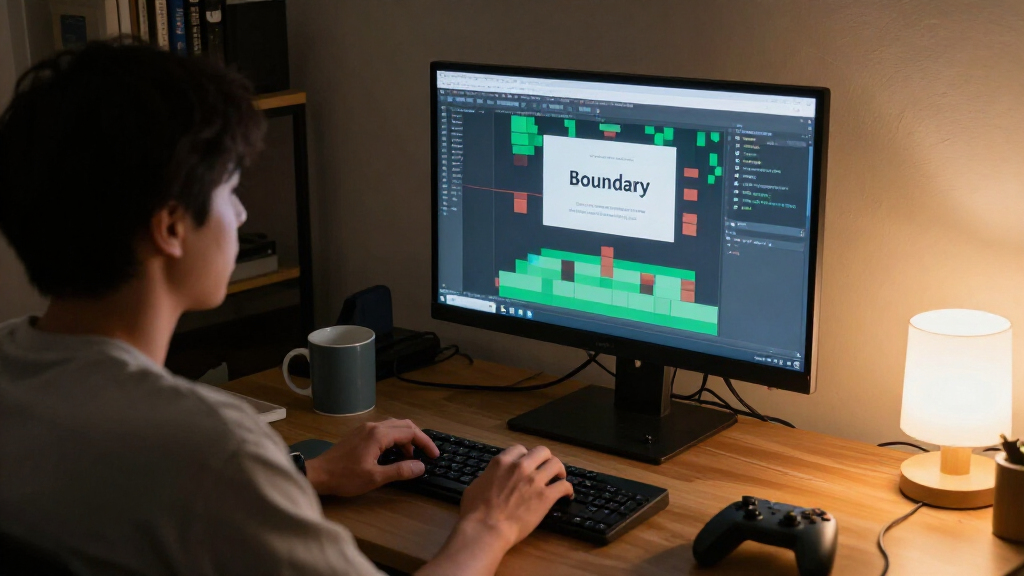

🔍 Read the full analysis: Why AI Game Recreation Requests Meet A New Boundary In Claude Code on ThorstenMeyerAI.com

Get smart everyday buys delivered free with Prime
- Fast, free delivery on millions of items
- Prime Video, Amazon Music and more included
- Member-only deals all year
TL;DR
Anthropic added a game-specific instruction to Claude Code: build original games, genre games and projects based on users’ own designs, but do not recreate a specific existing game. The company says the change applies its existing ban on intellectual-property infringement; how the instruction handles permission and licensed work remains unclear.
Anthropic has added a game-specific restriction to Claude Code, telling the coding assistant not to recreate a particular existing game, even if the project is renamed or described as original. The company says the instruction applies its existing policy against intellectual-property infringement, while still permitting original games, genre-based projects and games built from a user’s own designs and assets.
The instruction says: “Do build original games, games in a genre, and games from the user’s own designs and assets. Don’t build a recreation of a specific existing game, even if it is renamed or called original.” XDA reported finding it in Claude Code 2.1.314. The source report says it also found the same wording in version 2.1.316, but not in 2.1.312. Anthropic confirmed the change on October 30.
An Anthropic spokesperson referred Game Developer to a statement from Addy Osmani, a member of the company’s technical staff. Osmani said the wording is intended to steer Claude Code away from recreating someone else’s specific game because using Claude to infringe intellectual property violates Anthropic’s usage policy. That policy already prohibited intellectual-property infringement; the new step is a specific instruction about game recreation within the coding tool.
The change follows a month of attention around AI-generated game projects. In late September, a creator posted a browser game set in New York that resembled Fallout and described it as including quests, dialogue trees, V.A.T.S. and a working Pip-Boy. Kotaku reported the post drew more than 3.5 million views. The creator later said they received a cease-and-desist letter from Bethesda and abandoned the project; the source report says the letter was shown as a screenshot.
Infographic 01 · Claude Code, 27–31 October 2026
Two sentences, no off switch.
The exact wording in the Claude Code program, which versions carry it, and how it became public. Times in UTC.
“Do build original games, games in a genre, and games from the user’s own designs and assets.”
“Don’t build a recreation of a specific existing game, even if it is renamed or called original.”
- 2.1.31227 Oct · text not in the program
- 2.1.31430 Oct, 00:12 UTC · text in the program
- 2.1.31631 Oct · text still in the program
- ~ 27 OctRule delivered from Anthropic’s serversReportedFlag “tengu_heron_brook”; “no setting to turn it off”, per Chasm
- 30 Oct · 00:12Claude Code 2.1.314 publishedVerifiedXDA and our own check find the two sentences in the program
- 30 Oct · 07:01The rule goes public on XXChasm posts the full text
- 30 Oct · 09:25First complaint on GitHubGitHubA board-wargame studio reports refused client work
- 30 Oct · eveningAnthropic confirmsAnthropicVia a spokesperson to Game Developer, pointing to Addy Osmani’s statement
Sources: own check of the Claude Code 2.1.312, 2.1.314 and 2.1.316 program files (31 Oct 2026); npm version dates; Chasm on X, 30 Oct; XDA, 30 Oct 2026; GitHub issue #106167; Game Developer, 30 Oct 2026 (with Anthropic’s confirmation).
Powered by Thorsten Meyer AI
A New Check on Game Clones
For developers using AI coding tools, the instruction makes a previously general policy more concrete: a request to reproduce a named game is now meant to trigger a refusal, while a request for a broad genre or a project based on the user’s own materials remains within the stated allowance. That creates a practical boundary at the prompt stage, before a developer has built or published a clone.
The distinction matters to studios and publishers because game projects can reproduce recognizable presentation and content even when no original code is copied. It also affects legitimate work: the source report describes a developer who makes digital versions of board wargames for clients who own those games and says Claude Code has refused paid tasks. Anthropic has not yet answered that developer’s GitHub issue, so it is not clear how the tool will treat licensed projects or other cases involving permission.
The instruction is not itself a legal ruling. It tells users how Anthropic’s tool is intended to respond, and its wording may shape what work can be done through Claude Code. Whether a particular game project infringes copyright depends on facts and applicable law, not only on how a request is phrased.
Products Worth Considering

HP Sprocket Photo Booth Machine Instant Color Photo Printer with 10.1 Touchscreen, LED Ring Light, 250+ Frames, 3×4 ZINK Paper, QR Code Shar

Dell UltraSharp 32 U3226QER 4K Thunderbolt Hub Monitor

Apple Mac mini (2026) with M5 Pro chip and 3-year AppleCare+
As an affiliate, we earn on qualifying purchases.
The timing follows a run of visible AI game recreations and related concerns. In early October, Kotaku reported that browser ports of Halo, Grand Theft Auto: Vice City and The Simpsons: Hit & Run were circulating online. Later that month, the makers of Moonlighter moved a public playtest of their upcoming game ReVamp to Discord, with Game Developer reporting the studio’s concern that a large public build posed too much risk before launch. Publisher Alliance Arts also canceled a public demo, according to Aftermath.
Those decisions do not establish that AI tools caused either studio’s action. They show that concerns about public access to game builds were being discussed alongside the spread of AI-created projects. Separately, users reported Claude interrupting some reverse-engineering tasks with a safety-check message in October. The source report distinguishes those reports from the new game-specific wording and says the interruptions appeared related to separate safety classifiers.
Copyright law and Anthropic’s rule are related but not identical. The source report describes U.S. copyright as protecting a game’s expressive elements, such as its visual and audio presentation, rather than the general idea or rules. It also cites a 2012 U.S. court decision finding a Tetris clone infringing despite its not copying code. OpenAI’s and Google’s usage policies prohibit intellectual-property infringement in general, but the report found no comparable game-specific instruction from either company as of October 31, 2026.
“The wording steers Claude Code away from recreating someone else’s specific game because using Claude to infringe IP is against our usage policy.”
— Anthropic technical staff member Addy Osmani, as quoted in a statement referred to Game Developer
Permission and Refusal Boundaries
Anthropic’s instruction does not spell out how Claude Code should handle licensed recreations, client-owned games or other authorized uses. The source report says a developer who creates digital versions of board wargames for clients with ownership rights has reported refusals, but Anthropic had not responded to the related GitHub issue at the time of publication.
It is also not clear how the assistant will distinguish a broad genre request from a project that reproduces a particular game’s protected elements. Anthropic has not named a lawsuit or publisher complaint as the trigger for the change. The source report says an explanation that the company was “catching some heat” was speculation, not a confirmed account of why the rule was added.
How Anthropic Applies the Rule
The immediate next test is how Claude Code handles real requests, especially projects where the user claims to have permission or supplies their own designs and assets. Anthropic’s response to the GitHub issue, or further guidance about licensed work, could clarify how the instruction operates in those cases.
For now, the confirmed boundary is the wording in Claude Code: the tool is instructed to assist with original and genre-based games, but not to recreate a specific existing game under a new label. The source report does not identify a further rollout date or a planned change to the broader usage policy.
Key Questions
What changed in Claude Code?
Anthropic added an instruction telling Claude Code to help build original games, genre games and projects based on users’ own designs, but not to recreate a specific existing game, even under a different name.
Can Claude Code still help make a game in a familiar genre?
Yes. The instruction expressly allows games “in a genre.” It also allows games based on the user’s own designs and assets. It bars recreating a specific existing game.
Did a Bethesda complaint cause the change?
Anthropic has not said that a Bethesda complaint or lawsuit triggered the instruction. The source report says the company explained the rule as an application of its existing policy against intellectual-property infringement.
Does the instruction prevent all game copyright disputes?
No. It is a tool-use instruction, not a legal decision. Whether a project infringes copyright depends on the project and applicable law. Anthropic’s wording also does not explain how the tool will handle every licensed or authorized recreation.
Source: ThorstenMeyerAI.com