

📊 Full opportunity report: AI In 2026: 13 Trends That Will Shape The Future on ThorstenMeyerAI.com — validation score, market gap, and execution plan.

Get smart everyday buys delivered free with Prime
- Fast, free delivery on millions of items
- Prime Video, Amazon Music and more included
- Member-only deals all year
TL;DR
In 2026, 13 major AI trends are emerging that will reshape multiple sectors, including advancements in generative AI, ethical frameworks, and industry-specific applications. Experts confirm these developments, which highlight AI’s growing role in society.
Thirteen AI trends expected to define 2026 have been identified by industry experts, highlighting rapid technological advancements, increased regulation, and expanding applications across sectors. These developments are confirmed by recent industry reports and expert analyses, emphasizing AI’s growing influence on society and business.
Industry analysts and AI researchers have outlined 13 key trends that are set to shape the AI landscape in 2026. These include the maturation of generative AI models, greater emphasis on ethical AI frameworks, and the integration of AI into critical infrastructure.
Experts from organizations like OpenAI, Google DeepMind, and academic institutions confirm that AI’s capabilities will continue to expand, with increased deployment in healthcare, finance, and autonomous systems. Notably, advancements in multimodal AI—combining text, images, and video—are expected to become mainstream, enhancing user experiences and automation.
Additionally, regulatory bodies worldwide are moving toward stricter AI governance, with confirmed policies aimed at transparency, safety, and fairness. These measures aim to mitigate risks associated with AI misuse and bias, although specifics are still being finalized in many jurisdictions.
The 13 picks
- 1
 Jackery HomePower 3600 Plus Portable Power Station, 3600W AC Output, 3584Wh L…View on Amazon →
 - 2
 EF ECOFLOW DELTA 3 Max Portable Power Station, 2048Wh LFP Battery, 2400W / 34…View on Amazon →
 - 3
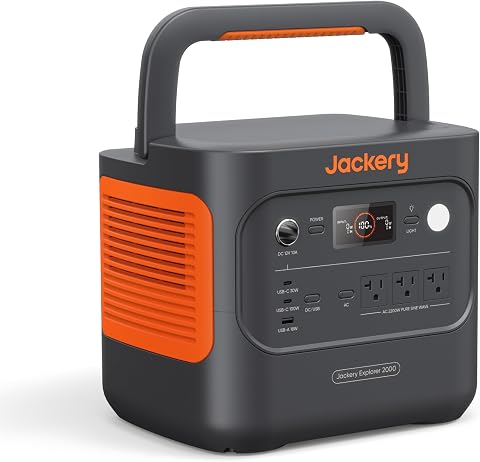 Jackery Explorer 2000 v2 Portable Power Station, 2042Wh, 2200W AC Output, LiF…View on Amazon →
 - 4
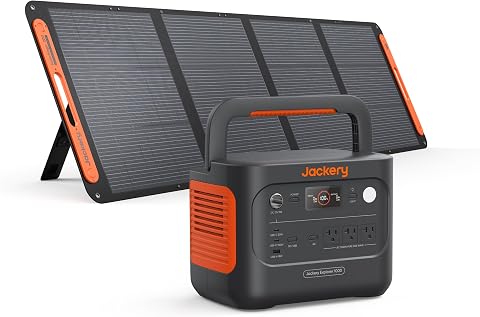 Jackery Solar Generator 1000 V2 with 200W Solar Panel, 1070Wh, 1500W AC, Fast…View on Amazon →
 - 5
 Anker SOLIX C1000 Gen 2 Portable Power Station, 1024Wh, 2000W, Camping, Emerg…View on Amazon →
 - 6
 Jackery Explorer 1000 v2 Portable Power Station, 1070Wh, 1500WView on Amazon →
 - 7
 Jackery Explorer 300 Portable Power Station, 292Wh, LiFePO4 Battery, Solar Ge…View on Amazon →
 - 8
 EF ECOFLOW Portable Power Station Delta 3 Classic, 1024Wh, 1800W AC, LiFePO4…View on Amazon →
 - 9
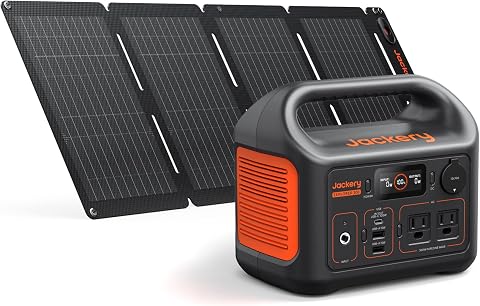 Jackery Solar Generator 300 with 40W Solar Panel, 292Wh, 300W AC OutputView on Amazon →
 - 10
 BLUETTI Elite 30 V2 Portable Power Station 288Wh 600W LFP Solar GeneratorView on Amazon →
 - 11
 Portable Power Station 300W, 192Wh LiFePO4 Battery Solar Generator with Carry…View on Amazon →
 - 12
 EnginStar Portable Power Station 300W 296Wh Battery Bank with 110V Pure Sine…View on Amazon →
 - 13
 HOWEASY Portable Power Station, 88Wh Solar Generator with 120W Peak OutputView on Amazon →
Implications of 2026 AI Trends for Society and Industry
The confirmed emergence of these 13 AI trends in 2026 underscores AI’s increasing role in everyday life, business operations, and policy. Their development could lead to significant productivity gains, new economic opportunities, and improved quality of life. However, they also pose challenges related to ethics, security, and employment, making understanding these trends crucial for stakeholders across sectors.
Background on AI Development and Future Projections
Over the past decade, AI has evolved from narrow applications to more general and multimodal systems. Major breakthroughs in natural language processing, computer vision, and reinforcement learning have driven rapid growth. Industry leaders have consistently predicted that by 2026, AI will become more integrated, autonomous, and ethically governed, though the exact trajectory remains uncertain due to regulatory and technical hurdles.
Recent industry reports and expert panels have identified these 13 trends as the most likely to materialize, based on current investments, research breakthroughs, and policy developments.
Unconfirmed Aspects of AI Evolution in 2026
While these 13 trends are widely predicted, specific timelines, regulatory frameworks, and technological breakthroughs remain uncertain. The pace of adoption, potential unforeseen challenges, and geopolitical factors could influence how these trends unfold in 2026.
Next Steps for Stakeholders as AI Trends Emerge
Stakeholders should monitor policy developments, invest in ethical AI research, and prepare for workforce shifts driven by automation. Industry players are likely to accelerate deployment of multimodal and autonomous AI systems, while regulators work to establish comprehensive frameworks. Continued research and international cooperation will be vital to navigating the evolving AI landscape.
Key Questions
What are the most impactful AI trends expected in 2026?
Key trends include the maturation of generative and multimodal AI, increased regulatory oversight, and wider adoption in sectors like healthcare, finance, and autonomous systems.
How will AI regulation change by 2026?
Regulators worldwide are expected to implement stricter policies focused on transparency, safety, and fairness, although specific regulations are still being finalized.
What sectors will benefit most from AI advancements in 2026?
Healthcare, finance, autonomous vehicles, and customer service are among the sectors poised for significant gains from AI innovations.
Are there risks associated with these AI trends?
Yes, risks include ethical concerns, job displacement, security vulnerabilities, and potential misuse, emphasizing the need for responsible development and regulation.
When can we expect these AI trends to fully mature?
While some trends may mature within the next few years, the full integration and impact of these developments are likely to unfold gradually through 2026 and beyond.
Source: ThorstenMeyerAI.com
Halloween Picks
halloween
As an affiliate, we earn on qualifying purchases.