
TL;DR
A B2B SaaS company is testing a self-qualifying chat widget designed to automate lead qualification. This development could significantly cut manual effort and improve lead conversion rates.
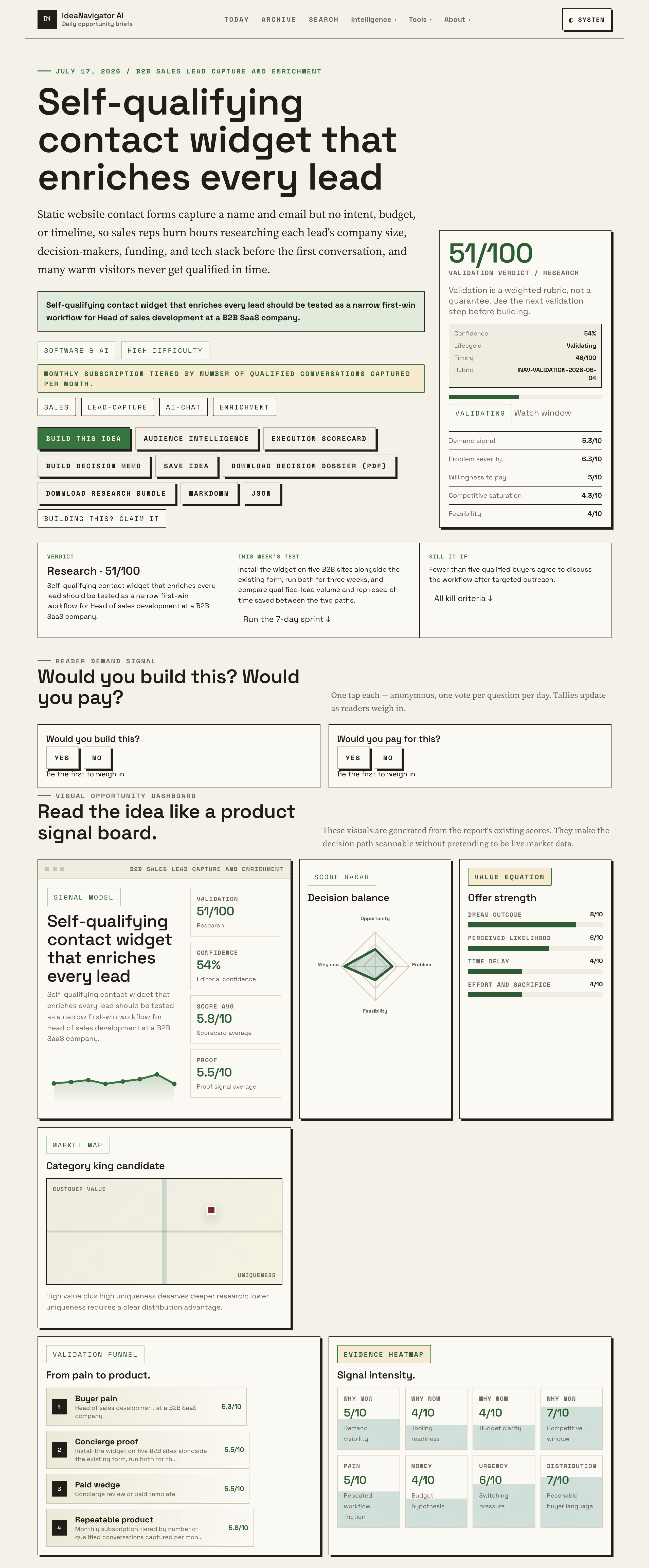
A B2B SaaS company is piloting a self-qualifying chat widget that automates lead qualification processes, aiming to reduce the manual effort sales teams spend researching inbound leads. This initiative responds to the increasing demand for instant engagement and the limitations of static website contact forms, which often lack detailed lead information.

Get smart everyday buys delivered free with Prime
- Fast, free delivery on millions of items
- Prime Video, Amazon Music and more included
- Member-only deals all year
The new chat widget replaces traditional contact forms with an interactive conversation that gathers information on visitor intent, budget, and timeline. It also enriches background data such as company size and recent funding, then summarizes this information for the sales team. The widget is designed to be integrated via a single script tag, making deployment straightforward.
According to sources familiar with the project, the company plans to test the widget on five B2B websites alongside existing forms over a three-week period. The goal is to compare the volume of qualified leads and the time sales reps spend on research before engaging with prospects. The subscription-based model for the widget charges tiered fees based on the number of qualified conversations captured monthly.
Impact on B2B Sales Lead Qualification Processes
This development could significantly reduce manual research efforts for sales teams, enabling faster follow-up and potentially increasing conversion rates. Automating lead qualification aligns with buyer expectations for instant interaction, which may lead to improved customer experience and higher engagement. If successful, this approach could set a new standard for lead capture in the B2B SaaS industry, reducing operational costs and increasing efficiency for sales teams.
Products Worth Considering

FLEXISPOT Hako G2 Queen Bed Frame with Headboard, Solid Rubberwood, Tool-Free Japanese Joinery

Logitech MX Mechanical Mini for Mac Wireless Keyboard, Space Gray

Dell SE2726HG 27-Inch FHD 240Hz Gaming Monitor
As an affiliate, we earn on qualifying purchases.
Current Challenges in B2B Lead Capture and Qualification
Traditional static contact forms often fail to capture critical information such as buyer intent, decision timeline, and funding status, forcing sales reps to spend hours researching each lead manually. This process delays engagement and can result in lost opportunities, especially as buyers increasingly expect immediate responses. Conversational AI tools have become more affordable and reliable, offering a promising solution to automate and streamline this process.
Previous efforts to improve lead qualification relied on manual research or basic forms, but these methods are increasingly inadequate in a competitive market. The new widget aims to address these gaps by providing instant, enriched lead data directly from the visitor interaction.
“Automating lead qualification with conversational AI can drastically reduce the time sales teams spend on manual research, enabling faster engagement with high-quality prospects.”
— an anonymous researcher
Uncertainties About Effectiveness and Adoption
It is still unclear how well the widget will perform across different industries and website configurations. The testing phase will provide initial data, but broader adoption and long-term effectiveness remain to be seen. Additionally, questions about integration complexity, visitor acceptance, and data accuracy are still unresolved.
Next Steps for Validation and Broader Rollout
The company plans to complete the three-week testing period, analyze the results, and compare qualified lead volume and sales team research time against traditional forms. If the results are positive, a broader rollout and potential integration with other sales automation tools are expected. Further enhancements, such as more sophisticated AI-driven qualification questions, may also be developed based on initial feedback.
Key Questions
How does the chat widget differ from traditional contact forms?
The chat widget actively engages visitors with conversational questions about their intent, budget, and timeline, then enriches this data with background company information, providing a more complete lead profile than static forms.
What are the main benefits of using this automated qualification tool?
It reduces manual research efforts, speeds up lead follow-up, improves data accuracy, and enhances the overall customer experience by providing instant engagement.
Will this technology work for all B2B industries?
Its effectiveness may vary depending on industry specifics and website setup. The current testing phase aims to evaluate its performance across different contexts before broader deployment.
What are the costs involved for companies adopting this widget?
The service is offered on a tiered subscription basis, charging according to the number of qualified conversations captured each month.
When can companies expect to see wider availability?
If initial tests are successful, the company plans to expand the rollout within the next few months, with potential integrations into existing sales tools.
Source: IdeaNavigator AI