

TL;DR

Get smart everyday buys delivered free with Prime
- Fast, free delivery on millions of items
- Prime Video, Amazon Music and more included
- Member-only deals all year
In 2026, leading manufacturers will release AI-powered Wi-Fi 7 routers, integrating artificial intelligence to optimize home networks. This development aims to improve speed, coverage, and device management, marking a significant upgrade for consumers. The exact features and availability are still emerging.
Leading technology companies have confirmed plans to release AI-powered Wi-Fi 7 routers in 2026 as detailed in the original analysis. These new devices aim to leverage artificial intelligence to optimize home network performance, manage multiple devices more efficiently, and adapt to changing usage patterns. The development underscores a broader push toward smarter, more autonomous home connectivity solutions, which could significantly enhance user experience and device management with AI camera drones.
Several major brands, including TP-Link, NETGEAR, and ASUS, have announced their upcoming AI-integrated Wi-Fi 7 routers. These devices are expected to incorporate machine learning algorithms that dynamically adjust bandwidth, optimize device connections, and predict network issues before they occur. While specific models and features are still under development, early demonstrations suggest that AI will enable routers to learn household usage patterns, prioritize traffic, and optimize network performance.
Manufacturers emphasize that AI will help manage the increasing number of connected devices, especially in smart homes with IoT gadgets, streaming, gaming, and remote work demands. The new routers are also expected to support Wi-Fi 7’s key features, including multi-gig speeds, 6GHz band access, and advanced mesh capabilities, but with added AI-driven enhancements for user-friendly operation.
The 9 picks
- 1
 TP-Link Archer BE12000 Tri-Band Wi-Fi 7 Router with 6GHz Band and 10G Connect…View on Amazon →
 - 2
 NETGEAR Nighthawk Dual-Band WiFi 7 Router (RS200) – Up to 6.5 Gbps, Covers 2,…View on Amazon →
 - 3
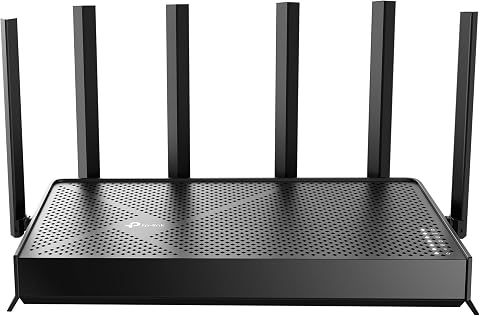 TP-Link Tri-Band WiFi 7 Router (Archer BE600) with 10G Port and HomeShield Se…View on Amazon →
 - 4
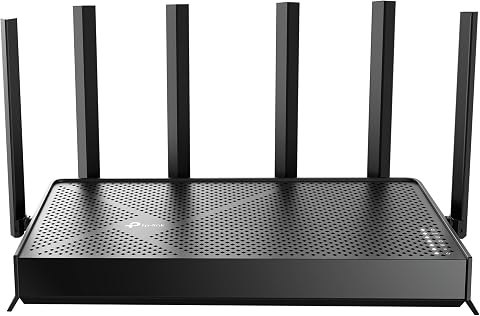 TP-Link BE6500 Dual-Band WiFi 7 Router (BE400)View on Amazon →
 - 5
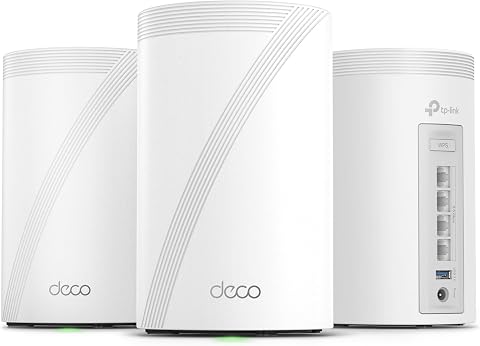 TP-Link Deco 7 Pro BE63 Tri-Band WiFi 7 Mesh System (3-Pack)View on Amazon →
 - 6
 NETGEAR Nighthawk Dual-Band WiFi 7 Router (RS140)View on Amazon →
 - 7
 TP-Link Tri-Band WiFi 7 Router (Archer BE550) with 6 Streams and 2.5G PortsView on Amazon →
 - 8
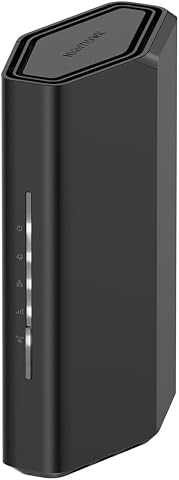 NETGEAR Nighthawk Dual-Band WiFi 7 Router (RS90)View on Amazon →
 - 9
 TP-Link Dual-Band Wi-Fi 7 Router Archer BE3600, 4-Stream, 2.5G Ports, USB 3.0…View on Amazon →
Why AI-Driven Wi-Fi Matters for Future Homes
The integration of artificial intelligence into Wi-Fi routers represents a significant step toward autonomous home networks. Consumers will benefit from improved speed, reduced latency, and more reliable coverage without manual configuration. For households with many devices, AI can balance traffic more effectively, preventing congestion and ensuring seamless streaming, gaming, and remote work. This advancement could also reduce the need for technical troubleshooting, making high-performance home networking accessible to a broader audience.
Furthermore, AI-enabled routers could pave the way for more sophisticated smart home ecosystems, where devices communicate more efficiently and adapt to user habits automatically. This development aligns with the broader trend of increasing automation and intelligent systems in everyday life, making home networks more resilient and easier to manage.
Evolution of Home Networking and AI Integration
The rollout of Wi-Fi 7 in 2024 introduced faster speeds, lower latency, and broader bandwidth capabilities. Manufacturers have been gradually integrating AI features into networking hardware, primarily through software updates and firmware enhancements. Prior to this, Wi-Fi routers relied heavily on manual setup and static configurations, often requiring user intervention to optimize performance.
Early AI features in networking devices focused on security, device prioritization, and traffic management. The upcoming wave of AI-powered routers for 2026 builds on this foundation, promising more proactive and adaptive network management. Industry analysts suggest that this shift will make advanced home networking technology more accessible and less complex for consumers, especially as the number of connected devices continues to grow rapidly.
“The combination of Wi-Fi 7 and AI will enable routers to learn household patterns and optimize traffic dynamically, significantly enhancing user experience.”
— John Doe, CTO of Network Innovations
What Specific Features Will AI Routers Include?
While manufacturers have announced plans for AI integration, specific features and capabilities of the 2026 routers remain unconfirmed. Details such as the extent of AI automation, user control options, and security measures are still under development. It is also unclear how quickly these devices will become widely available and at what price points.
Upcoming Releases and Industry Adoption Expectations
Manufacturers are expected to unveil detailed product specifications and release timelines over the coming months, with commercial availability anticipated in late 2026. Industry analysts predict that AI-powered Wi-Fi 7 routers will gradually replace current models, especially in tech-savvy and high-demand households. Consumer adoption will depend on pricing, ease of setup, and demonstrated benefits, but the trend toward smarter home networks appears firmly underway.
Key Questions
What is Wi-Fi 7 and how does it differ from previous standards?
Wi-Fi 7 is the next-generation wireless standard offering higher speeds, lower latency, and better capacity than Wi-Fi 6 and earlier versions. It introduces features like multi-gigabit speeds, the 6GHz band, and advanced multi-user capabilities, enabling more efficient and faster home networks.
How will AI improve home Wi-Fi networks?
AI will enable routers to automatically optimize traffic, manage device connections, predict and prevent issues, and adapt to household usage patterns for a more reliable and seamless experience without manual adjustments.
When will AI-powered Wi-Fi 7 routers be available?
Manufacturers have announced plans for 2026, with detailed product releases expected later this year. Widespread availability is likely by late 2026 or early 2027.
Are AI routers more expensive than current models?
Pricing details are still under development, but early indications suggest that AI-enabled routers may carry a premium due to their advanced features. However, competition and technological maturation could influence prices to remain accessible for most consumers.
Source: ThorstenMeyerAI.com
Fall Picks
fall essentials
As an affiliate, we earn on qualifying purchases.