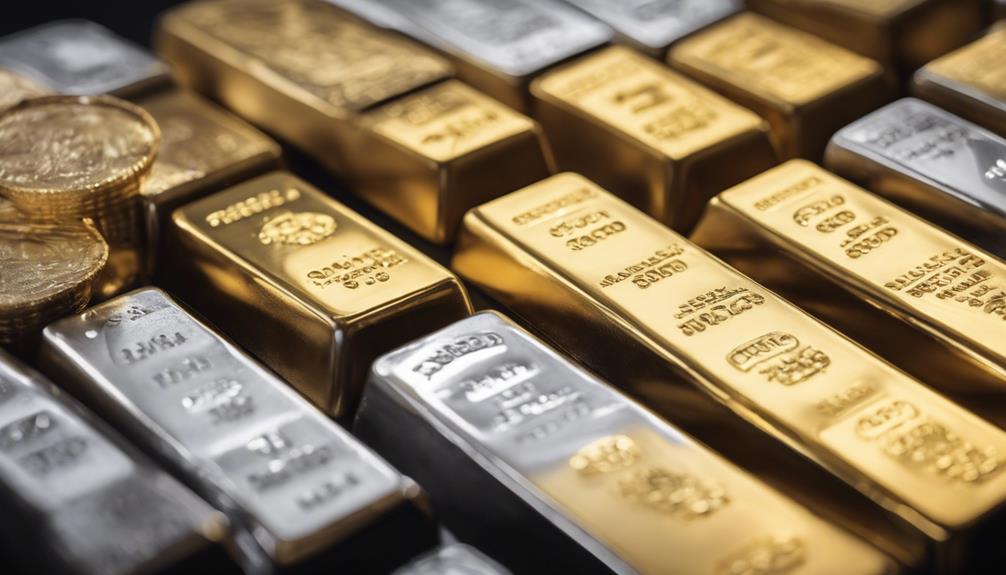

To verify precious metals without damage, start by inspecting the surface for hallmarks or stamps indicating purity. Use a magnet to check if the item is non-magnetic—gold and silver aren’t attracted to magnets. For more accuracy, a portable X-ray fluorescence (XRF) analyzer can confirm the metal’s composition without harming it. Combining these methods gives you a reliable assessment, and if you keep exploring, you’ll find even more ways to verify authenticity effectively.

Get smart everyday buys delivered free with Prime
- Fast, free delivery on millions of items
- Prime Video, Amazon Music and more included
- Member-only deals all year
Key Takeaways
- Conduct a visual inspection for hallmarks, stamps, and signs of wear or discoloration.
- Use a magnet test; non-magnetic metals like gold and silver are less likely to be fake.
- Employ a portable XRF analyzer for accurate, non-destructive composition analysis.
- Utilize ultrasonic testing to examine internal structure and detect hidden flaws.
- Combine multiple methods for reliable verification without damaging the precious metal.
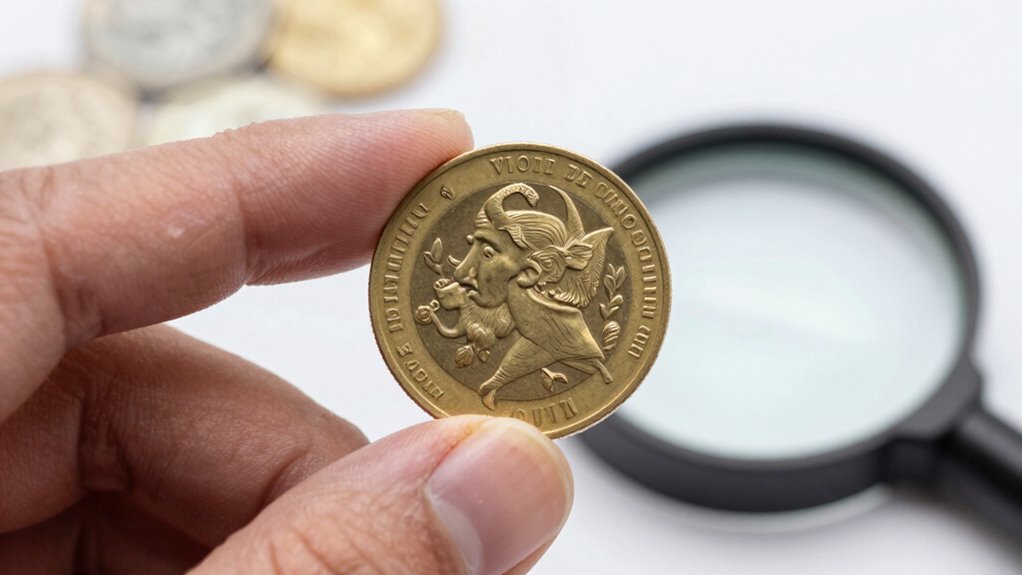
Verifying the authenticity of precious metals without causing damage is essential for collectors, investors, and sellers alike. You want to be sure that what you hold or sell is genuine, but damaging the item isn’t an option. That’s where understanding metal authenticity and the right testing techniques come into play. Thankfully, there are non-invasive methods that help you confirm a metal’s purity without risking harm. These methods are quick, reliable, and preserve the item’s condition, making them perfect for a range of situations.
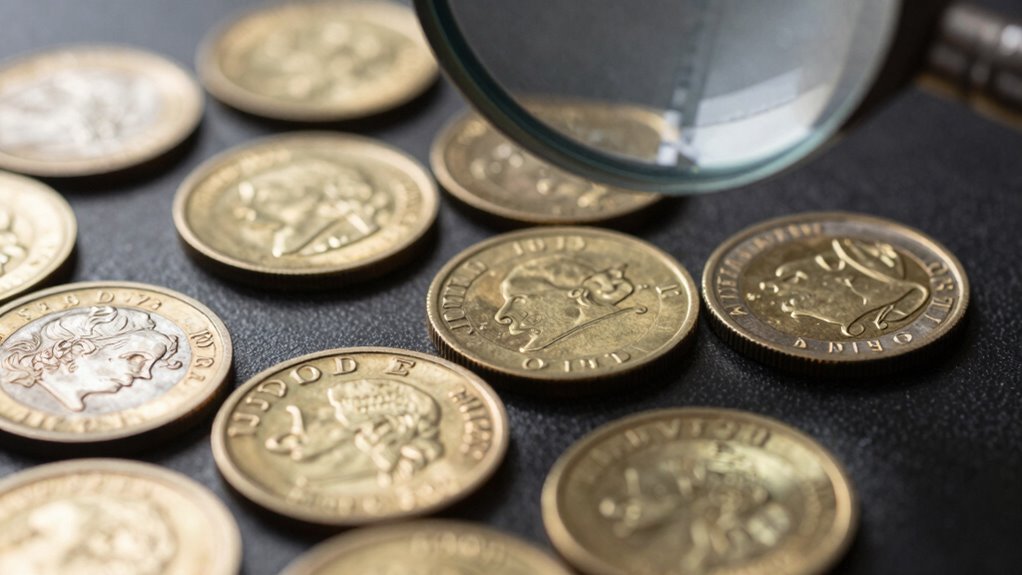
One of the simplest and most accessible testing techniques involves visual inspection. Look closely at the item for hallmarks, stamps, or markings indicating purity, such as “14K,” “18K,” or “999.” Sometimes, these marks can be falsified, but they provide a good starting point. Examine the surface carefully for signs of discoloration or uneven wear, which could suggest that the metal isn’t what it claims to be. Keep in mind, though, that visual cues alone aren’t definitive. They should be combined with other non-destructive tests for a more accurate assessment.
Visual inspection reveals hallmarks and signs of wear, but should be combined with other tests for accurate verification.
Another effective method for metal authenticity is a magnet test. Precious metals like gold and silver aren’t magnetic, so if a magnet strongly attracts your item, it’s likely not genuine or contains a significant amount of base metals. This quick test helps you eliminate obvious fakes without any damage. However, note that some counterfeit items are non-magnetic, so this shouldn’t be your only check. Incorporating non-destructive testing techniques can significantly improve your confidence in the verification process.
For more precise results, you can use a portable X-ray fluorescence (XRF) analyzer. These devices scan the metal’s surface and provide an immediate, highly accurate reading of its composition. The best part? It’s completely non-destructive, so your item remains pristine. While XRF analyzers are often used by professionals, some collectors and jewelers invest in handheld units for regular verification. The data they produce confirms the metal’s purity and helps identify alloys or plated items. Understanding non-destructive testing methods like XRF is crucial for accurate verification without risking damage. Additionally, some advanced testing options incorporate digital technology to enhance reliability and ease of use.
Finally, you might consider employing ultrasonic testing if you need to confirm the internal structure or detect any hidden flaws. This technique uses sound waves to analyze the material’s density and consistency, again without damaging the item. Though more technical, ultrasonic testing offers another layer of confidence in your assessment.
As an affiliate, we earn on qualifying purchases.
Frequently Asked Questions
Can I Verify Precious Metals at Home Safely?
Yes, you can verify precious metals at home safely. Use a magnet to test for authenticity markers—real metals like gold and silver aren’t magnetic. Next, perform a simple acid test with a kit designed for metal purity, following instructions carefully. You can also check for hallmark stamps or serial numbers. These methods help confirm metal purity without causing damage, ensuring your jewelry or bullion is genuine.
What Tools Are Best for Non-Destructive Testing?
You should use electronic testers and spectroscopic analysis for non-destructive testing. For example, a jeweler tested a gold ring with an electronic tester, confirming its purity without scratching or damaging it. These tools quickly analyze the metal’s properties, providing accurate results safely. Spectroscopic analysis, in particular, offers detailed insights without harm, making it ideal for verifying precious metals while preserving their integrity.
How Accurate Are Visual Inspections Alone?
Visual inspections alone can be somewhat accurate but aren’t foolproof. You rely on observing surface markings, color, and texture, but these can be deceptive due to plating or surface treatments. Slight chemical reactions might be visible, yet they don’t confirm purity. For precise verification, combine visual checks with other methods, as relying solely on appearance risks misidentification, especially when surface markings or coatings hide the true metal.
Is It Necessary to Get Professional Certification?
Getting professional certification isn’t always necessary, but it’s highly recommended for accurate authentication. Certification standards ensure that experts follow strict procedures, providing reliable verification. Using advanced authentication methods, like X-ray fluorescence or acid tests, adds confidence and reduces the risk of scams. If you’re uncertain or dealing with high-value items, consulting a certified professional can save you from costly mistakes and guarantee your precious metals are genuine.
How Do Environmental Factors Affect Testing Results?
Environmental factors can dramatically skew your testing accuracy, almost like a storm disrupting a calm sea. Extreme temperatures, humidity, and exposure to chemicals can alter the surface or composition of your precious metals, leading to false readings. Even tiny environmental impacts can throw off your results, making verification unreliable. Always conduct tests in controlled environments to minimize environmental impact and guarantee your results are precise, trustworthy, and reflective of the metal’s true nature.
As an affiliate, we earn on qualifying purchases.
Conclusion
Verifying precious metals without damage is both simple and essential for ensuring authenticity. Remember to use non-invasive methods like magnet tests, acid tests, or X-ray fluorescence analysis. Did you know that over 80% of gold jewelry globally is authentic? By mastering these techniques, you safeguard your investments and enjoy peace of mind. Keep practicing, stay informed, and you’ll confidently identify genuine metals every time.
As an affiliate, we earn on qualifying purchases.
gold and silver hallmarks inspection
As an affiliate, we earn on qualifying purchases.
As an affiliate, we earn on qualifying purchases.
Fall Picks
fall essentials
As an affiliate, we earn on qualifying purchases.