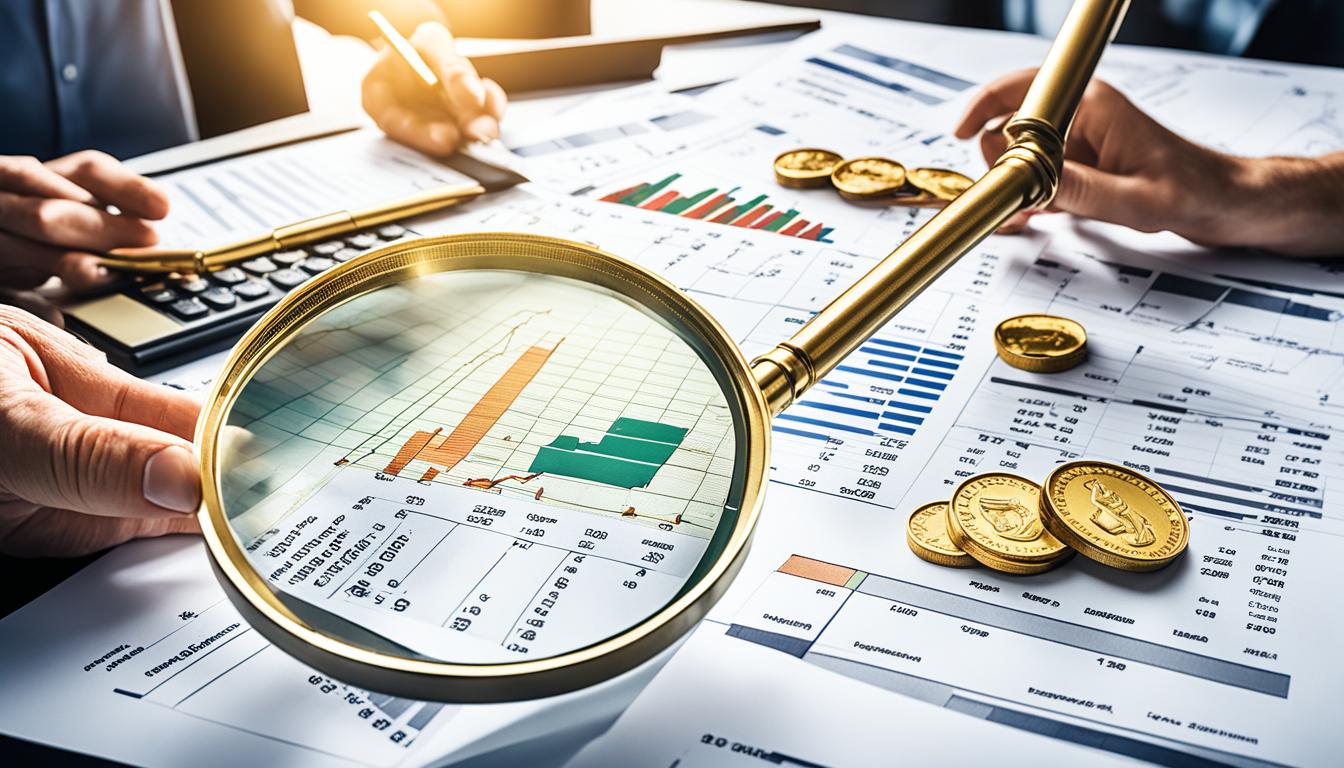

You should consider allocating 5-10% of your portfolio to precious metals if you’re a conservative investor, while moderate investors might aim for 10-15%. Aggressive investors may go for 15% or more. A typical strategy blends gold (60%) and silver (40%) for stability and growth. Keep in mind your age and risk tolerance when deciding. Balancing your investments is vital to avoid potential pitfalls. There’s more to explore about optimizing your allocations and strategies.
Key Takeaways
- Conservative investors should allocate 5-10% to precious metals, primarily gold for stability and silver for growth.
- Moderate investors typically invest 10-15%, balancing a 60% gold to 40% silver ratio for stability and growth.
- Aggressive investors may allocate 15-20% or more, adjusting their gold-silver ratio based on market conditions.
- Regular portfolio reviews and rebalancing are essential to maintain alignment with personal risk tolerance and goals.
- Age influences allocation: younger investors (20-35) should focus on 5-10% in metals, while older investors may increase to 10-15%.
Top picks for "much portfolio should"
Open Amazon search results for this keyword.
As an affiliate, we earn on qualifying purchases.
Understanding Precious Metals Allocation
When you think about investing in precious metals, understanding how to allocate your assets effectively is vital. Start by considering your risk tolerance and financial goals. If you’re conservative, a smaller allocation, around 5-10%, might suit you. For moderate investors, aiming for 10-15% can balance growth and safety. Aggressive investors may choose to allocate 15-20% or more, embracing higher volatility for potentially greater returns. It’s essential to diversify not just among metals but also within your portfolio. Combining gold and silver can enhance stability while tapping into silver’s growth potential. Regularly reassess your allocation based on market conditions and personal circumstances to ensure you’re on track with your investment objectives.
Recommended Allocation Ranges by Investor Type

When deciding how to allocate precious metals, it’s important to contemplate your investment style. Conservative investors should aim for 5–10%, while moderate investors can increase that to 10–15%. Aggressive investors might push their allocation to 15–20% or more, seeking higher returns despite the added risk. Additionally, incorporating health benefits of juice cleansing into your lifestyle can support overall wellness and enhance your investment strategy.
Conservative Investor Guidelines
How can conservative investors safeguard their capital while still gaining exposure to precious metals? By allocating 5–10% of your portfolio to precious metals, you can preserve capital without taking on excessive risk. This allocation helps provide a hedge against inflation and market downturns. For a solid foundation, consider keeping 5–9% in gold, which offers long-term stability, while the remaining portion can be in silver for potential growth. Maintaining this balance allows you to benefit from both the reliability of gold and the industrial demand for silver. Remember, conservative strategies focus on protection and gradual growth, making regular rebalancing essential to keep your investments aligned with your risk tolerance and financial goals. Additionally, understanding the importance of protecting delicate skin can help inform your choices in various investment areas.
Moderate Investor Strategies
For moderate investors seeking a balanced approach, allocating 10–15% of your portfolio to precious metals can effectively blend growth potential with safety. This range allows you to benefit from the stability of gold while still capturing the growth opportunities that silver offers. You might consider a ratio of 60% gold to 40% silver**, as this combination leverages gold for long-term security and silver’s industrial demand for higher returns. By sticking to this moderate allocation, you can enhance your portfolio’s resilience against inflation and market volatility. Regularly reassessing your investments guarantees your allocation remains aligned with your financial goals and risk tolerance, helping you navigate the changing market landscape effectively. Additionally, understanding the importance of diversification** in your investment strategy can further optimize your portfolio’s performance.
Aggressive Investor Approaches
What if you’re an aggressive investor looking to capitalize on the potential of precious metals? You might consider allocating 15–20% or more of your portfolio to these assets, aiming for high returns while accepting increased risk. A recommended strategy is to maintain a 60% gold to 40% silver ratio, balancing stability with growth potential. Gold’s long-term stability can anchor your portfolio, while silver’s industrial demand can enhance growth. Be aware, though, that high allocations can lead to volatility, especially during market downturns. Regularly reassess your exposure and consider market conditions to optimize your strategy. This approach can help you navigate the turbulent waters of precious metal investments while seeking outsized returns. Additionally, understanding color theory and texture in your investments can provide insights into market dynamics and trends.
Strategic Balancing of Gold and Silver
While investing in precious metals, strategically balancing gold and silver can enhance your portfolio’s potential. Consider these key points to create a well-rounded allocation:
- 60% Gold, 40% Silver: This ratio leverages gold’s stability while allowing for silver’s growth potential, helping to mitigate risks during market fluctuations.
- Industrial Demand for Silver: Silver’s role in electronics and renewable energy can boost your portfolio’s growth prospects, offering an advantage over gold’s more traditional stability.
- Adjust for Market Conditions: A high-silver strategy (e.g., 75% silver/25% gold) can capitalize on precious metals booms, but be prepared for increased volatility during downturns.
- Consider Regulatory Compliance: Ensuring your investments adhere to Gold IRA rules can help protect your assets and optimize your overall investment strategy.
Historical Performance Insights

How have historical performance trends shaped the understanding of precious metals in investment portfolios? You’ll find that portfolios with 5-15% gold have historically outperformed traditional 60/40 allocations, especially during inflation or market stress. Data shows that allocations between 10-25% gold maximize risk-adjusted returns. Here’s a summary of key insights:
| Allocation Range | Historical Performance | Notes |
|---|---|---|
| 5-15% Gold | Stronger returns | Outperformed classic portfolios |
| 10-25% Gold | Maximizes Sharpe Ratio | Ideal for risk-adjusted performance |
| >50% Gold | Underperformance | Poor returns in bullish markets |
| 6.9% (2022 Gold) | Reliable asset | Positive gains during uncertainty |
| 5.18% (2022 Silver) | Growth potential | Good hedge against volatility |
These insights can help you make informed decisions about including precious metals in your portfolio. Additionally, understanding the role of data-driven strategies in investment decision-making can enhance your portfolio’s performance and resilience.
Allocation Considerations by Age and Risk Tolerance
As you consider allocating precious metals in your investment portfolio, your age and risk tolerance play essential roles in determining the right strategy. Here are some key allocation guidelines:
- Ages 20-35: Focus on a conservative approach with about 5-10% in precious metals, primarily gold, to build a stable foundation.
- Ages 35-55: A moderate allocation of 10-15% works well, balancing gold for stability and silver for growth potential.
- Ages 55+: Consider a defensive strategy with up to 15% in precious metals to hedge against market volatility as you approach retirement. Additionally, regularly review and reflect on your portfolio to ensure it aligns with your evolving financial goals.
Common Mistakes in Precious Metals Investment

Investing in precious metals can be a smart move, but many investors fall into common pitfalls that can undermine their efforts. You might over-allocate due to fear during crises, locking in losses at market highs. Exceeding a 20% allocation without proper diversification increases concentration risk.
Here’s a quick reference to help you avoid these mistakes:
| Mistake | Consequence | Solution |
|---|---|---|
| Over-allocation | Locked losses | Maintain balanced allocation |
| Ignoring diversification | Increased risk | Mix gold, silver, and ETFs |
| Market timing attempts | Lower returns | Use disciplined strategies |
Additionally, understanding currency fluctuations can help you make informed decisions about when to buy or sell your precious metals.
Tax Implications of Precious Metals Investments
When investing in precious metals, it’s essential to understand the tax implications that come with your choices. You’ll face different tax rates depending on whether you hold physical metals, ETFs, or mining stocks, along with varying state sales tax. Knowing your investment account options can also help you maximize returns while minimizing tax liabilities. Additionally, being aware of environmental considerations related to mining and production can influence your investment decisions.
Tax Rates Overview
How do tax rates impact your investments in precious metals? Understanding the tax implications is essential to maximizing your returns. Here’s what you need to know:
- 28% Maximum Rate: Physical gold and silver are taxed as collectibles, potentially hitting you with a 28% long-term capital gains tax.
- Standard Rates for Mining Stocks: Investments in mining stocks are taxed at typical capital gains rates, ranging from 0% to 20%, offering a more favorable option.
- ETFs and IRAs: Gold ETFs follow similar tax treatment as physical metals, while precious metals IRAs can provide tax deferral or tax-free growth if properly managed.
Navigating these tax considerations can markedly influence your net investment returns. Additionally, understanding long-term capital gains can help you make more informed decisions regarding your portfolio strategy.
Investment Account Options
Understanding the various investment account options available for precious metals can substantially influence your tax outcomes and overall returns. When you invest in physical gold or silver, you’ll face a maximum long-term capital gains rate of 28% under collectibles rules. However, using a Roth IRA can offer significant tax advantages, allowing for tax-free growth. Gold ETFs are another option, providing liquidity while being taxed similarly to physical metals. If you prefer mining stocks, keep in mind they are taxed under standard capital gains rates, which range from 0% to 20%. For ideal tax efficiency, consider precious metals IRAs, which allow for tax deferral or tax-free growth in approved custodial accounts. Choose wisely based on your investment goals and tax situation.
Sales Tax Considerations
While you explore the world of precious metals investments, it’s essential to take into account the sales tax implications that can impact your overall costs. Different states have varying rules regarding sales tax on precious metals, which can considerably affect your bottom line. Here are three key considerations:
- Exemptions: Some states exempt bullion and certain coins from sales tax, allowing you to invest more efficiently.
- Rates: Sales tax rates can range from 0% to over 10%, depending on where you purchase your metals.
- Local Regulations: Be aware of local laws, as some jurisdictions may impose additional taxes or fees on precious metals transactions.
Understanding these factors can help you make more informed investment decisions.
Practical Tips for Investing in Precious Metals
What steps can you take to effectively invest in precious metals? First, determine your investment goals and risk tolerance. This will help you decide on an appropriate allocation, generally between 5% to 15% of your portfolio. Next, consider diversifying between gold and silver—aim for a 60/40 split to balance stability and growth potential. Always buy from reputable dealers to ensure quality and authenticity. Keep an eye on market trends but avoid trying to time your purchases; instead, use dollar-cost averaging for consistent investing. Regularly review and rebalance your portfolio to maintain your target allocation. Finally, stay informed about tax implications to maximize your returns. Investing wisely in precious metals can be a secure addition to your financial strategy.
Frequently Asked Questions
What Are the Benefits of Investing in Physical Gold Versus ETFS?
Investing in physical gold gives you tangible assets that can’t be affected by electronic failures or market fluctuations, providing a sense of security. You can hold it, store it, and know it’s there in times of crisis. On the other hand, gold ETFs offer liquidity and ease of trading but lack the physical ownership experience. You’ll need to weigh the benefits of security and tangibility against convenience and flexibility when making your choice.
How Do Geopolitical Events Affect Precious Metals Prices?
Geopolitical events considerably impact precious metals prices. When tensions rise, investors flock to gold and silver as safe havens, driving prices up. For instance, conflicts or economic sanctions often lead to increased demand for these assets. You’ll notice that during uncertain times, market volatility amplifies precious metals’ appeal, making them a reliable hedge. Keeping an eye on global events can help you time your investments in these assets effectively.
What Are the Storage Options for Physical Precious Metals?
When it comes to securely storing your shiny silver and gleaming gold, you’ve got several solid options. You can opt for a safety deposit box at a bank, ensuring your treasures are tucked away securely. Alternatively, home safes offer convenient access while safeguarding against theft. For a more professional touch, consider using specialized storage facilities that provide enhanced security and insurance. Each option has its perks, so choose what suits your needs best!
Can I Use Precious Metals as Collateral for Loans?
Yes, you can use precious metals as collateral for loans. Many lenders accept gold, silver, and other metals, valuing them based on current market prices. Using your metals can potentially secure lower interest rates since they provide the lender with a tangible asset. Just make sure to understand the terms, as defaulting on the loan could mean losing your collateral. Always evaluate the risks and benefits before proceeding with this option.
How Frequently Should I Rebalance My Precious Metals Allocation?
You might be wondering, how often should you rebalance your precious metals allocation? Ideally, you should reassess your portfolio at least once a year. This helps you maintain your desired risk level and guarantees you’re aligned with your investment goals. However, if market conditions shift dramatically, don’t hesitate to rebalance sooner. Regular adjustments keep your portfolio in check, allowing you to capitalize on opportunities and mitigate risks effectively.
Conclusion
Incorporating precious metals into your portfolio can be a smart move, especially since around 20% of the world’s gold is held by central banks as part of their reserves. This statistic highlights gold’s enduring value and stability. By strategically balancing your allocation based on your age, risk tolerance, and investment goals, you can enhance your portfolio’s resilience. Just remember to avoid common pitfalls and stay informed about tax implications to make the most of your investments.