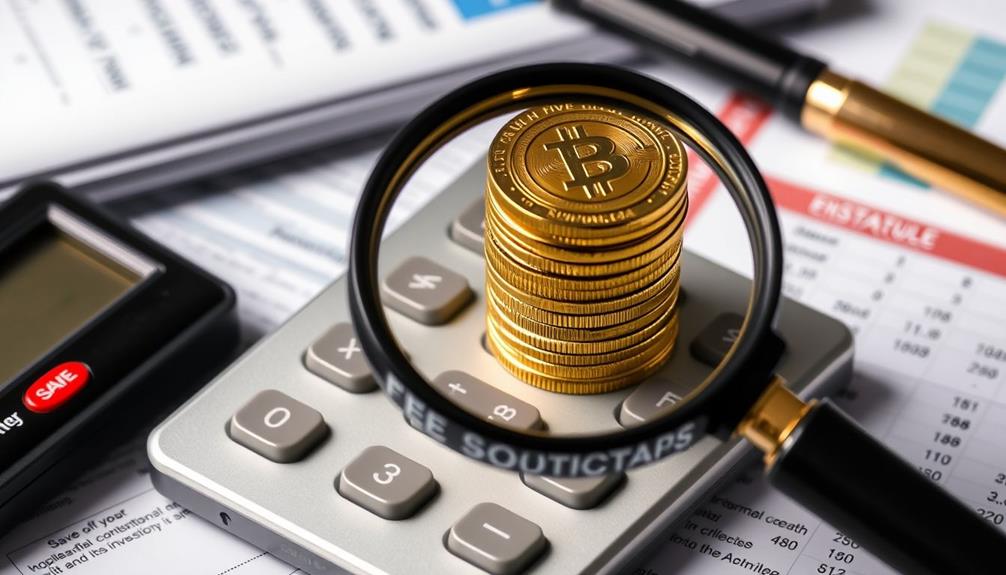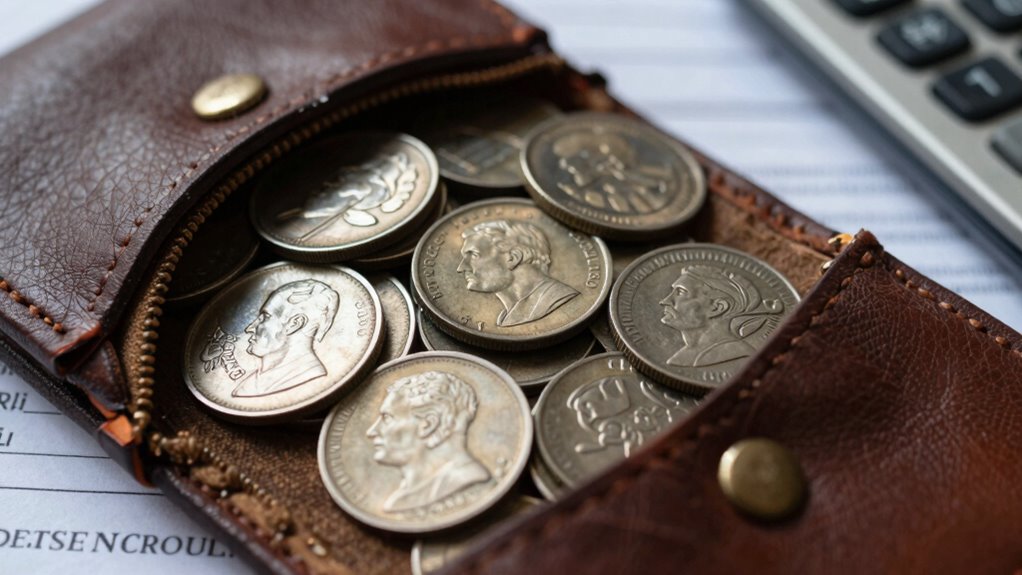

Investing in rare coins for your retirement account comes with hidden risks you need to know. Market volatility can cause sudden value drops, especially if you buy at a peak. Counterfeit coins are a serious threat, even for experts, and verifying authenticity adds costs. Limited market transparency and strict regulations make it hard to assess true value and guarantee compliance. If you want to uncover the full scope of these hidden risks, stay with us—there’s more to contemplate.

Get smart everyday buys delivered free with Prime
- Fast, free delivery on millions of items
- Prime Video, Amazon Music and more included
- Member-only deals all year
Key Takeaways
- Market volatility can cause sudden value fluctuations, risking retirement savings.
- Counterfeit coins are common, requiring costly authentication to verify authenticity.
- Limited transparency and regulatory restrictions complicate valuation and eligible coin selection.
- Logistical challenges include secure storage, finding reputable dealers, and tax compliance.
- Market opacity and regulation complexities increase risks of overpaying and legal penalties.
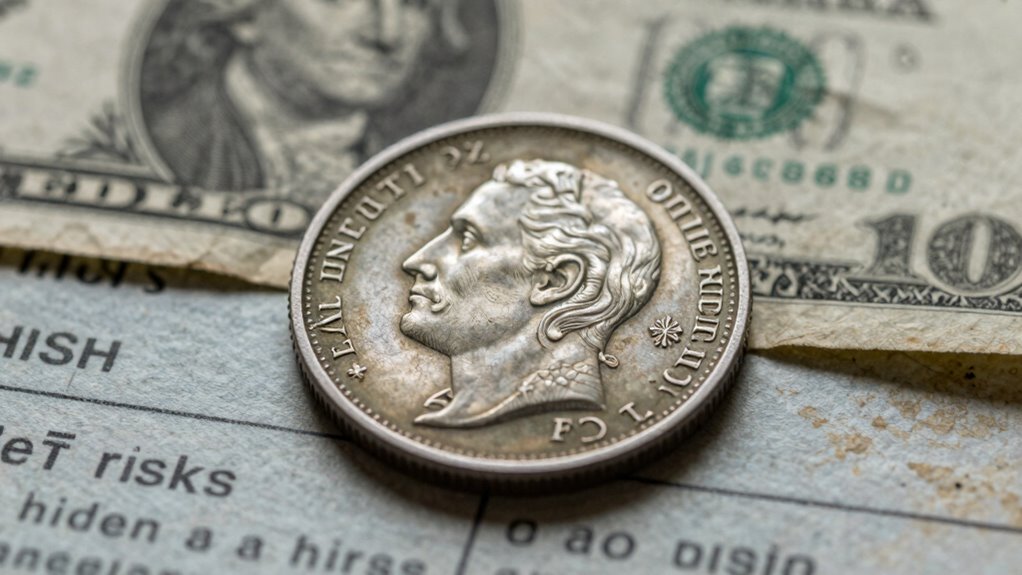
Buying rare coins might seem like a smart investment, but it’s important to be aware of hidden risks that could catch you off guard. One of the main challenges you’ll face is market volatility. Rare coin values can fluctuate unpredictably, often driven by changes in collector demand, economic shifts, or even global events. Unlike stocks or bonds, where fluctuations tend to follow broader trends, rare coins can experience sudden spikes or drops that make long-term planning difficult. If you’re counting on these coins for retirement, this volatility can jeopardize your financial goals. You might buy in at a high point, only to see the value plummet later, leaving your retirement savings vulnerable.
Rare coin values can fluctuate unpredictably, risking your retirement goals with sudden market swings.
Another significant concern is counterfeit issues. The market for rare coins is riddled with fakes, and even seasoned collectors can struggle to spot a convincing counterfeit. When you buy coins for your retirement account, the risk of unknowingly purchasing a fake can be costly. Not only does it diminish your investment’s value, but it can also complicate your tax reporting and legal ownership. Authenticity is paramount, yet verifying it often requires expertise and professional appraisals, adding to your overall costs. Without proper precautions, you could end up with a counterfeit coin, believing it’s a valuable piece, only to discover the truth too late. Market transparency is another factor that can influence your ability to make informed buying decisions. Additionally, regulatory restrictions may limit the types of coins you can include in your retirement account, further complicating your investment choices.
Furthermore, dealing with rare coins involves a series of logistical and legal hurdles. You’ll need to find reputable dealers, authenticate the coins, and ensure proper storage—each step presenting its own set of risks. The market’s opacity can make it difficult to determine fair prices, which means you could overpay or be undercut by less scrupulous sellers. Additionally, tax considerations come into play, especially if you’re using a retirement account like an IRA. Certain regulations restrict what types of coins qualify and how they must be stored, adding complexity to your investment process. Understanding the market dynamics can help you make more informed decisions and avoid costly mistakes. Being aware of market volatility and other hidden risks can also guide you in diversifying your investments and reducing potential losses. Moreover, compliance requirements and proper documentation are essential to avoid legal complications and penalties.
As an affiliate, we earn on qualifying purchases.
Frequently Asked Questions
What Legal Restrictions Exist for Using Rare Coins in Retirement Accounts?
You need to guarantee legal compliance with IRS regulations when using rare coins in your retirement account. The IRS restricts the types of coins allowed, requiring they be genuine, valuable, and meet specific standards. You can’t use collectibles that don’t qualify, and improper inclusion could lead to penalties or disqualification of your account. Always verify that your rare coins meet IRS criteria to stay within legal restrictions and protect your retirement investments.
How Can I Verify the Authenticity of Rare Coins Before Purchase?
To verify the authenticity of rare coins before purchase, you should start with authenticity verification by consulting reputable coin grading services like PCGS or NGC. These organizations assess grading standards and authenticate coins, providing certification that confirms their legitimacy. Additionally, examine the coin’s physical features, such as weight, color, and markings. Doing thorough research and seeking expert opinions can help guarantee you’re making a safe investment.
Are Rare Coins Eligible for Tax Advantages in Retirement Accounts?
Like uncovering hidden treasure beneath myths, you’ll find that rare coins can sometimes qualify for tax advantages in retirement accounts, but it’s complex. Collector myths often cloud judgment, and valuation techniques are vital to verify worth. Consult with a knowledgeable financial advisor to navigate IRS rules and guarantee your rare coin investments align with retirement account regulations, maximizing benefits while avoiding costly pitfalls.
What Are the Best Storage Options for Rare Coins in Retirement Plans?
You should prioritize secure storage options for your rare coins in retirement plans, ensuring both coin grading authenticity and storage security. A reputable, insured safe deposit box or a professional coin storage facility provides ideal protection against theft, damage, or loss. Avoid home safes that lack proper security features. Regularly review storage conditions and insurance coverage, so your valuable coins remain protected, maintaining their value and authenticity over time.
How Do Market Fluctuations Impact Rare Coin Investments?
Market fluctuations can profoundly impact your rare coin investments by causing value swings due to market volatility. These fluctuations may reduce your investment’s worth unexpectedly, making it harder to predict returns. To mitigate this risk, you should prioritize investment diversification, spreading your assets across different types to protect against sharp declines in any one market. Staying informed about market trends helps you make smarter decisions and safeguard your retirement savings.
As an affiliate, we earn on qualifying purchases.
Conclusion
Imagine investing in a rare coin only to find out it’s counterfeit or valued far less than expected. You could lose your hard-earned retirement savings in an instant. Always research thoroughly, verify authenticity, and consult experts before taking the plunge. Don’t let hidden risks catch you off guard—being cautious now can save your future. After all, a smart investor learns from others’ mistakes and protects their retirement with informed choices.
As an affiliate, we earn on qualifying purchases.
As an affiliate, we earn on qualifying purchases.
Fall Picks
fall essentials
As an affiliate, we earn on qualifying purchases.